




This post may contain affiliate links. Please read our disclosure and privacy policy for more information.
A squealing noise when you press the brake pedal is one of the most common brake complaints. Sometimes it is harmless, but it can also be an early warning that your brakes need service. The key is to notice when it happens and how it changes.
What This Problem Feels Like
Most drivers describe it as a high-pitched squeak or squeal that happens during light or moderate braking. It may be louder when you first start driving, then quiet down after a few stops.
You might notice it more with the windows down, next to a wall, or in a parking garage where sound echoes. In many cases, the car still stops normally and the brake pedal feels the same. That can make it tempting to ignore, but brake noises are worth paying attention to.
The squeal can show up in a few patterns:
- Only at low speed: Common in parking lots or stop-and-go traffic.
- Mostly in the morning or after rain: Often related to moisture or light rust on the rotors.
- All the time when braking: More likely worn pads, glazed surfaces, or hardware issues.
- Only with very light pedal pressure: Often pad vibration or a pad compound that is noisy.
Is It Safe to Drive?
It depends on what else is happening. A squeal by itself, with normal stopping power and no warning lights, is sometimes just noise. But brakes are a safety system, so it is smart to treat squealing as a prompt to inspect soon.
Usually okay for short trips if all of the following are true:
- The car stops straight and feels normal
- The brake pedal is firm and consistent
- No grinding sound
- No vibration in the steering wheel or pedal
- No brake warning light
Do not keep driving if squealing is accompanied by grinding, a soft pedal, pulling to one side, or a strong burning smell. In those cases, park it and get help. If you also notice a hot odor, it may overlap with an engine bay burning smell complaint, but brakes can create similar smells when they overheat.
Common Causes
These are listed from most common to less common. More than one can be present at the same time.
Brake pad wear indicators contacting the rotor
Many brake pads have a small metal tab designed to squeal when the pad material gets low. This is a built-in warning. It often starts as an occasional squeak, then becomes more consistent as the pads wear down further.
What it usually means: The pads are near the end of their life, but you may still have some pad material left.
Moisture, light surface rust, or overnight rotor film
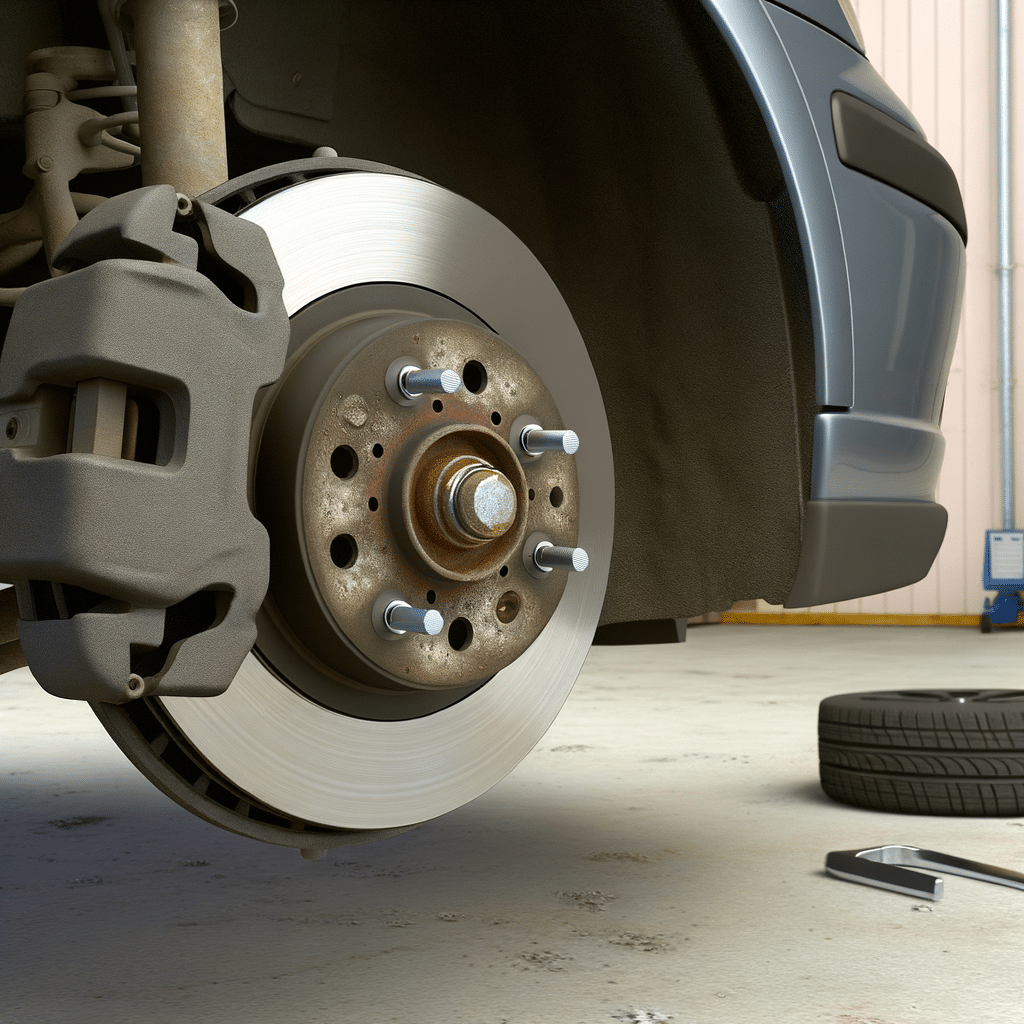
After rain, washing your car, or humid nights, a thin layer of rust can form on the rotor surface. The first few brake applications scrub it off, but during that time you can get squealing or squeaking.
What it usually means: Normal condition, especially if it goes away quickly and does not return once the brakes are dry.
Pad vibration from missing or worn hardware
Brake pads are held and guided by small clips, shims, and anti-rattle hardware. If these parts are missing, bent, corroded, or installed wrong, the pads can vibrate against the caliper bracket or rotor and create a squeal.
What it usually means: The brakes may still work, but noise control parts are not doing their job. This is common after a brake job that reused old hardware.
Glazed brake pads or rotors
Glazing happens when pads and rotors get hot and the surfaces become smooth and shiny. It can occur after repeated hard stops, long downhill braking, or riding the brakes. Glazed surfaces can squeal and may reduce braking bite.
What it usually means: The pads and/or rotors are not making clean, even friction contact.
Low-quality or very hard pad material
Some brake pads, especially harder compounds, are more likely to squeal. They can still stop the car fine, but they may be noisy, particularly when cold.
What it usually means: Noise related to pad formulation, not always a safety issue. A different pad type can help.
Rotors with grooves, scoring, or uneven surfaces
If the rotor surface is heavily grooved or uneven, pads can chatter and squeal as they pass over the damage. This can happen when pads wear too far, when debris gets caught, or when rotors are already worn.
What it usually means: The braking surfaces are worn and may need machining or replacement depending on thickness and condition.
Sticking caliper slide pins or caliper problems
Calipers need to move smoothly so the pads release evenly. If slide pins are dry or seized, one pad may drag. Dragging can overheat pads and cause squeal, glazing, or uneven wear.
What it usually means: A mechanical issue that can turn into overheating and faster brake wear if ignored.
Quick Checks You Can Do at Home
You can do a few basic checks without taking anything apart. If you are not comfortable, skip these and have a shop inspect the brakes.
Listen for patterns
- Does it happen only on the first stop of the day?
- Does it only happen in reverse, or only when turning?
- Does it get worse with gentle braking versus firm braking?
Pattern matters because it helps separate moisture noise from wear-indicator squeal or vibration issues.
Look through the wheel spokes at pad thickness
On many cars you can see the outer pad. You are looking for the friction material, not the metal backing plate. If the pad material looks very thin, it is time for service. If you cannot see the pads clearly, do not guess.
Check the rotor surface visually
With the car parked, look for heavy rust rings, deep grooves, or a rotor surface that looks badly scored. A little rust is normal, especially after rain. Deep grooves and rough surfaces are not.
Pay attention to any pull, vibration, or changes in pedal feel
Squeal plus vibration can point to rotor surface issues. Squeal plus pulling can point to uneven braking. If you feel something new, treat it as a higher priority.
Do a simple smell and heat check after a normal drive
After a short drive with normal braking, step out and smell near each wheel. A sharp hot or burning odor near one wheel can suggest a dragging brake. Do not touch the wheel or rotor. If one wheel area feels much hotter than the others, have it inspected soon.
When This Becomes Serious
Squealing gets serious when it is no longer just noise and starts pointing to reduced braking control or damage.
Have the car inspected right away if you notice:
- Squeal that turns into a grinding sound
- Longer stopping distances
- A brake pedal that feels soft, sinks, or changes suddenly
- Pulling to one side under braking
- Steering wheel shake while braking
- Smoke or a strong hot smell from a wheel
If the noise appears mainly while turning and you also hear scraping or rough sounds near one corner, it may be worth comparing symptoms with a front wheel grinding when turning situation. Do not assume it is the same problem, but the overlap can help you describe it clearly when booking service.
How a Mechanic Fixes It
A professional brake inspection focuses on the exact source of the squeal and the condition of the wear parts. High-level, a mechanic will:
- Measure brake pad thickness and inspect wear patterns
- Inspect rotor condition and measure rotor thickness and runout
- Check caliper operation, slide pin movement, and pad fit in the bracket
- Inspect shims, anti-rattle clips, and any missing or damaged hardware
- Look for glazing, contamination, or uneven contact
Common professional fixes include replacing worn pads, replacing or resurfacing rotors when appropriate, cleaning and lubricating slide pins with the correct brake-specific lubricant, and installing new hardware kits. If the squeal is pad-compound related, switching to a different pad type and using proper shims and hardware often reduces noise.
If the issue is a sticking caliper or seized slide pins, the shop may rebuild or replace affected parts so the pads apply and release evenly. This matters because dragging brakes can overheat and wear out quickly.
Common Mistakes to Avoid
- Ignoring wear-indicator squeal: If the squeal is constant and pad thickness is low, waiting can lead to metal-on-metal grinding and rotor damage.
- Spraying random lubricants on brakes: Oils, penetrants, and general sprays can contaminate pads and rotors and make braking worse.
- Assuming new brakes cannot squeal: Fresh pads can squeal if hardware is missing, surfaces are glazed, or the pad compound is noisy.
- Braking harder to “clean it off” repeatedly: A few normal stops to clear moisture is fine. Repeated hard stops can overheat and glaze brakes.
- Letting one noisy wheel go for months: If only one corner squeals consistently, it can point to uneven wear or a caliper issue that should be checked.
Related Problems to Watch For
Squealing when braking is its own symptom, but a few related changes can show up around the same time. Treat these as extra clues:
- Grinding noise: Often means the pads are worn through to the backing plate.
- Pulsation or shaking while braking: Can suggest uneven rotor surfaces or runout.
- Whistling at speed: Usually wind-related, not brakes, but if you are sorting multiple noises it helps to separate them. See Whistling noise at highway speed symptoms for comparison.
- Dimming headlights at idle with heavy electrical load: Not brake-related, but it can show up during stop-and-go driving. If you notice it separately, dimming headlights causes can help you describe it.
Final Thoughts
If your brakes squeal, start by noting when it happens and whether it goes away after a few stops. If it only happens after moisture and quickly disappears, it is often normal. If it is constant, getting louder, or paired with grinding, pulling, vibration, or a pedal change, have the brakes inspected soon.
Brakes wear slowly until they do not. Treat a steady squeal as an early warning, plan a check, and avoid long drives until you know the pads, rotors, and calipers are in good shape.


