




This post may contain affiliate links. Please read our disclosure and privacy policy for more information.
- From two wheels to four: Japan’s rules shaped Honda’s first cars
- The 1970s: Emissions, fuel crisis, and the Civic becoming a passport
- The 1980s: Refinement, global manufacturing, and a new performance language
- The 1990s: VTEC, the NSX, and Honda becoming a culture brand
- The late 1990s into the 2000s: Safety, emissions, and the tuning era going mainstream
- Hybrid era and a changing definition of “Honda Engineering”
- Honda in global culture: Why the early years still matter
- Related Resources
Honda’s place in global car culture did not start with a flashy sports car or a luxury badge. It began with a stubborn belief that small engines could solve real problems, and that reliability could become a kind of identity. The story moves from postwar workshops to racetracks, and then into the driveways of millions of first-time owners around the world.
In 1946, Japan was rebuilding, fuel was scarce, and everyday transport was a daily challenge. Soichiro Honda, an engineer with a background in piston rings and an instinct for practical solutions, began fitting small surplus engines to bicycles. The idea was simple: turn a bicycle into a motorized tool for commuting and delivery when resources were limited. In 1948, Honda Motor Co., Ltd. was officially founded, and the company quickly leaned into what it could do best: compact, efficient machines built for normal people, not status.
Through the early 1950s, Honda expanded from improvised motor-bicycles into purpose-built motorcycles. By 1958, the Super Cub arrived, and it mattered for more than just sales. The Cub helped define Honda’s design thinking: approachable, easy to use, and hard to break. That mindset later followed Honda into cars. While many automakers were selling aspiration, Honda was learning how to build trust at scale, one dependable engine at a time.
Racing entered the picture early, not as a marketing stunt but as a proving ground. Honda stepped into international motorcycle racing in the late 1950s and then into Formula One in 1964. The results were mixed at first, but the lesson stuck: performance and engineering discipline could share the same foundation. Even when Honda wasn’t winning, it was collecting data, improving metallurgy, and sharpening a culture obsessed with mechanical efficiency.
From two wheels to four: Japan’s rules shaped Honda’s first cars
Honda did not become a car company by simply deciding to copy what others were doing. In the early 1960s, Japan’s government policy favored established automakers, and new entrants faced pressure to prove they belonged. Honda responded the only way it knew: building something technically distinctive and aiming it at a market segment where ingenuity could beat size.
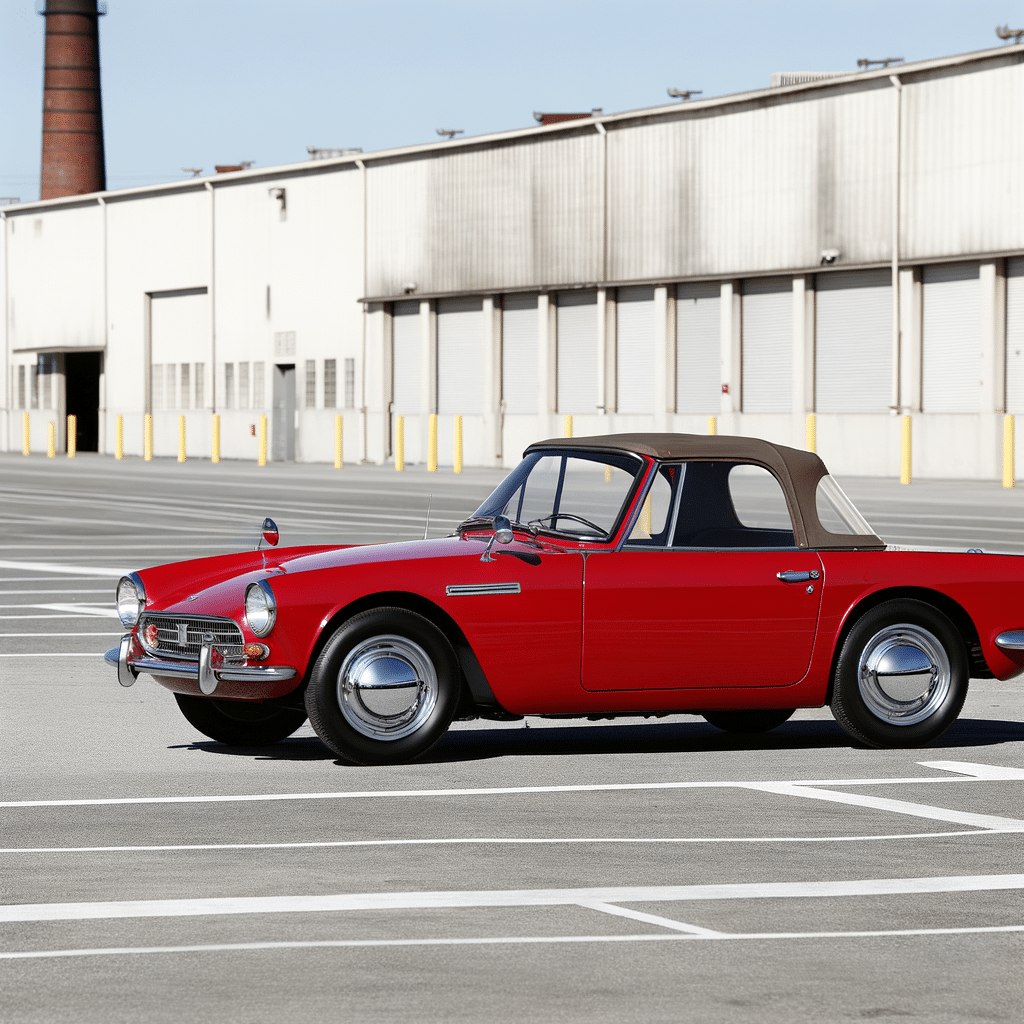
The early 1960s also saw Japan’s “kei” class regulations, which created a category for very small vehicles with tax and insurance benefits. This was a perfect place for Honda to enter because the constraints rewarded clever engineering. In 1963, Honda introduced the T360, a kei truck with a high-revving, small-displacement engine. In the same year, the S500 sports car arrived, showing another side of Honda: tiny engines that behaved like eager race motors. Those early cars were not global hits, but they were a statement. Honda was bringing a motorcycle company’s engine attitude into the car world.
By the late 1960s, Honda’s ambitions grew beyond Japan. It needed cars that could sell internationally, and it needed them to meet tightening emissions rules, especially in the United States. This pressure point would shape Honda’s reputation more than almost any styling trend ever could.
The 1970s: Emissions, fuel crisis, and the Civic becoming a passport
The early 1970s were turbulent for carmakers. Emissions regulations tightened, and the 1973 oil crisis made fuel economy suddenly feel like a national priority. Many manufacturers struggled to adapt, especially those dependent on large engines and heavy platforms. Honda saw an opening: small, efficient cars that were still pleasant to drive.
In 1972, the first-generation Civic launched. It was compact, light, and engineered with an almost stubborn focus on usable space. It landed at a moment when buyers were becoming wary of fuel costs, and it offered a different kind of confidence: you could run it daily, maintain it easily, and not feel punished at the pump.
Then came one of Honda’s most important technology moments. In 1973, Honda introduced the CVCC (Compound Vortex Controlled Combustion) engine concept to meet emissions standards without relying as heavily on catalytic converters compared with later common industry paths. CVCC helped Honda sell cars in the U.S. while many competitors were scrambling to make drivability and emissions coexist. This mattered culturally because it built Honda’s early American identity: the smart, efficient car brand that felt engineered rather than compromised.
The Civic quickly became more than transportation. For young buyers and first-time owners, it was a stepping stone into car ownership itself. It wasn’t about luxury. It was about freedom. That emotional role is easy to miss when people only talk about horsepower, but it is exactly how brands become part of culture.
In 1976, Honda expanded the idea with the Accord. The Accord gave buyers the same efficiency and reliability reputation but with more comfort and a more “grown-up” presence. Over the next decades, the Accord would become a benchmark in the family-sedan world, and it also helped normalize the idea that a Japanese car could be the default choice, not the alternative.
The 1980s: Refinement, global manufacturing, and a new performance language
By the 1980s, Honda was no longer just a clever outsider. It was a serious global manufacturer, and it began building cars in markets that used to only import them. Honda’s Marysville, Ohio plant began auto production in 1982, a major milestone in the company’s American story. Local production helped Honda respond to demand, reduce supply risks, and cement trust among buyers who wanted long-term parts and service support.
This decade also showed a widening of Honda’s personality. The company could do economy cars, but it also wanted to be recognized for engineering sophistication. Double-wishbone front suspension appeared in several models, signaling a focus on handling precision. Engines stayed relatively small, but they were refined and eager, with a willingness to rev that made everyday driving feel light and responsive.
In 1986, Honda launched Acura in North America, one of the first Japanese luxury brand moves into the U.S. market. The reasons were practical and cultural. Practically, Honda could sell higher-margin cars and challenge European prestige at a lower price point. Culturally, it was a statement that Japanese engineering could be premium too, not just economical.
Meanwhile, Honda’s performance image grew. The CRX became a symbol of light weight and efficiency mixed with fun, especially in Si form. For many drivers, it was the first car that made handling feel like a hobby rather than an accident. Around the same time, the Civic’s sportier trims started building the foundation for the tuner culture boom that would explode later. When talking about mod culture today, it helps to recognize why certain platforms become favorites: they are simple, light, and have an aftermarket that grows because so many people drive them. The Civic was becoming that kind of shared language.
The 1990s: VTEC, the NSX, and Honda becoming a culture brand
If Honda’s 1970s reputation was built on being sensible, the 1990s added something louder: pride. The company’s technology and motorsport thinking began to show up in ways that regular drivers could feel, not just engineers.
VTEC spread through Honda’s lineup during this era, turning the company’s love of high-revving power into a recognizable identity. The appeal was not just peak horsepower. It was the character change when the cam profile shifted, the sensation that the engine had a second personality. For a generation of enthusiasts, that sound and feel became part of growing up around cars.
In 1990, Honda released the NSX (sold as Acura NSX in some markets). It was a supercar developed with a level of real-world usability that challenged the idea that exotic performance had to be fragile or temperamental. It used an aluminum-intensive body structure, focused heavily on visibility and ergonomics, and aimed for precision rather than drama. Its impact went beyond sales numbers. It pushed competitors to take reliability and usability more seriously in high-performance categories, and it proved Honda could compete at the top without copying European styles.
At the same time, the 1990s were when Honda truly fused with youth culture. Civic and Integra models became common in street scenes, autocross, and the growing import performance community. People valued them because they could be daily transportation during the week and a project on the weekend. That dual life is part of why the brand still shows up so often in enthusiast spaces. The same conversations that now separate a Street build vs show car mindset were already happening informally in parking lots back then, even if people used different words.
Some details of local scenes varied by country, and not every trend can be pinned to a single year with clean documentation. Still, the broader direction is clear: Honda became a default platform for learning mechanical skills, because the cars were forgiving, parts were available, and the community grew large enough to pass knowledge around.
The late 1990s into the 2000s: Safety, emissions, and the tuning era going mainstream
As the late 1990s turned into the 2000s, Honda faced the same pressures as the rest of the industry: stricter safety standards, evolving emissions rules, and customer expectations for more comfort and technology. Cars generally gained weight and complexity. For enthusiasts, that sometimes felt like the end of the simple, lightweight era. For regular buyers, it often felt like progress.
The Civic continued through multiple generations, and the Accord remained a major player. Honda also broadened its lineup with minivans and SUVs, reflecting a market shift rather than a sudden change of heart. Buyers wanted higher seating positions and more cargo flexibility, and Honda followed that demand to stay competitive globally.
In enthusiast culture, the 2000s were also when Honda’s “project car” identity became mainstream. The aftermarket expanded, online forums shaped trends, and modifications became more standardized: intakes, exhausts, suspension, and shifters. Even today, certain basic upgrades remain popular because they change how a car feels without requiring a full rebuild. A well-chosen shifter, for example, is often about improving connection rather than chasing numbers, and many owners still enjoy an DIY short shifter install as an early hands-on step.
Not every modification improved long-term value, and as Hondas aged, owners started thinking about the tradeoff between personalization and future resale. The same questions show up across all brands, but Hondas are a perfect case study because so many of them were modified. It is why conversations about resale value after mods feel especially relevant in Honda circles.
Hybrid era and a changing definition of “Honda Engineering”
Honda experimented with hybrids early compared to many rivals. The original Insight debuted in the U.S. around the turn of the millennium, a lightweight, aerodynamic two-seater aimed at maximum fuel economy. It was not a mass-market car, but it showed a familiar Honda pattern: start with an extreme engineering answer, then refine toward mainstream needs later.
Over time, hybrid systems spread more broadly in the industry, and Honda’s approach evolved alongside customer expectations for normal-looking cars with better efficiency. The company’s engineering image shifted from purely mechanical cleverness, like high-revving naturally aspirated engines, toward system-level thinking: powertrain integration, emissions control, and software control strategies that most drivers would never see.
That transition was not unique to Honda, but it carried a cultural cost for some longtime fans. A brand that once felt defined by the sound and feel of an engine was now competing in a world where smoothness and efficiency mattered more than high-rpm excitement. At the same time, the shift helped Honda stay relevant to buyers who wanted lower fuel use without changing their daily habits.
Honda in global culture: Why the early years still matter
Honda’s rise is often described as if it were inevitable, but it was shaped by pressure. Postwar scarcity pushed the company toward small engines. Japanese regulations pushed it toward compact cars. American emissions laws forced it into creative combustion strategies. Fuel crises rewarded efficiency. Each challenge nudged Honda into decisions that later looked like strengths, even when they started as survival tactics.
That is also why Honda resonates across generations. Older enthusiasts remember the moment Japanese brands stopped being dismissed and started being copied. Millennials often remember Civics and Accords as the dependable family car that never quite died. Gen Z meets Honda in two places at once: as an affordable used car and as a cultural icon shaped by decades of street scenes, games, and social media clips of high-revving four-cylinders.
It also helps to place Honda’s story alongside its closest rival narratives. The way Toyota built a reputation through steady improvement and global scale followed a different rhythm, even if the destination looks similar from far away. Seeing that contrast can make Honda’s choices stand out more clearly, especially when comparing the Toyota history timeline to Honda’s more racing-tinged, engine-first identity.
Honda’s early history is ultimately a story of how a company turned constraints into character. It learned to treat efficiency as performance, reliability as pride, and engineering as something everyday people could feel. That combination is what carried Honda from a bicycle engine in the late 1940s to a lasting role in global car culture.


