




This post may contain affiliate links. Please read our disclosure and privacy policy for more information.
City driving is hard on a car. You deal with tight parking, short trips, stop-and-go traffic, potholes, and crowded streets. The best city-focused mods do not chase speed. They make the car easier to control, easier to park, safer in bad weather, and more comfortable every day.
What the modification or concept is
City driving car mods are changes that improve how a car works in urban conditions. These mods focus on visibility, braking, low-speed control, comfort, and small protection upgrades. Many are simple add-ons. Others are basic maintenance upgrades that make a bigger difference in traffic than flashy parts.
Good city mods usually have three traits:
- They help at low speeds and in tight spaces
- They improve safety and reduce driver stress
- They do not harm reliability or daily use
Why people do it
People modify a city car for practical reasons:
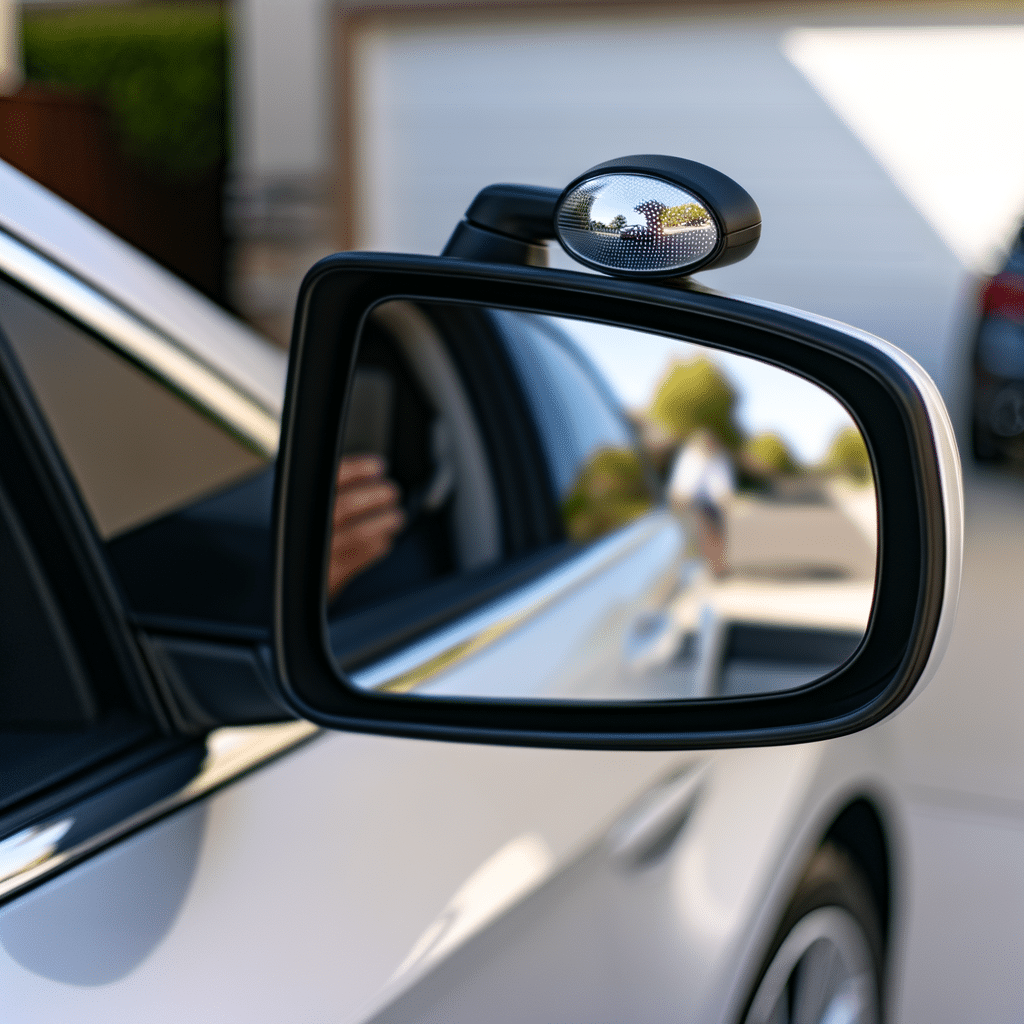
- Parking confidence: Better camera view, better lighting, clearer mirrors
- Safety in traffic: Better braking feel, better visibility, better traction in rain
- Comfort on short trips: Cleaner cabin air, less glare, better phone and navigation setup
- Protection: Small parts that reduce damage from curbs, door dings, and road debris
Many city-friendly mods also help long-term ownership. If resale matters, think about resale value after mods before making permanent changes.
Things to know before starting
Before buying parts, decide how the car is used. A daily commuter needs different priorities than a weekend project. If the car must start every morning, treat reliability as the main goal.
Start with your weak points
Write down what annoys you in the city. Common problems include hard parking, poor night visibility, brake feel in traffic, cabin noise, and phone mounting.
Do the basics first
Many “mods” are really smart upkeep. Fresh wiper blades, good brake pads, and correct tires often beat more complex upgrades. If you want a broader baseline, use a car modification guide mindset: function first, looks second.
Know what not to change for city use
- Very low suspension can scrape on ramps and speed bumps
- Very loud exhaust can attract attention and cause fatigue
- Big wheels with thin tires can worsen pothole damage
- Cheap LED bulbs in halogen housings can create glare and reduce real visibility
Set a simple rule for every mod
It should either improve safety, improve control, reduce stress, or protect the car. If it does none of these, skip it.
Step-by-step explanation
Use these steps to build a city-focused mod plan. You can stop after any step and still have a better daily driver.
1) Upgrade visibility first
- Replace old wiper blades. Streaky blades make night rain driving dangerous. A quick swap is one of the highest value city upgrades. If you want a simple process, Replace wiper blades at home is a good starting point.
- Restore clear glass. Clean the inside of the windshield and remove haze. Check that washer nozzles spray correctly.
- Improve reversing visibility. If your car has poor rear vision, add a backup camera or improve the one you have. A clean, wide-angle view helps in tight spots and around pedestrians.
2) Add parking help that matches your car
- Choose one main parking aid: backup camera, parking sensors, or wide-angle mirror add-ons.
- Place the display where your eyes already go. A screen that sits too low or too far right can distract you.
- Keep it simple. The goal is fewer bumps and less stress, not more menus and apps. If you want a clean install path, DIY backup cam install can help.
3) Improve braking feel for stop-and-go traffic
- Inspect pads and rotors. City driving eats brake pads fast. Replace parts that are near the wear limit.
- Use quality pads suited for street use. Track-focused pads can be noisy and need heat to work well.
- Check brake fluid condition. Old fluid can give a soft pedal, especially after repeated stops.
If you are new to brake work, follow a clear walkthrough like DIY brake pad replacement.
4) Pick tires for the city you actually drive in
Tires are the biggest “mod” for city safety. Choose based on weather and road conditions:
- Frequent rain: strong wet grip and water channeling
- Potholes and rough streets: slightly taller sidewall for impact comfort
- Cold winters: winter tires when temperatures stay low
Also check tire pressure often. Underinflated tires reduce response and increase damage risk on potholes.
5) Reduce low-speed stress inside the cabin
- Improve phone and navigation setup. A stable mount and a clean charging cable reduce distraction. If your car lacks modern phone integration, an add-on head unit or adapter can help.
- Add a dash cam for busy streets. In city traffic, a camera can help document incidents like bump-and-run or lane contact. A clean install matters for safety, so use a method like installing a dash cam at home.
- Fix touch points you use every day. If the steering wheel is worn or slippery, a cover can improve grip comfort in traffic. See Steering wheel cover installation for a simple approach.
6) Add small protection mods for city damage
- Door edge guards and handle cup protection: helps against chips from tight parking
- Trunk sill protector: reduces scratches from bags and strollers
- All-weather floor mats: easier cleanup from rain and street dirt
Keep protection parts subtle and easy to remove. Permanent changes can hurt car resale value with mods.
Common mistakes to avoid
- Chasing looks first. A city car benefits more from tires, brakes, and visibility than cosmetic parts.
- Going too low. Scraping on ramps, speed bumps, and steep driveways becomes a daily problem.
- Using the wrong lights. Poor bulb choices can create glare and reduce what you can see at night.
- Adding too many screens and alerts. More devices can mean more distraction. Keep the setup calm and simple.
- Ignoring maintenance while modding. No upgrade helps if the car has old pads, bad alignment, or worn tires. For a wider list of pitfalls, learn from Car modding mistakes to avoid.
Safety and legal considerations
City mods can change how safe the car is, and what is legal on the road. Keep these points in mind:
- Lighting laws vary. Headlight color, brightness, and beam pattern often have rules. Avoid glare that can blind other drivers.
- Windshield and window rules exist. Dark tint may be illegal on front windows in some areas and can reduce night visibility.
- Camera and display placement matters. Do not block the windshield or airbags with mounts, wires, or screens.
- Brake work must be correct. Torque wheels properly and bed pads the right way when needed. If braking feels wrong after changes, stop driving and recheck the work.
- Noise rules are real. Loud exhaust can lead to tickets and unwanted attention, especially in dense neighborhoods.
Final practical advice
For city driving, the best mod path is simple: start with visibility, then braking, then tires, then parking help, then cabin comfort. Add protection parts last. When you keep changes small and functional, the car stays easy to live with.
After each upgrade, drive for a week in your normal routes. If it reduces stress in traffic or makes parking easier, it is a good city mod. If it adds noise, distraction, or scraping, it is not a city mod, even if it looks good.


