


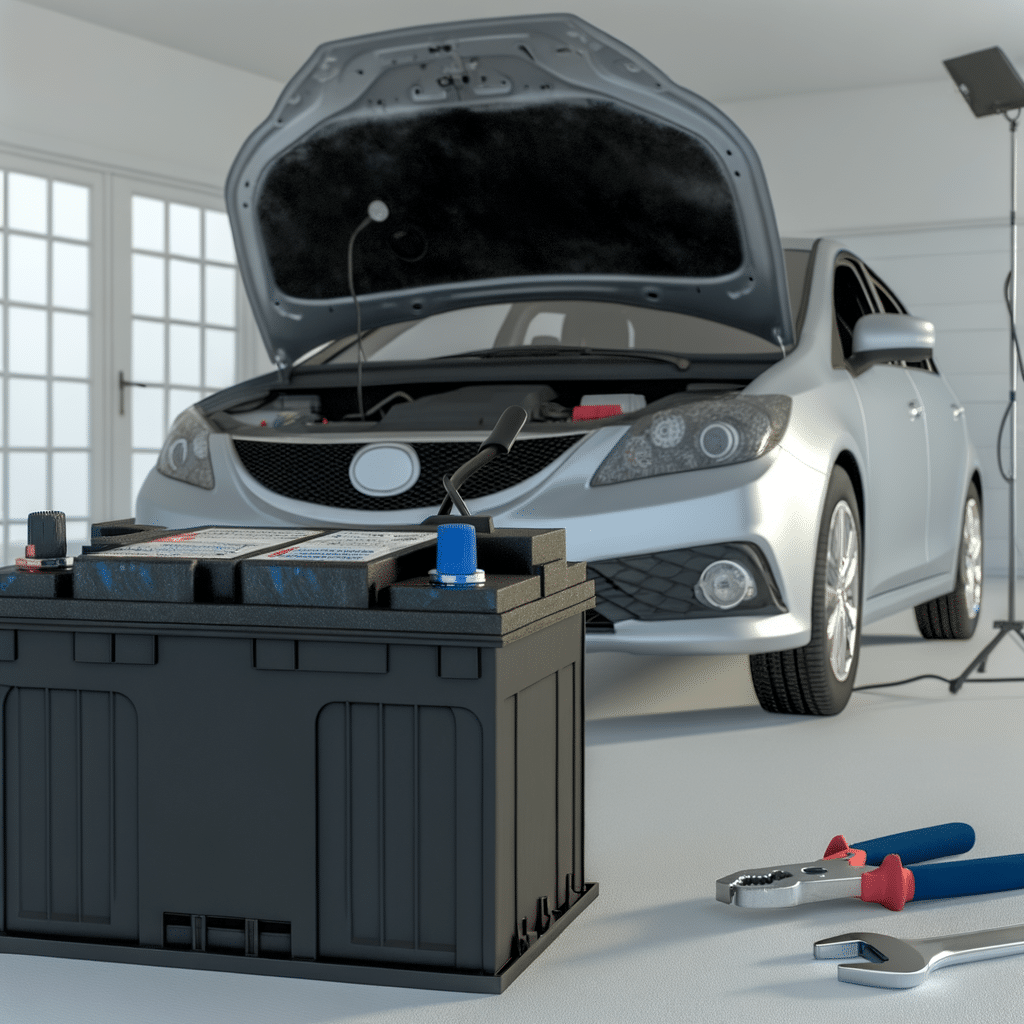
A car that starts fine one day and has a dead battery the next morning usually has one of two issues: The battery is weak, or something is draining it while the car sits. The good news is you can learn a lot from a few simple checks before you pay for parts you may not need.
What This Problem Feels Like
The most common sign is: You park the car overnight, and in the morning it will not start.
You may notice one of these when you turn the key or press the start button:
- One click, then nothing
- Rapid clicking from the starter area
- Dash lights come on but the engine will not crank
- Everything is dark, no lights and no sounds
Sometimes it starts with a jump, drives normally, and then dies again the next morning. That pattern strongly points to a battery that is not holding a charge or a slow electrical drain while parked.
Is It Safe to Drive?
If the car starts reliably after a jump and you can drive straight to a shop or parts store, that trip is usually low risk. But it is not something to ignore.
Driving is unsafe if: The engine stalls, warning lights are flashing, or the dash goes dim while driving. That can mean the charging system is not keeping the car running.
Also consider personal safety. A battery that dies without warning can leave you stranded in an unsafe location or in bad weather. If you have any doubt the car will restart, avoid shutting it off away from home until the problem is found.
Common Causes
Battery is old or weak
This is the most common cause. Most car batteries slowly lose capacity with age and heat exposure. A weak battery may still start the car during the day, then fail after sitting overnight because it cannot hold enough charge.
Why it happens: Internal plates wear out, sulfation builds up, or one cell starts to fail. Cold weather makes it worse because batteries deliver less power when cold.
Parasitic drain (something staying on)
A parasitic drain is an electrical draw that continues after the car is off. Modern cars always use a small amount of power for memory and security, but it should be very low. If a module stays awake or a light stays on, the battery can be drained overnight.
Common culprits include:
- Glove box, trunk, or cargo light not turning off
- Aftermarket accessories wired incorrectly (dash cam, stereo amp, remote start)
- A stuck relay that keeps a circuit powered
- A control module that does not go to sleep
Charging system not replacing the charge
If the alternator is weak, the car may run but the battery never gets fully recharged. After a normal drive, the battery can still be low. Then overnight it drops below starting power.
Why it happens: Alternator output can fade over time, the belt can slip, or wiring connections can have high resistance. This cause is less common than a worn battery, but it matters because the same symptoms can repeat even with a new battery.
Dirty or loose battery connections
Loose terminals or heavy corrosion can limit charging and starting current. That can make a battery look “dead” even when it has some charge left.
Why it happens: Battery fumes and moisture create corrosion. Terminals can also loosen after battery service.
Battery drain from user habits or short trips
If the car is driven only a few minutes at a time, the battery may not recover from starting. Add cold mornings, headlights, heater fan, and defroster, and it can fall behind.
Why it happens: Starting uses a lot of power. Short trips do not give the alternator enough time to refill what was used.
Temperature effects
Cold weather reduces battery power. Hot weather shortens battery life. A marginal battery may work in mild weather and fail when the temperature swings.
Quick Checks You Can Do at Home
These checks are safe and help you speak clearly with a mechanic. No special tools are required for the first few.
Look for obvious lights staying on
At night or in a dark garage, walk around the car after it is locked:
- Check the trunk area for a glow around the seams
- Look through the windows for interior lights
- Check the glove box light if you can view it safely
If a light is staying on, that alone can drain a battery overnight.
Check battery terminals for looseness and corrosion
With the engine off, gently try to move each battery cable by hand. They should not rotate on the posts.
Look for white or green crust on the terminals. Heavy corrosion can block current flow. Do not scrape aggressively with the battery connected. If you see major buildup, note it and have it cleaned properly.
Pay attention to how it cranks
A slow, struggling crank often points to a weak battery or poor connections. Rapid clicking often points to low voltage. One solid click may be low power or a starter issue, but with an overnight pattern, low battery voltage is still the usual reason.
Get the battery tested
Many parts stores can test the battery and charging output. Ask for a load test result, not just a voltage reading. Voltage alone can look normal for a weak battery.
If you have a basic voltmeter, a healthy fully charged battery is usually around 12.6 volts with the car off. Around 12.2 volts is already significantly discharged. Under about 12.0 volts often leads to no-start conditions. These numbers are general and vary slightly by battery type and temperature.
Think about recent changes
If the problem started right after an accessory was installed, that is a strong clue. Common examples are dash cams, phone chargers left plugged in, and audio equipment. Even a small drain can add up overnight if it does not shut off.
In general, anything wired to constant power instead of switched power can behave this way. If you recently added small items, like lighting or a new frame with wired lights, keep that in mind. A quick example is a License plate light install that was tied into a constant-power source by mistake.
When This Becomes Serious
This issue becomes more serious when the battery dies repeatedly, even after a full recharge or a longer drive. Repeated deep discharges can damage a battery quickly, even if it was recently replaced.
It is also serious if:
- You need a jump start more than once
- The car dies at stops or while driving
- You smell hot plastic or see smoke near the battery area
- The battery case looks swollen or cracked
A swollen battery or burning smell can point to overcharging, a short, or internal battery failure. Do not drive in that condition. Have it towed.
If you ever notice an engine bay burning smell at the same time as charging problems, treat it as urgent and stop driving until it is inspected.
How a Mechanic Fixes It
A shop will usually approach this in a clear order so parts are not guessed at.
Battery and charging system testing
They will test the battery’s health with a proper load test and check alternator output under different electrical loads. They may also check for voltage drop at the battery cables to find hidden resistance.
Parasitic draw testing
If the battery and alternator test good, the next step is a parasitic draw test. The technician measures how much current the car uses after it goes to sleep. Then they isolate the circuit by pulling fuses or checking modules until the draw drops to normal.
Once the circuit is found, the fix depends on the cause: A stuck relay, a faulty door switch, a trunk latch sensor, or an accessory wired incorrectly.
Connection and cable service
If terminals are corroded or cables are damaged, the shop will clean and tighten connections or replace cables as needed. This also helps the alternator charge the battery properly.
Battery replacement when needed
If the battery is near the end of its life or has been deeply discharged multiple times, replacement is often the correct fix. A new battery without fixing an actual drain will still die, so good shops confirm the reason first.
Common Mistakes to Avoid
- Replacing the battery without testing: A drain or weak alternator can kill a new battery quickly.
- Assuming a jump start “fixed it”: A jump only gets the car running. It does not solve the reason it went dead.
- Ignoring corrosion: Bad connections can mimic a dead battery and can also prevent proper charging.
- Leaving accessories plugged in: Some chargers and devices keep drawing power even when the car is off.
- Letting the car sit after repeated no-starts: A battery that stays low for days can sulfate and lose capacity fast.
Related Problems to Watch For
These are not separate diagnoses, but they can show up alongside an overnight battery drain:
- Dim headlights or dash lights that brighten and dim with engine speed
- Power windows moving slowly
- Needing to reset the clock and radio presets
- Intermittent electrical glitches after a jump start
If your driving is mostly short trips, the battery may never fully recover. If that sounds like your routine, basic habits like longer drives now and then can help. Small maintenance routines also matter over time, even ones as simple as the habits covered in daily car cleaning basics, since they can help you notice loose trim, water leaks near the trunk, or interior lights that stay on.
Final Thoughts
If your battery is dead by morning after sitting overnight, treat it as a battery health or battery drain problem until proven otherwise. Start with simple checks for lights staying on and dirty terminals, then get the battery and charging system tested. If tests look good but it still dies overnight, the next step is a parasitic draw test at a shop. Avoid getting stranded by only driving the car when you are confident it will restart, and do not keep jump-starting it day after day without finding the root cause.


