


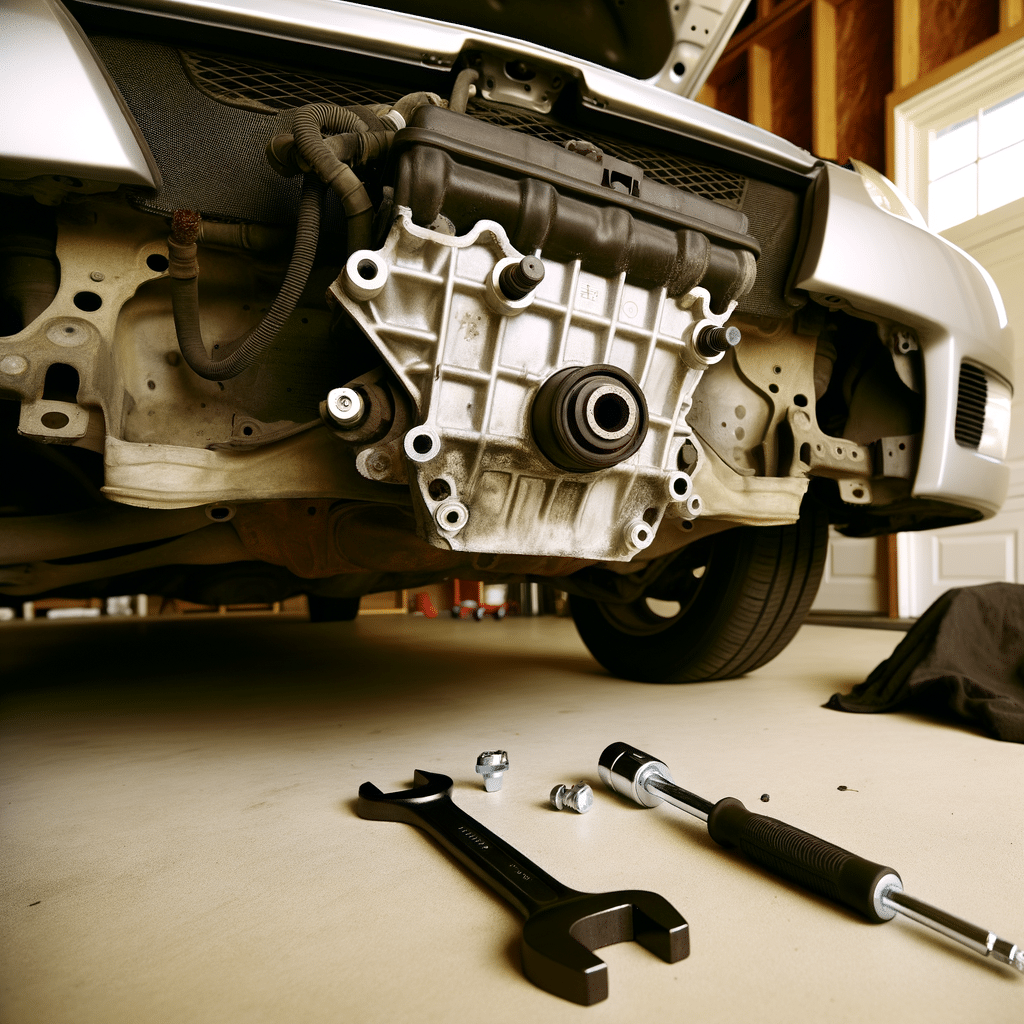
A jerk or lurch when shifting from 1st to 2nd can make a car feel rough and unpredictable. It is usually caused by a clutch, transmission, or engine control issue that shows up most during that first upshift. The good news is that a few simple checks can help you figure out how urgent it is.
What This Problem Feels Like
Most drivers describe it as a sudden bump right as the shift happens. The car may feel like it briefly loses power, then grabs hard. Some cars jerk more when cold and smooth out after a few minutes. Others do it all the time.
You may notice it happens more in these situations:
- Light throttle in city driving
- Going uphill from a stop
- When the engine is cold
- When shifting quickly from 1st to 2nd
Related signs that sometimes come with it (but are not always present) include a high or low idle, brief hesitation, a burning smell, or a clunk sound. If the jerk only happens during the 1st to 2nd shift and the rest of the gears feel normal, that points to a problem that shows up under the highest load and lowest speed.
Is It Safe to Drive?
Light jerking that is consistent and does not get worse quickly is often not an immediate safety risk. You can usually drive it for a short time while you schedule a diagnosis.
Driving becomes unsafe if the shift jerk is strong enough to break traction, pull you into an intersection, or make the car surge unexpectedly in traffic. It is also unsafe if you cannot predict when it will happen.
Do not keep driving if any of these are true:
- The jerk is violent or feels like the drivetrain is banging
- The transmission slips, flares in RPM, or will not go into 2nd
- The clutch pedal feel suddenly changes, or the car creeps with the clutch pressed (manual)
- A warning light is flashing, or the car goes into limp mode
- You smell hot clutch, burning fluid, or see fluid leaking
If you also notice a strong engine bay burning smell, treat it as urgent. Heat and slipping parts can quickly turn a drivability issue into a breakdown.
Common Causes
Worn or binding clutch components (manual transmission)
On a manual, the 1st to 2nd shift is where the clutch has to smooth out a big difference in speed. If the clutch disc is worn unevenly, the pressure plate is weak, or the disc is grabbing and releasing instead of sliding smoothly, you feel a jerk.
This can also happen if the clutch fork, release bearing, or pilot bearing is binding and not letting engagement happen smoothly. A clutch that engages very high or very low can make the 1st to 2nd transition harder to control.
Low, old, or wrong transmission fluid (automatic or manual)
Fluid condition matters most during low-gear shifts. In an automatic, old or low fluid can cause harsh or delayed shifts because the transmission cannot control hydraulic pressure smoothly. In a manual, old fluid can make the shift feel notchy and can make synchros struggle, which can contribute to a rough engagement.
Using the wrong type of fluid is also common after quick servicing. Some transmissions are very picky and will shift harshly if the spec is wrong.
Failing engine or transmission mounts
Mounts hold the drivetrain in place. When mounts tear or soften, the engine and transmission twist too far under load. The 1st to 2nd shift changes torque quickly, so bad mounts often show up as a lurch or bang right at that moment.
This is one of the most common causes of a “jerk” that feels like the car is being bumped from behind.
Automatic transmission shift control issues (solenoids, valve body, adaptation)
Modern automatics use solenoids and a valve body to time and control shifts. If a solenoid sticks or the valve body wears, the 1st to 2nd shift can become harsh. Some transmissions also “learn” driving habits. After a battery disconnect, a software update, or a repair, shift adaptation can be off for a while and cause rough early shifts.
When this is the cause, the issue is often very specific to one gear change, not every shift.
Throttle and engine control problems that show up during the shift
During an upshift, the engine torque should drop smoothly and then come back in. If airflow or fueling is not stable, torque can dip and then hit suddenly, which feels like a jerk.
Common sources include a dirty throttle body, vacuum leak, worn spark plugs, or a sensor reading that is slightly off. Sometimes the driver notices a separate issue like a brief stumble when pressing the pedal. If that is happening too, it may overlap with the same causes as car hesitates when accelerating.
Dual-clutch transmission behavior and wear (if equipped)
Some dual-clutch transmissions can feel abrupt at low speed, especially from 1st to 2nd in stop-and-go driving. If the clutch packs are worn or the control unit is struggling to manage engagement smoothly, the jerk becomes more noticeable and more frequent.
Quick Checks You Can Do at Home
These checks help you gather useful info without taking anything apart. Do them on a flat surface with the parking brake set.
Pay attention to when it happens
- Only when cold, or also when warm?
- Only with light throttle, or also with moderate throttle?
- Only uphill, or also on level ground?
- Only 1st to 2nd, or other shifts too?
This pattern helps separate a mount issue from a fluid or control issue. For example, mount problems often feel worse when you get on and off the throttle.
Basic transmission fluid observations (automatic)
If your car has a transmission dipstick and the manual allows checking it, look for low level or fluid that smells burnt. Some cars do not have a dipstick and require a specific procedure. If you are not sure, skip this and avoid guessing.
Any sign of a leak under the car near the transmission area is worth noting.
Simple mount check
With the hood open, watch the engine while a helper shifts from Park to Reverse to Drive with the brake firmly held (automatic). You are looking for excessive rocking or a clunk. A small movement is normal. A big jump or knocking sound is not.
For a manual, you can often spot torn rubber, collapsed mounts, or fluid leakage from hydraulic mounts during a visual check.
Manual clutch feel check
- Does the clutch pedal feel different than it used to?
- Does the engagement point feel very high or very close to the floor?
- Do you smell clutch after a few starts on a hill?
These signs support clutch wear or poor release. If your car uses a hydraulic clutch, check the brake/clutch fluid reservoir level if shared, but do not top off repeatedly without finding the reason it dropped.
Scan for codes if you have a reader
A basic scan tool can show transmission or engine codes that relate to shift timing, misfires, or throttle control. Even if the check engine light is off, stored codes can point a mechanic in the right direction.
When This Becomes Serious
A mild jerk that stays the same for months is annoying, but it may not be actively damaging. A jerk that gets worse over days or weeks is different. Worsening usually means wear, heat, or pressure control problems are progressing.
Take it seriously if you notice:
- RPM flare between 1st and 2nd (engine revs up, then gear catches)
- Delay, then a hard slam into 2nd
- New grinding or crunching on the 1st to 2nd shift (manual)
- Shuddering or vibration during the shift
- Fluid leaks, burning smell, or smoke
Also watch your temperature gauge. A drivetrain issue can sometimes be paired with cooling or load problems. If you ever see engine temperature rises at idle around the same time as worsening drivability, it is a reason to stop and get the car checked sooner.
How a Mechanic Fixes It
A shop will start by confirming the symptom on a test drive and noting if it is harsh, delayed, or slipping. Then they narrow it down based on whether the car is manual, automatic, CVT, or dual-clutch.
Common professional approaches
- Fluid and condition checks: Correct level, correct spec fluid, signs of contamination, and leak source.
- Scan and data review: Looking at shift commands, torque converter behavior (if applicable), misfire counts, throttle position, and transmission adaptation values.
- Mount inspection: Checking engine and transmission mounts for tearing, collapse, or excessive movement under load.
- Manual clutch diagnosis: Evaluating clutch engagement, release performance, and related parts like the slave cylinder or release bearing.
- Transmission control work: If needed, a relearn/adaptation reset, software update, solenoid testing, or valve body evaluation.
If the cause is internal wear in a transmission or clutch, the proper fix is replacement or rebuild of the worn parts. If it is control-related, repair may be focused on sensors, wiring, updates, or hydraulic control components. A good shop will tell you what they found and why it creates a 1st to 2nd jerk before recommending major work.
Common Mistakes to Avoid
- Ignoring fluid spec: The wrong transmission fluid can create harsh shifting and long-term damage.
- Replacing parts based only on a guess: Mounts, solenoids, and clutches can all cause similar feelings. Confirm the cause first.
- Driving harder to “burn it off”: Aggressive driving can increase heat and make slipping worse.
- Resetting the battery repeatedly: Clearing learned shift behavior without fixing the cause can make diagnosis harder.
- Overlooking basic engine tune issues: A misfire under load can show up right at the shift.
Related Problems to Watch For
These do not always appear, but they can help confirm you are dealing with the same root issue.
- Clunk when getting on and off the gas: Often points to mounts or drivetrain slack.
- Slipping feeling in 2nd gear: More common with automatic clutch packs or a failing manual clutch.
- Harsh shifts in other gears: More likely a fluid or transmission control problem than a single mechanical issue.
- Dimming lights during the shift: Not common, but electrical or charging issues can affect control systems. If you see it, note it for the shop and consider headlights dimming while driving as a separate symptom to track.
Final Thoughts
A jerk from 1st to 2nd is usually a sign that something is not smoothing out torque or shift timing the way it should. Start by noting when it happens, check for leaks and obvious mount damage, and avoid hard launches or aggressive shifts.
If the jerk is strong, getting worse, or paired with slipping, burning smells, or warning lights: Stop driving and book a professional diagnosis. Catching it early can prevent extra wear to the clutch or transmission and helps keep the car predictable in traffic.


