


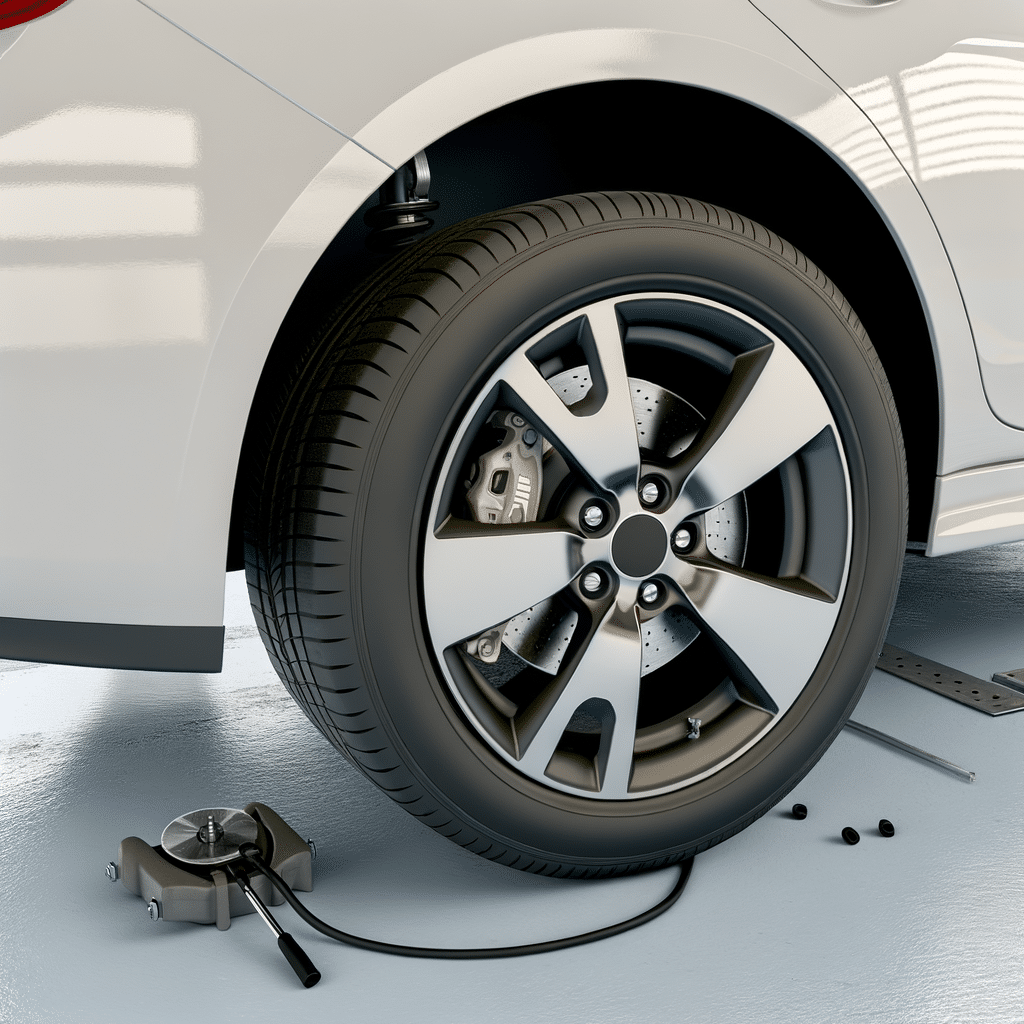
A car that pulls to the right while you are driving can be annoying at first, then quickly become a safety issue. Sometimes it is something simple like tire pressure. Other times it points to tire wear, alignment, or a brake or suspension problem that needs attention.
What This Problem Feels Like
You notice the steering wheel does not want to stay centered. On a straight, level road, the car slowly drifts right unless you keep light pressure on the wheel to hold it straight.
Some drivers also notice one or more of these signs:
- The steering wheel sits slightly off-center when driving straight
- The car pulls more during acceleration or more during braking
- You have to “fight” the wheel on the highway
- The right front tire looks more worn than the left
A small drift can be normal on roads that slope down to the right for water drainage. A true pull is when it keeps moving right even on a flat road, and especially if it does it quickly.
Is It Safe to Drive?
If the pull is mild and you have no other symptoms, you can usually drive a short distance to check tire pressures or get it inspected. Keep speeds moderate and leave extra space, because the car may not track straight in an emergency maneuver.
Do not keep driving if any of these are true:
- The steering wheel suddenly jerks right or the pull started all at once
- The car pulls much harder when braking
- You smell something hot or “burnt” near a wheel after driving
- One wheel is much hotter than the others
- The steering feels loose, clunky, or unstable
- A tire looks low, damaged, or has a bulge
Those signs can point to a brake dragging, a failing tire, or a suspension or steering issue. That is when it is safer to stop and have the car towed.
Common Causes
These are listed from most common to less common. More than one issue can happen at the same time, but start with the basics.
Uneven tire pressure
A low tire on one side can steer the car toward that side, and small differences matter. If the right front is low compared to the left front, the car often drifts or pulls right.
Why it happens: Slow leaks, temperature changes, or just not checking pressures regularly.
Tire pull from uneven wear or mismatched tires
Some tires “lead” the car left or right, especially if one front tire has different tread depth, internal belt wear, or a different model than the tire on the other side.
Why it happens: Irregular wear from missed rotations, worn suspension parts, or simply mixing tire types. If you want a simple routine that helps prevent this, tire rotation for beginners is a good habit to keep up with.
Wheel alignment out of spec
Alignment angles (toe, camber, caster) control how the tires meet the road. If settings are off, the car can pull right and may also wear tires quickly.
Why it happens: Potholes, curb hits, worn parts, or normal settling of suspension components over time.
Brake drag on one side
A sticking caliper, seized slide pins, or a collapsed brake hose can keep a brake partially applied. If the right front brake drags, it can pull right, and the pull often gets worse after a few minutes of driving as heat builds.
Why it happens: Corrosion, old brake hardware, worn caliper parts, or overheated brakes. If you also hear noise when braking, it may be related, and brake squeal causes and fixes can help you compare symptoms.
Worn or damaged suspension and steering parts
Loose ball joints, worn control arm bushings, a failing tie rod end, or a weak strut can let the wheel change angle as you drive. That can cause a steady pull, or a pull that changes over bumps.
Why it happens: Age, mileage, rough roads, and impacts.
Wheel or tire damage
A bent wheel or a tire with a shifted belt can make the car pull and may also cause vibration. This can show up after a pothole hit.
Why it happens: Road hazards, impacts, or a tire defect.
Road crown and wind
Many roads slope slightly to the right. A mild drift on those roads can be normal. Strong crosswinds can also push the car. This should be consistent with conditions, and the car should track straight on a flat parking lot or a level road.
Quick Checks You Can Do at Home
These checks are safe for most owners and do not involve taking anything apart. If you do not feel comfortable, it is fine to skip to a shop inspection.
Check tire pressure cold
Use a quality gauge when the tires are cold, then compare all four tires to the pressure listed on the driver door placard. Do not use the max pressure printed on the tire sidewall.
- If one tire is noticeably lower, correct it and re-test the pull
- If the same tire keeps losing pressure, you likely have a leak
Look at the tires closely
Turn the front wheels outward and inspect tread and sidewalls.
- Look for uneven wear on the inner or outer edges
- Look for a bulge, cut, or cord showing
- Check if the right and left front tires are the same brand and model
If you see a bulge or exposed cords, do not drive on that tire.
Do a simple “swap test” only if you already plan to rotate tires
If your tires are non-directional and the fronts are the same size, a shop can swap the front tires left-to-right to see if the pull changes direction. If the pull flips, it often points to a tire issue, not alignment.
Note: Many tires are directional or staggered in size. If you are unsure, do not swap them yourself.
Feel for brake heat after a short drive
After a normal drive with minimal braking, park safely and carefully feel near each wheel for unusual heat. Do not touch the brake rotor or wheel face directly, since it can burn you.
- If the right front area is much hotter than the left front, brake drag is possible
- If you smell burning, let the car cool and have it checked
Check for a steering wheel that is off-center
On a flat, straight road, see if the wheel sits centered when the car goes straight. An off-center wheel along with a pull often supports an alignment issue.
When This Becomes Serious
A pull to the right becomes urgent when it changes suddenly, gets worse quickly, or comes with brake, tire, or steering warning signs.
Take it seriously if you notice:
- The car darts right when you hit the brakes
- The steering wheel shakes and the car pulls at the same time
- You hear clunks over bumps and the car does not hold a straight line
- The pull becomes strong enough that you cannot comfortably keep the car in its lane
In those cases, the risk is not just tire wear. You could be dealing with brake overheating, rapid tire failure, or a steering or suspension part that is close to letting go.
How a Mechanic Fixes It
A professional will usually confirm the pull on a road test, then work from simple to deeper checks.
- Tire and wheel inspection: They check pressures, tread depth, tire condition, and wheel damage. They may rotate tires to see if the pull changes direction.
- Alignment check: They measure toe, camber, and caster and compare readings to spec. If everything is tight and in good shape, they correct the alignment.
- Brake inspection: They look for a sticking caliper, seized slide pins, uneven pad wear, a damaged hose, or a rotor that shows signs of overheating.
- Steering and suspension inspection: They check ball joints, tie rods, control arm bushings, struts, and wheel bearings for play or damage.
The actual fix depends on what fails the inspection. Sometimes the fix is as simple as correcting tire pressure or replacing a bad tire. Other times it involves replacing worn suspension parts first, then doing an alignment after.
Common Mistakes to Avoid
- Assuming it is “just alignment” every time: A dragging brake or a bad tire can feel similar, and alignment will not fix those.
- Setting tires to the sidewall max pressure: This can harm ride quality and handling. Use the door placard spec.
- Ignoring uneven tire wear: If you keep driving, you may ruin a tire quickly and make the pull worse.
- Mixing different tire types on the front: Different tread patterns and constructions can cause a pull even if pressures are correct.
- Chasing the pull with repeated alignments: If a suspension part is loose, the alignment will not “hold.”
If your car has aftermarket wheels or non-stock tire sizes, fitment problems can also change how it tracks. If you are comparing wheel and tire setups, Car wheel fitment explained can help you avoid combinations that cause handling headaches.
Related Problems to Watch For
Keep these in mind, but do not assume they are the cause.
- Vibration in the steering wheel: Often points to tire balance, tire damage, or a bent wheel. When combined with a pull, tire or wheel problems move higher on the list.
- Noise from one front wheel: Grinding or growling can suggest a bearing or brake issue. If you hear it mainly while turning, compare it to one front wheel grinding causes.
- Pull only while braking: More likely brake-related than alignment-related.
- Car feels unstable over bumps: Often suspension wear.
Final Thoughts
If your car pulls right, start with the easiest, safest checks: Tire pressure and tire condition. If pressures are correct and the pull stays, do not guess. Set up an inspection for tires, brakes, steering, suspension, and alignment.
If the pull is sudden, strong, or tied to braking, heat, or a burning smell: Stop driving and get help. Fixing it early is safer and usually prevents extra tire wear and brake damage.


