


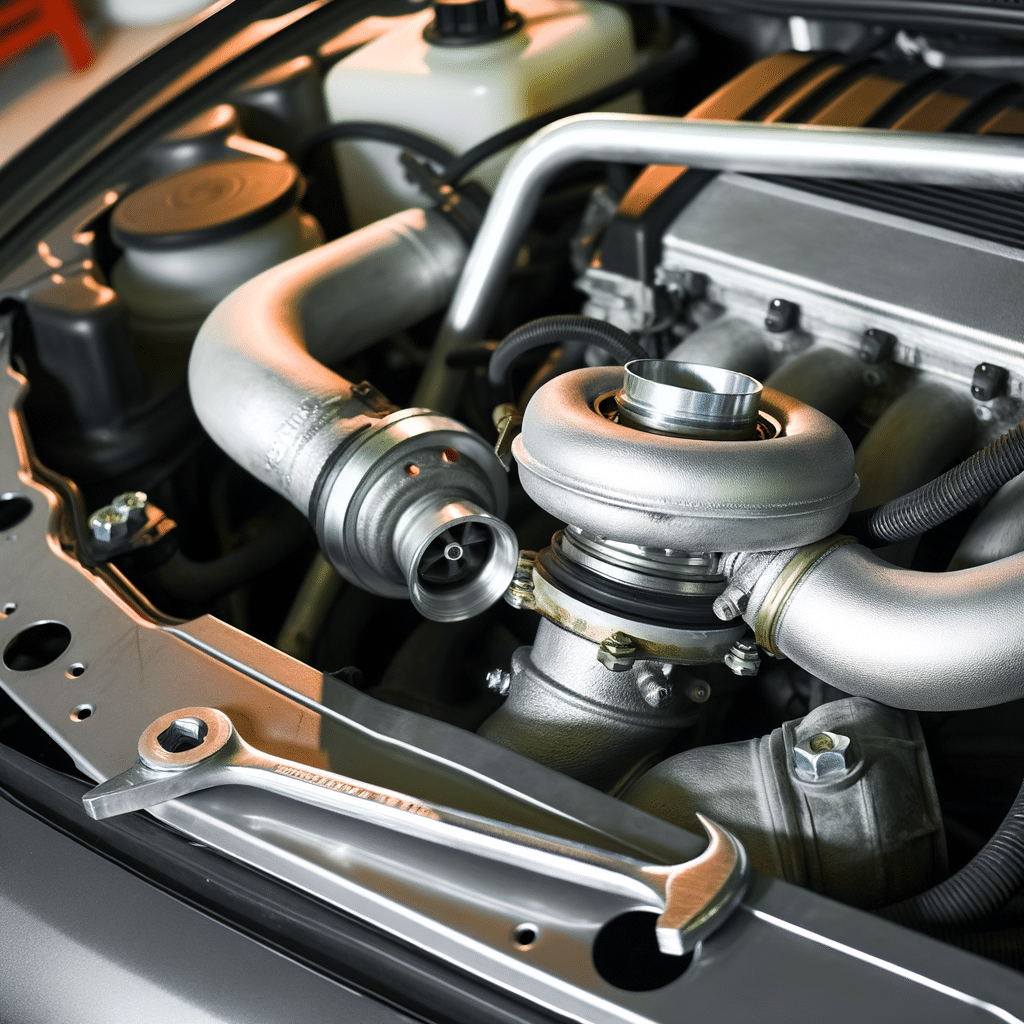
A whistle that shows up at highway speed only when you accelerate is usually air escaping or rushing through a small gap. It can be something simple like a loose intake boot, or something more serious like a boosted-air leak on a turbo engine. The key is to pay attention to when it happens and whether power feels normal.
What This Problem Feels Like
You usually notice a high-pitched whistle or squeal once you’re up to speed, often above 45 to 60 mph. It gets louder when you press the gas and may fade away when you hold steady speed or let off the throttle.
Many drivers describe it like wind noise, but it feels tied to the engine load because it changes with throttle. In some cars it shows up most during passing or climbing hills.
Other clues that can show up with the whistle:
- It’s louder with the windows up, like it’s coming from under the hood
- It starts only after the engine is warm
- It comes with a slight loss of power, especially on turbo cars
- It happens only in certain gears when accelerating hard
Is It Safe to Drive?
If the car drives normally, the whistle is new but mild, and there are no warning lights, it is often safe to drive short distances while you schedule a check. Keep acceleration light and avoid long high-speed runs until you know the cause.
Stop driving and have it checked soon if any of these show up:
- The car feels weak, struggles to build speed, or hesitates under throttle
- The check engine light comes on
- You smell burning rubber, hot plastic, or oil
- The whistle suddenly gets much louder or turns into a grinding sound
- The engine temperature starts climbing higher than normal
If the whistle is caused by a belt, a failing bearing, or a boost leak that gets worse, it can turn from “annoying” into “breakdown” with little warning at highway speed.
Common Causes
Small air leak in the intake system (very common)
When you accelerate, the engine pulls more air. If there’s a small gap or cracked rubber coupler in the intake tubing, it can whistle like a tiny flute. This is common after air filter service, aftermarket intake installs, or simply from aged rubber.
Why it happens: Intake boots and clamps loosen over time, and plastic resonators can crack. The leak may only “sing” when airflow is high, which is why you hear it at highway speed on throttle.
Vacuum leak on the engine (common)
Some vacuum leaks whistle most when the throttle is changing, especially during tip-in acceleration. A split vacuum hose, leaking PCV hose, or a gasket leak can create a sharp whistle.
Why it happens: Rubber hoses harden, small plastic lines get brittle, and PCV parts can clog and force air through places it shouldn’t.
Turbo or charge-air leak (common on turbocharged engines)
On turbo cars, a whistle during acceleration often points to pressurized air escaping on the way from the turbo to the engine. A loose clamp, split intercooler hose, cracked intercooler end tank, or leaking bypass valve can make a loud, clean whistle that rises with boost.
Why it happens: Boost pressure can push open weak hose connections. Oil mist inside hoses can also make couplers slip more easily.
If you also have power loss or delayed acceleration, that combination strongly fits this cause. A related symptom many drivers notice is car hesitates when accelerating.
Accessory belt slipping under load (moderately common)
A worn serpentine belt or weak belt tensioner can squeal or whistle, especially when the engine is loaded and RPM climbs. It can be more noticeable at highway acceleration because the engine is working harder.
Why it happens: The belt surface glazes with age, the tensioner spring weakens, or a pulley starts to drag. The sound can be high-pitched and may come and go.
Worn pulley or alternator bearing (less common, but important)
A failing bearing in an idler pulley, tensioner pulley, alternator, or another accessory can whistle at certain speeds. Sometimes the sound is smooth at first, then becomes rough or changes into a growl over time.
Why it happens: Bearings lose grease, seals fail, and heat cycles wear them out.
Exhaust leak near the engine (less common)
A small exhaust leak at the manifold, gasket, or flex pipe can whistle during acceleration. The noise is often sharper under load and may sound like a chirp or hiss.
Why it happens: Exhaust parts expand and contract with heat. Cracks and gasket failures can open up more when hot and under load.
Quick Checks You Can Do at Home
These checks are meant to be simple and low risk. Do them with the engine off and cool unless stated otherwise. Avoid putting hands near belts, fans, or hot parts.
Confirm it is tied to throttle, not just speed
On a safe road, hold a steady speed where the whistle usually happens. Then lightly press and release the gas without changing lanes or speed much. If the sound closely follows throttle input, you are likely dealing with an air leak, turbo leak, or belt issue.
Look for loose clamps and shifted hoses
With the hood open and the engine off, inspect the intake tube from the air box to the engine. Look for:
- Loose worm clamps
- Hoses not fully seated
- Cracks in rubber elbows
- Broken plastic nipples where small hoses connect
Also check any visible intercooler piping if your car is turbocharged.
Listen for a hiss after a hard drive
After a short drive, park, shut the engine off, and listen near the front of the car. A boost leak or intake leak sometimes leaves a faint hiss for a moment as pressure bleeds down.
Check the belt area without touching moving parts
With the engine idling, listen from a safe distance. A belt/pulley issue often makes noise at idle too, even if it is quieter than at highway speed. If you hear chirping, squealing, or a rhythmic whistle near the belt drive, that points away from intake leaks.
Look for obvious signs of rubbing or a missing undertray fastener
A loose splash shield or undertray can act like a reed at highway air speeds and may change tone when you accelerate due to airflow changes. This usually sounds more like wind, but it can be surprisingly high-pitched.
If you do find loose plastic under the car, secure it properly. Do not use temporary fixes that can fall off and become road debris.
When This Becomes Serious
A whistle on acceleration becomes a higher priority when it is paired with performance changes or warning signs.
- Power drop on a turbo engine: A charge-air leak can make the engine run rich or trigger limp mode. It can also overspeed the turbo as it tries to reach target boost.
- Whistle turns into a squeal or grinding: This can mean a pulley bearing is failing. If a pulley locks up, it can throw the belt and you can lose charging and cooling support.
- Burning smell: A slipping belt can overheat. A hot, rubbery smell from the engine bay should not be ignored. If you notice an engine bay burning smell at the same time, park and let the car cool before checking anything.
- Warning lights or dim electrical power: If the alternator is involved, you may also notice headlights dimming while driving, especially with the whistle changing with RPM.
How a Mechanic Fixes It
A shop will usually start by confirming the sound under the same conditions you described: Highway load, steady cruise, and acceleration. Then they narrow it down by location and pressure changes.
For intake or vacuum leaks
Common professional steps include checking clamp torque, inspecting boots for hidden cracks, and using a smoke test to find small leaks that are hard to see. The fix is usually replacing a damaged hose, boot, gasket, or PCV-related part, then verifying fuel trims and driveability.
For turbo and charge-air leaks
They may pressure-test the charge system, inspect intercooler hoses and clamps, and check the bypass or diverter valve operation. Repairs often involve replacing a split hose, reseating a coupler, replacing weak clamps, or fixing a cracked intercooler end tank.
For belt, pulley, or accessory bearing noise
The tech may use a listening tool to pinpoint the noisy bearing and inspect belt condition, tensioner operation, and pulley alignment. The fix is typically a new belt, tensioner, and/or the failing pulley or accessory as needed.
For exhaust leaks
They will check for soot marks, loose fasteners, and cracks, sometimes using smoke or a stethoscope-like tool. Repairs may include replacing a gasket, tightening hardware, or replacing a cracked section.
Common Mistakes to Avoid
- Chasing “wind noise” first: If the whistle changes with throttle, start under the hood before blaming door seals or mirrors.
- Spraying flammable cleaners around a running engine: Do not spray anything near hot exhaust parts or ignition sources to hunt for leaks.
- Over-tightening clamps: Cranking down on intake clamps can crack plastic parts or deform rubber couplers, making the leak worse.
- Ignoring a new belt noise: A whistle that is really a belt or bearing can progress fast.
- Assuming it is normal turbo sound: Some turbos have a light whistle, but a new, sharp whistle that wasn’t there before should be checked.
Related Problems to Watch For
Keep an eye out for changes that point to the same root issue:
- Hesitation or surging on throttle: Often tied to an intake or boost leak.
- Check engine light after hard acceleration: Can happen when airflow readings do not match expected values.
- Soft or inconsistent shifting feel during acceleration: Not caused by the whistle itself, but sudden power changes can make shifts feel odd. If you notice it, see shifting jerks causes and fixes.
- Overheating signs: If a belt issue leads to cooling problems, you may notice the temperature creeping up, sometimes more in traffic than on the highway. One example is engine temperature rises at idle.
Final Thoughts
A whistle at highway speed when accelerating is most often an air leak or a belt-driven noise that only shows up under load. Start by confirming the sound follows the gas pedal, then do a careful visual check of intake hoses, clamps, and anything loose under the front of the car.
If the car loses power, the whistle gets louder fast, you smell something burning, or warning lights appear, limit driving and book a professional diagnosis. Catching this early usually prevents bigger problems like a thrown belt, a damaged hose, or a turbo system leak that gets worse.


