


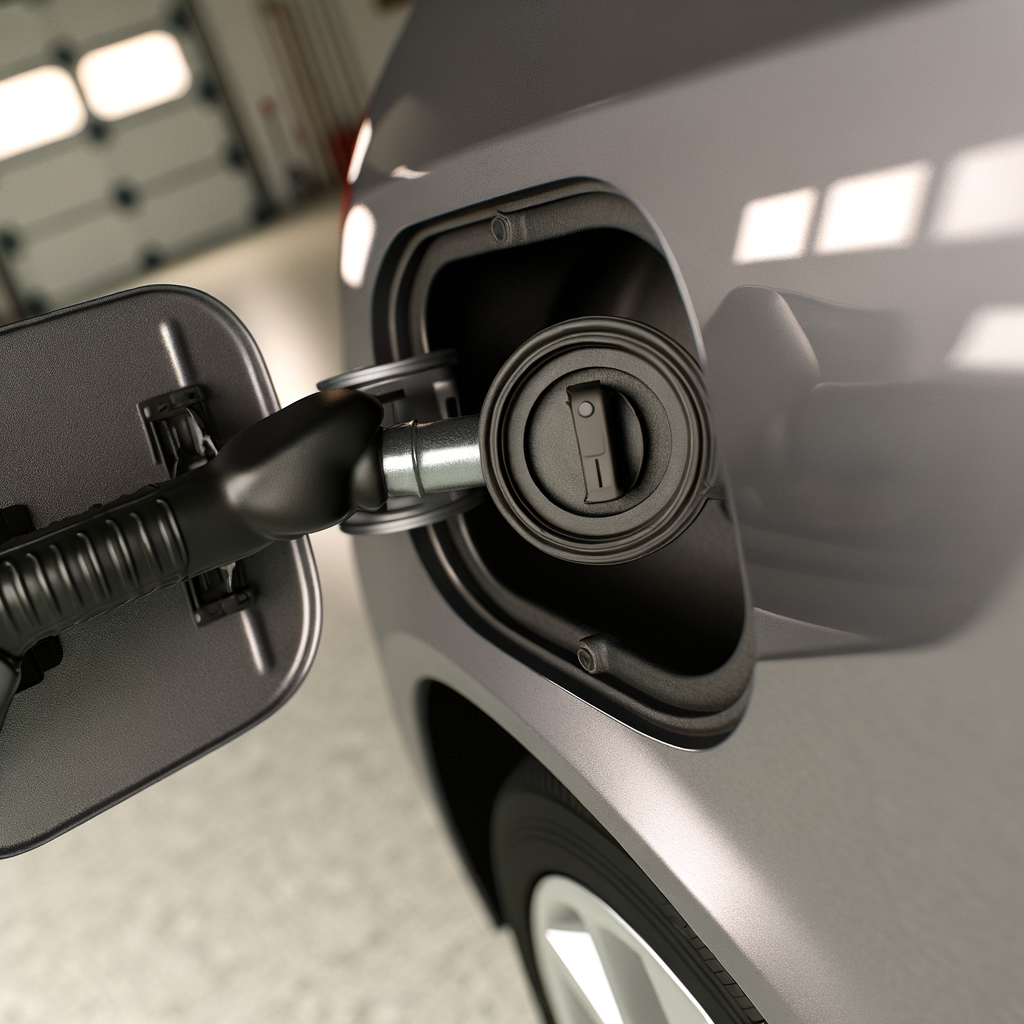
A check engine light that comes on while the car still feels normal is common. The engine computer has seen something it does not like, but the problem is often small or happening only some of the time. The goal is to figure out whether it is a simple issue you can address quickly or something that needs attention before it turns into a breakdown.
What This Problem Feels Like
Most drivers notice the check engine light during a normal drive with no obvious change in how the car runs. The engine starts fine, idles smoothly, accelerates normally, and fuel economy might seem the same.
You may also notice one or two minor changes that are easy to miss:
- A slight fuel smell after parking
- A small drop in miles per gallon
- An occasional longer crank before starting
- A light hesitation once in a while
Many times, there are no other symptoms at all. That is why the light gets ignored. Still, the light means a fault code is stored, and that code matters even if the car feels fine today.
Is It Safe to Drive?
It depends on what the light is doing.
If the check engine light is solid (not flashing): It is often safe to drive short distances, especially if the car feels normal. Still, you should treat it as time-sensitive, not optional. A small issue can slowly damage the catalytic converter or cause you to fail an emissions test.
If the check engine light is flashing: Stop driving as soon as you safely can. A flashing light usually points to an active misfire that can overheat and ruin the catalytic converter quickly. Continued driving can turn a manageable repair into a major one.
If the car runs rough, smells strongly of fuel, loses power, or stalls: Do not keep driving just because the light is not flashing. Pull over somewhere safe and arrange help.
Common Causes
These are the most common reasons the light comes on while the car still seems to run fine, listed from most common to less common.
Loose or failing gas cap (EVAP leak)
This is one of the most frequent causes. The fuel system is sealed, and the car checks for vapor leaks. A loose cap, damaged cap seal, or a cap that does not click tight can trigger an EVAP leak code. The car can drive perfectly because the leak is just fuel vapor escaping, not fuel delivery failing.
If you recently fueled up right before the light came on, this jumps higher on the list. If you need a replacement, a simple option is DIY fuel cap replacement.
Small EVAP system leak not related to the cap
Even with a good cap, cracked EVAP hoses, a leaking purge valve, a vent valve issue, or a weak charcoal canister can set the light. These problems often do not change how the engine runs. Many EVAP tests run only under certain conditions, so the light may appear after a day or two of driving, not right when the leak starts.
Oxygen sensor aging or slow response
Oxygen sensors help the engine computer adjust fueling. When a sensor gets slow or biased, the computer may still keep the engine running well, but it loses accuracy. That can trigger a code with only a slight change in fuel economy. If ignored, it can contribute to catalytic converter strain over time.
Mass airflow (MAF) sensor contamination
The MAF sensor measures incoming air. Dirt, oil residue, or dust can change its readings. The engine computer can often compensate enough that you do not feel it. You might only notice a small hesitation or a slightly “off” throttle response.
This is more common if an oiled aftermarket air filter is used, or if the air filter box has been disturbed. If the car has been modified, keep expectations realistic about how changes affect drivability. The idea behind realistic expectations for car mods applies here too.
Minor misfire beginning (spark plug or coil starting to fail)
A misfire is not always dramatic. Early on, a plug can be worn or a coil can be weak only under certain loads. The car may feel fine most of the time. The engine computer notices the misfire counts and turns on the light. This can become serious if it progresses, especially if the light starts flashing.
Thermostat or coolant temperature sensor issues
If the engine runs cooler than expected because of a thermostat stuck open, or if the temperature reading is unreliable, the computer may set a code. The car can still drive normally, but fuel economy can suffer and emissions rise. Some drivers notice the temperature gauge sitting lower than usual.
Catalytic converter efficiency code (early stage)
Sometimes the light is for catalytic converter efficiency. In early stages, the car can feel normal. The causes behind that code are not always the converter itself. It can also be related to oxygen sensor data or long-term fueling problems. If you keep driving for months without addressing it, you may end up with a real converter failure.
Quick Checks You Can Do at Home
You can do a few safe checks without tools that might help narrow things down. Do not clear codes just to turn the light off. The stored code is your best clue.
- Look at the light behavior: Solid vs flashing matters. Flashing means stop driving and get help.
- Tighten the gas cap: Turn it until it clicks. If the seal is cracked or the cap feels loose, replace it.
- Check for obvious intake issues: With the engine off, confirm the air filter box is closed and the intake tube is not torn or disconnected.
- Listen and sniff briefly after parking: A strong raw fuel smell is not normal. If you smell fuel strongly, avoid parking in an attached garage and have the car checked soon.
- Use a basic code reader if you have one: Reading the code is safe. Write down the exact code and description, even if the light later goes off by itself.
If your car also has weird idle behavior along with the light, that points more toward an air, fuel, or misfire issue. A separate symptom like RPM fluctuates at idle is worth taking seriously, but do not assume that is happening unless you actually see the tach moving or feel the engine surge.
When This Becomes Serious
A “runs fine” check engine light becomes serious when warning signs show up or when the stored problem can damage expensive parts.
Take it seriously right away if any of these happen:
- The light starts flashing at any time
- The engine shakes, stumbles, or feels weak under load
- You smell raw fuel or see black smoke
- The car stalls, especially in traffic
- The temperature gauge runs hotter than normal
A solid light that stays on for weeks also matters even if the car feels fine. Some faults slowly increase emissions and can overheat the catalytic converter. Others point to a misfire that is still mild today but can become severe without warning.
How a Mechanic Fixes It
A professional diagnosis starts with pulling the codes and looking at freeze-frame data. That data shows what the engine was doing when the code set, like coolant temperature, fuel trims, and engine load. That is often the difference between guessing and fixing.
From there, the mechanic matches the code to a test plan. High-level examples of what may happen:
- EVAP codes: The shop may pressure test or smoke test the EVAP system to find small leaks, then replace the leaking hose, valve, or cap.
- Oxygen sensor and fuel trim codes: The mechanic checks sensor readings, exhaust leaks, and fuel trim data to tell whether the sensor is lying or reporting a real mixture problem.
- Misfire codes: The shop identifies which cylinder is misfiring, checks plugs and coils, and may swap components to confirm the fault before replacing parts.
- MAF-related codes: The mechanic checks for intake leaks, verifies MAF readings, and addresses contamination or a failing sensor.
After the repair, the code is cleared and the car is road-tested. Some monitors need time and certain drive conditions to rerun, especially EVAP. That is normal.
Common Mistakes to Avoid
- Ignoring a flashing light: This is the big one. It can quickly lead to catalytic converter damage.
- Replacing parts based only on a code description: A code is a clue, not a guarantee. For example, an oxygen sensor code can be caused by an exhaust leak or mixture issue.
- Clearing the code before writing it down: You lose valuable information that makes diagnosis faster and more accurate.
- Over-tightening the gas cap: Tight is good, but forcing it can damage the seal or cap mechanism.
- Assuming it is “just emissions”: Some emissions-related faults are harmless short-term, but others point to misfires or fueling issues that can become expensive.
Related Problems to Watch For
These issues can show up later if the cause behind the light gets worse. Mention them to a mechanic if they start happening.
- Rough idle or shaking at stops: This can pair with early misfires. If it appears, compare it to the symptoms in car vibrates at idle.
- Stalling when coming to a stop: This may happen if a misfire, idle control, or purge valve issue progresses. See how it behaves relative to car stalls when slowing.
- Hard starting after refueling: This can point toward an EVAP purge valve problem that can also trigger a check engine light.
Final Thoughts
If the check engine light is on but the car runs fine, treat it as a warning you can plan around, not a message to ignore. First: Check whether the light is flashing. If it is, stop driving and get the car looked at. If it is solid and the car feels normal, tighten the gas cap, look for obvious intake issues, and get the code read soon. Then fix the cause, not just the light, so a small fault does not turn into a bigger one.


