


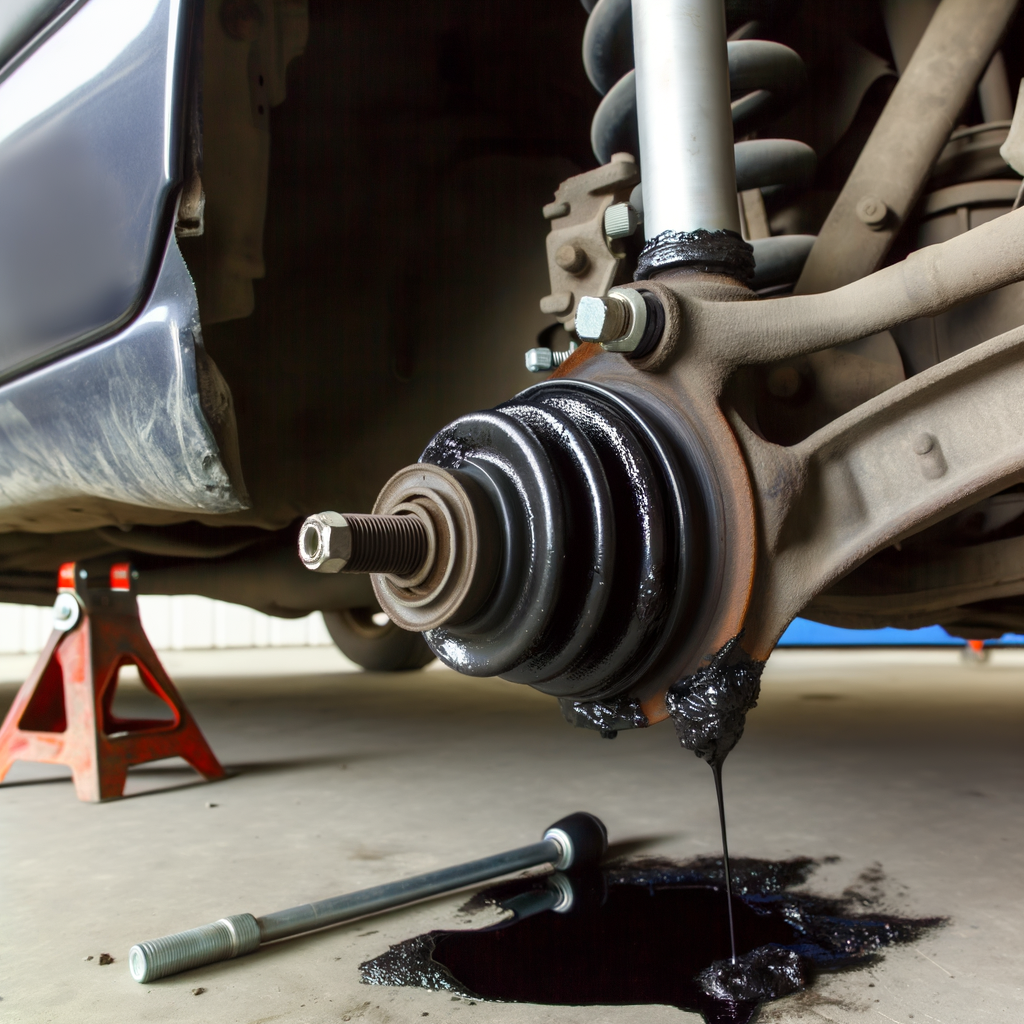
A clicking noise when you turn the steering wheel at low speed usually points to a part in the steering or front suspension that has play, is dry, or is starting to wear. Because steering parts affect control of the car, it is worth taking the sound seriously even if the car still drives “fine.”
What This Problem Feels Like
Most drivers notice a steady click-click-click as they turn into a parking space, back out of a driveway, or make a tight U-turn. The sound is usually louder with the window down or when driving next to a wall that reflects noise.
You may notice the clicking more when the steering is near full lock (turned close to the limit). It can happen turning left, right, or both, depending on what is wearing.
In many cases, the steering still feels normal. In others, you might feel a light vibration in the wheel, a small “notch” as you turn, or a slight clunk mixed in with the clicks.
Is It Safe to Drive?
Sometimes it is safe to drive short distances at low speed, but you should treat it as a warning sign. Clicking is often an early symptom of a part that is loosening up. If that part fails, you can lose steering control or damage other components.
It is usually safer to drive to a shop than to keep using the car for days or weeks. Avoid hard turns, avoid potholes, and keep speeds moderate until it is checked.
Do not drive if the clicking is suddenly much louder than normal, if the steering feels like it binds or sticks, or if the wheel is not returning smoothly after a turn. Those signs can mean a more urgent problem.
Common Causes
The causes below are listed from most common to less common for a clicking noise while turning at low speed.
Worn outer CV joint (front-wheel drive and many AWD vehicles)
This is the classic cause. The CV joint (constant velocity joint) is part of the axle that lets the front wheels drive the car while turning. When the outer CV joint wears, it often makes a repeating click during tight turns, especially under light throttle.
Why it happens: The joint loses lubrication or the internal surfaces wear. A torn CV boot is a common starting point. Grease leaks out, dirt gets in, and the joint wears much faster.
Loose or worn sway bar links
Sway bar links connect the sway bar to the suspension. When the ball sockets wear, you can get clicking or light clunking during low-speed turns, especially on uneven pavement or when one wheel loads more than the other.
Why it happens: Normal wear, corrosion, and worn ball studs. The noise often shows up more in parking lots because the suspension moves more at low speed turns and ramps.
Loose lug nuts or wheel hardware
If wheel nuts are not tightened correctly, the wheel can shift slightly on the hub and make a clicking or ticking sound as the load changes in a turn.
Why it happens: Wheels removed recently, incorrect torque, or dirt and rust on the mounting surface.
Worn strut mount or bearing (MacPherson strut setups)
Many cars use struts up front with a bearing at the top that allows the strut and spring to rotate smoothly as you steer. If that bearing is dry, worn, or binding, it can make clicking, popping, or a chattery sound during low-speed steering.
Why it happens: Age, water intrusion, or a failing mount. Sometimes it is more of a pop than a click, but many drivers describe it as clicking.
Play in tie rod ends or steering linkage
Inner or outer tie rods connect the steering rack to the wheels. When they wear, you can get clicking, clunking, or a light knock as the steering changes direction.
Why it happens: Normal wear and torn boots that let grit in. This is more serious than a “noise only” problem because it can affect alignment and steering precision.
Dry or shifting brake hardware
In some cases, a brake pad can shift slightly in its bracket during turns if the hardware is worn or installed incorrectly. That can create a light click at low speed as the rotor changes direction relative to the pad.
Why it happens: Missing pad clips, seized caliper slide pins, or pads with too much play.
Quick Checks You Can Do at Home
These checks are meant to be safe and simple. If you are not comfortable, skip them and book an inspection. Do not crawl under a car supported only by a jack.
Check if the sound matches tight turns
In an empty parking lot, drive slowly and make a tight circle both directions with the windows down. Note if the clicking happens only when turning left, only when turning right, or both.
-
Often, clicking that is louder on left turns points to a worn right outer CV joint (and vice versa).
-
If it happens equally both ways, look harder at sway bar links, strut mounts, or steering linkage.
Look for a torn CV boot and grease sling
Turn the front wheels to one side, then look behind the wheel at the axle area. A torn CV boot may be wet with grease or you may see grease flung around the inside of the wheel.
If you see grease everywhere, avoid long drives. That joint may already be running dry.
Check wheel nut tightness awareness
If you recently had tires installed or rotated, think about timing. A wheel that was just removed and reinstalled is a common setup for loose hardware issues.
If you have a torque wrench and know the correct torque spec for your vehicle, you can verify wheel nut torque. If you do not, have a shop verify it. Do not guess by feel.
Do a simple bounce and listen
With the car parked, push down firmly on the front fender area (one side at a time) and release. Listen for clicking or clunking from the suspension. This can sometimes bring out sway bar link or strut mount noises.
Pay attention to brake-related clues
If the clicking changes when you lightly apply the brakes during a slow turn, brake hardware becomes more likely. If you also have a brake noise at other times, that matters too. If you have squealing, compare it with the symptoms described in brake squeal causes and fixes.
When This Becomes Serious
Clicking during turns is not something to ignore, but some situations move it from “schedule a check” to “stop driving.”
-
Steering feels loose, vague, or you need to correct constantly.
-
The clicking turns into a loud clunk or bang.
-
The steering wheel binds, sticks, or does not return smoothly.
-
You feel vibration that increases with speed after the clicking started.
-
You see a badly torn CV boot with grease thrown around and the noise is getting worse quickly.
If any of these happen, drive only if you must, and only at low speed to a repair facility. If steering control feels uncertain, arrange a tow.
How a Mechanic Fixes It
A mechanic will road test the car first, then inspect it on a lift. The goal is to find the exact part that is moving when it should not.
If it is a CV joint or axle
They will check the CV boots, look for grease loss, and test for play in the joint. Many shops replace the axle assembly rather than rebuilding a single outer joint because it is quicker and more consistent. After replacement, they confirm the noise is gone and check for any related issues.
If it is sway bar links or suspension hardware
They will check link play, torn boots, and loose fasteners. Worn links are replaced. If a sway bar bushing is dry or worn, it may be replaced as well. The shop will torque hardware correctly with the suspension loaded as needed.
If it is a strut mount or bearing
They will confirm the noise at the top of the strut while steering and inspect for binding. Repairs often involve replacing the strut mount and bearing. Depending on the vehicle and strut condition, they may recommend replacing related strut components at the same time. An alignment check is common afterward.
If it is tie rods or steering linkage
They will check for play, torn boots, and looseness at the joints. Worn tie rods are replaced, then the car is aligned. This is important because worn steering parts can change toe angle and cause tire wear.
If it is brake hardware shift
They will inspect pad fitment, anti-rattle clips, and caliper slide pins. The fix may be cleaning and lubricating the correct contact points with the correct brake lubricant and replacing missing or weak hardware. If pads are worn unevenly, they may recommend pad and rotor service.
Common Mistakes to Avoid
-
Ignoring a torn CV boot because the car still drives: Once the grease is out, the joint usually does not last long.
-
Spraying random lubricant on suspension parts to “quiet it down”: This can mask the symptom and attract dirt. It also does not fix worn joints.
-
Assuming it is “just the brakes” without checking steering and suspension: Steering-related wear can become a safety issue.
-
Overtightening wheel nuts with an impact gun: This can damage studs and still not clamp the wheel correctly.
-
Replacing parts based only on a guess: Clicking can travel through the chassis and sound like it is coming from the wrong side.
Related Problems to Watch For
These are not the same problem, but they often show up around the same time and can help you describe what is happening.
-
A grinding sound from the front when turning: That is a different kind of noise and can point to other issues. If that matches what you hear, compare with front wheel grinding when turning.
-
Car pulling to one side after the clicking started: This can happen if a steering part is worn or if alignment is off. See car pulls right causes for the kind of checks that matter.
-
Vibration at stop lights or while idling: Not usually related to clicking while turning, but it is another common symptom drivers confuse with drivetrain issues. car idle vibration causes goes over what that tends to mean.
Final Thoughts
If you hear clicking when turning the steering wheel at low speed, start by noting when it happens and which direction makes it louder. Do a quick visual check for a torn CV boot and think about any recent wheel or tire work.
Then schedule an inspection soon. Keep speeds low and avoid sharp, fast turns until you know the cause. If the steering feels loose, binds, or the noise suddenly gets louder, stop driving and have the car towed. Steering and suspension noises are easiest and safest to handle early, before a worn part turns into a control problem.


