


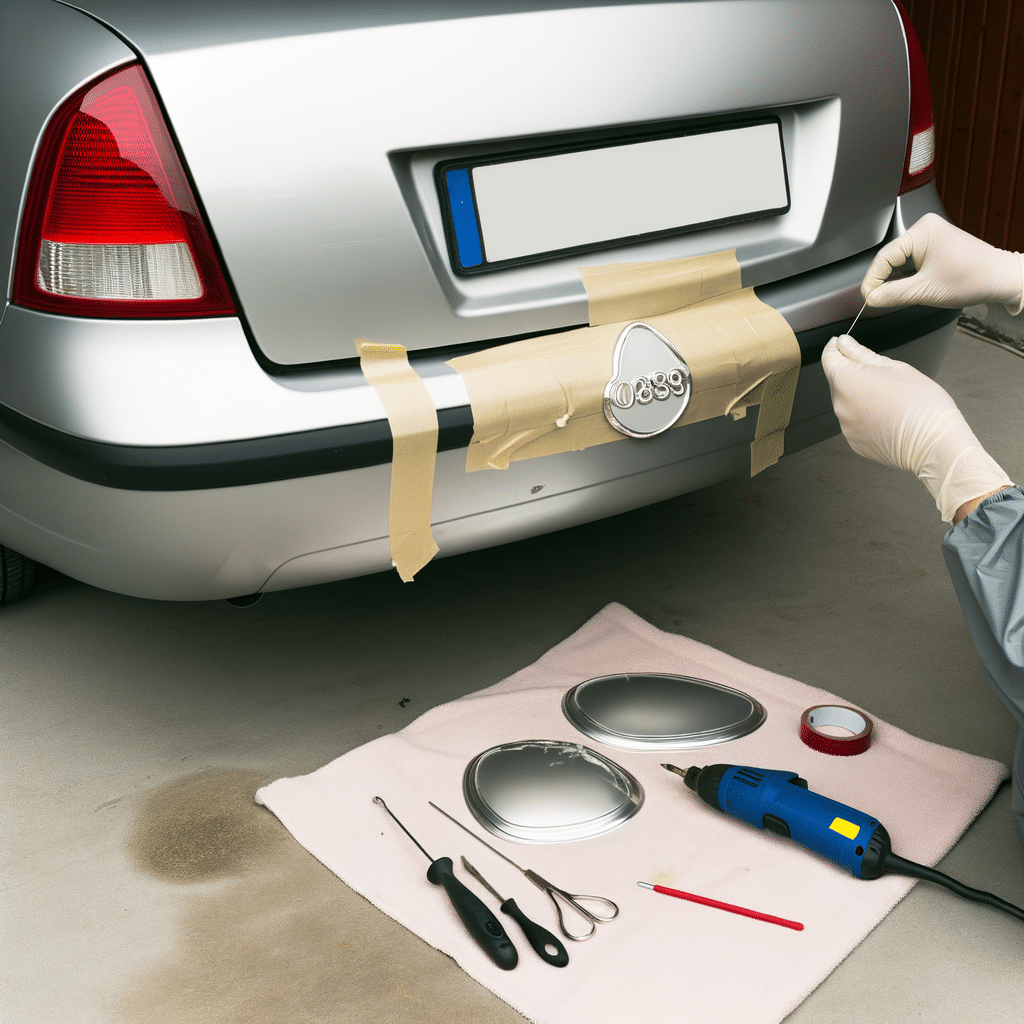
Car badges are the little logos and nameplates on your hood, trunk, fenders, or grille. Over time they can fade, peel, or just not match your style anymore. The good news: You can remove and replace most badges at home with simple tools. This is a clean DIY that makes a big visual change, and it does not require special skills.
Tools and items needed
- Hair dryer or heat gun on low
- Dental floss or fishing line (unwaxed floss works best)
- Plastic trim tool or old plastic card (like a gift card)
- Adhesive remover or isopropyl alcohol (70% or higher)
- Microfiber towels
- Car wash soap and water
- Masking tape (painter’s tape is nice)
- New badge or emblem (with pre-applied tape, or separate automotive emblem tape)
- Optional: Adhesion promoter (only if the new badge instructions call for it)
- Optional: Nitrile gloves
Safety or legal notes
Work on a cool, clean car in the shade. Heat helps, but hot paint can get soft. Go slow and use plastic tools only. Metal blades can scratch paint fast.
Be careful with heat guns. Keep the heat moving and do not focus on one spot. If the badge is on a plastic bumper, too much heat can warp the plastic.
Legal note: Some places have rules about removing certain badges, like model identification on fleets, or badges tied to safety systems. Swapping a trim badge is usually fine, but do not put a badge on the car that misrepresents what it is. If you are new to cosmetic changes, Visual mods explained for beginners can help you understand what counts as a simple style mod.
Numbered installation steps
1) Wash the area first
Wash and dry the panel where the badge sits. Dirt can scratch paint while you work. If the badge area has wax, wipe it with isopropyl alcohol and a clean microfiber towel.
2) Mark the badge location (Important for straight placement)
If you want the new badge in the same spot, use masking tape to make a guide before removal.
- Place one strip of tape along the top edge of the badge.
- Place a second strip on the left side edge if you want a corner reference.
- Take a quick photo so you remember spacing and angle.
If you are deleting the badge or moving it, you can skip the tape guide.
3) Warm the badge and adhesive
Use a hair dryer or a heat gun on low. Warm the badge for about 30 to 60 seconds. The goal: Soften the adhesive tape behind it. The badge should feel warm, not hot.
4) Cut through the tape with floss or fishing line
Slide floss behind one corner of the badge. Use a gentle sawing motion. Keep the floss close to the paint, not angled upward. This helps you cut the foam tape cleanly.
- If the floss breaks, switch to fishing line.
- If the badge fights you, warm it again and try a new angle.
For badges with locator pins (common on some trunks and fenders), the badge may still be held by pins even after the tape is cut. Do not yank it. Work around it until it loosens.
5) Lift the badge off carefully
Once the tape is cut, pull the badge off slowly. If it does not come free, do not force it. Add more heat and keep cutting with floss. Patience saves paint.
6) Remove leftover adhesive
You will usually have foam tape and sticky glue left on the paint. Peel off the thick foam with your thumb or a plastic card. Then use adhesive remover or isopropyl alcohol on a microfiber towel.
- Rub lightly. Do not grind dirt into the paint.
- Switch to clean sections of towel as the glue transfers.
If you have a lot of residue, a fast trick is to roll it off with your finger after warming it slightly. Avoid harsh scraping. If you like small, clean DIYs like this, you may also enjoy Valve stem caps upgrade for another simple exterior refresh.
7) Clean and prep the surface for the new badge
Wash the spot with soap and water, dry it, then wipe with isopropyl alcohol. This removes oils so the new tape sticks.
Do not apply wax before the new badge. Wax can make the adhesive fail.
8) Test fit and align the new badge
Before you peel the backing, hold the new badge in place. Check:
- Level and straight lines
- Clearance from panel edges and trim
- Even spacing if there are multiple letters
If it is a letter-by-letter kit, lay a tape line as a baseline so every letter sits at the same height.
9) Apply the badge
Peel the tape backing. Try not to touch the sticky side. Line it up using your tape guides, then press it on.
- Press firmly over the whole badge for 30 to 60 seconds.
- Focus on the edges and thin parts where tape needs contact.
If the badge uses separate emblem tape, apply the tape to the badge first, trim the excess, then peel and stick.
10) Let the adhesive set
Avoid washing the car for 24 to 48 hours. Also avoid heavy rain if you can. The tape bonds better as it sits. If you used an adhesion promoter, follow the product directions for cure time.
Common mistakes
- Using a metal razor to scrape glue: It can cut into clear coat fast.
- Overheating the panel: Too much heat can discolor paint or warp plastic.
- Not using a tape guide: A slightly crooked badge is easy to notice.
- Sticking onto wax or polish: The badge may fall off later.
- Pulling hard on a pinned badge: You can bend the badge or chip paint around the holes.
- Placing it once and “adjusting” it: Emblem tape grabs quickly. Repositioning weakens it.
If you are also learning the names for common mod parts and trim pieces, car modification terminology basics makes it easier to shop for the correct items.
Maintenance tips (If applicable)
Badges do not need much care, but a few habits help them last:
- Hand wash around new badges for the first week if possible.
- Do not blast the badge edge with a pressure washer nozzle up close.
- When waxing, keep thick wax buildup out of badge edges. It turns white and looks messy.
- If you use a drying towel, avoid snagging it on sharper badge corners.
If you are doing a few small changes over time, Modified car maintenance for beginners is a helpful way to avoid problems after cosmetic upgrades.
Is it worth it?
Yes, for most owners. Badge removal and replacement is cheap, low risk, and it can refresh an older car fast. It is also reversible if you keep the old badge and you do not damage the paint.
It may not be worth it if your paint is already peeling or the badge sits on a repainted panel with weak clear coat. In that case, removing adhesive can pull up damaged paint. If your car is older and you are doing small updates, Basics of modding older cars can help you pick changes that match the car’s condition.
Conclusion
Removing and replacing a car badge is a simple weekend job. Use heat, floss, and plastic tools. Clean the surface well before sticking the new badge on. Take your time with alignment, then let the adhesive set before washing. Done right, the new badge looks factory clean and stays put.


