


- Why DIY Car Upgrades Make Sense
- Essential Tools for DIY Success
- Beginner-Friendly Maintenance Upgrades
- Easy Aesthetic Upgrades
- Interior Enhancements
- Performance Enhancements
- DIY Detailing for a Like-New Finish
- Safety and Best Practices
- Free or Nearly Free Modifications
- Building Your Skills Over Time
- Conclusion
There’s something truly rewarding about upgrading your car with your own hands. Whether you want to save money, learn new skills, or simply enjoy maintaining your vehicle, DIY car upgrades are a great way to start. The best part is that you don’t need a professional workshop or advanced mechanical knowledge to make meaningful improvements. Here’s a complete guide to simple and practical car upgrades you can do at home.
Why DIY Car Upgrades Make Sense
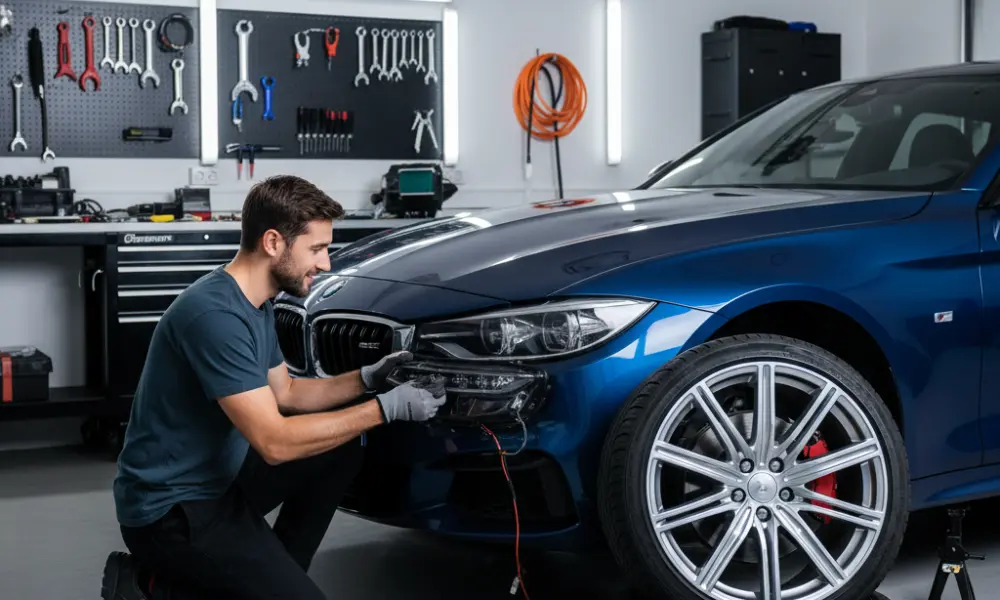
Before getting into specific projects, it’s helpful to understand why DIY upgrades have become so popular. Professional installations can be costly, sometimes costing two or three times more than the parts themselves. Doing the work on your own helps you save money, build useful mechanical skills, and gain confidence in handling your car. There’s also something special about the pride you feel when you know your hard work made your vehicle better.
Essential Tools for DIY Success
Start building a basic tool collection that will serve you across multiple projects:
Basic Hand Tools:
- Socket set with ratchet and extensions
- Combination wrenches (metric and standard)
- Screwdriver set (Phillips and flathead)
- Pliers (needle-nose and adjustable)
- Torque wrench
Specialty Tools:
- Jack and jack stands
- Oil filter wrench
- Lug wrench or breaker bar
- C-clamp or brake caliper tool
- Funnel
Safety Equipment:
- Safety glasses
- Gloves
- Wheel chocks
- Shop rags and microfiber towels
Beginner-Friendly Maintenance Upgrades
Air Filter Replacement
Difficulty: Very Easy | Time: 10-15 minutes | Cost: $10-30
Replacing your engine air filter is arguably the easiest car maintenance task you can perform. A clean air filter improves engine performance, boosts fuel efficiency, and enhances throttle response.
Steps:
- Pop the hood and locate the air filter housing (usually a rectangular or round box near the engine)
- Remove clips, screws, or wing nuts securing the housing cover
- Pull out the old filter and inspect it. If you can’t see light through it, it needs replacement
- Clean the housing interior with a clean rag to remove debris
- Insert the new filter, ensuring proper orientation (look for directional arrows)
- Secure the housing cover and reconnect any sensors or hoses
Most vehicles need air filter replacement every 15,000-30,000 miles, though dusty driving conditions may require more frequent changes.
Cabin Air Filter Replacement
Difficulty: Very Easy | Time: 5-10 minutes | Cost: $10-25
Your cabin air filter cleans the air entering your vehicle’s interior through the HVAC system. When clogged, it restricts airflow and can cause musty odors.
Steps:
- Locate the cabin filter, usually behind or inside the glove box, sometimes under the dashboard
- Remove the glove box by squeezing the sides to release the retention clips
- Behind the glove box, find the filter access panel and remove its cover
- Slide out the old filter, noting its orientation
- Insert the new filter following the directional arrows (typically pointing toward the blower motor)
- Replace the access panel and reinstall the glove box
This simple upgrade takes less than 10 minutes and significantly improves air quality inside your vehicle.
Oil Change
Difficulty: Easy | Time: 30-45 minutes | Cost: $25-50
Changing your own oil saves money and ensures you know exactly what’s going into your engine.
Steps:
- Warm up the engine briefly (warm oil flows better, but avoid burning yourself)
- Lift the vehicle safely using a jack and jack stands, engaging the parking brake
- Place an oil catch pan under the drain plug
- Remove the drain plug using a socket wrench (turn counterclockwise)
- Let all oil drain completely (3-5 minutes)
- While draining, remove the old oil filter using an oil filter wrench
- Apply a thin coat of new oil to the new filter’s rubber gasket
- Hand-tighten the new filter (don’t use the wrench to install)
- Reinstall and tighten the drain plug to the manufacturer’s specifications
- Lower the vehicle and add the correct amount and type of new oil using a funnel
- Run the engine for a minute, then check the dipstick and look for leaks
Always dispose of old oil properly by taking it to an auto parts store or recycling center.
Brake Pad Replacement
Difficulty: Moderate | Time: 45-90 minutes per axle | Cost: $50-150
While more involved than filters and oil, brake pad replacement is achievable for motivated DIYers and offers substantial savings over shop rates.
Steps:
- Loosen lug nuts slightly before lifting the vehicle
- Safely lift and secure the vehicle on jack stands
- Remove the wheel to access the brake assembly
- Locate and remove the caliper bolts (typically 14mm)
- Swing the caliper up and secure it with a wire or bungee cord (don’t let it hang by the brake line)
- Remove the old brake pads from the caliper bracket
- Use a C-clamp to slowly compress the caliper piston back into its housing
- Install new brake pad shims if provided
- Insert the new brake pads into the bracket
- Lower the caliper back into position and reinstall the bolts
- Reinstall the wheel and hand-tighten lug nuts
- Lower the vehicle and fully tighten lug nuts in a star pattern
- Pump the brake pedal several times before driving to restore pressure
Important: Always replace brake pads in axle sets (both front or both rear) for balanced braking.
Easy Aesthetic Upgrades
LED Lighting Upgrades
Difficulty: Easy | Time: 15-30 minutes | Cost: $20-100
Upgrading to LED lights modernizes your vehicle’s appearance while improving visibility.
Popular LED Upgrades:
- Headlight bulbs (brighter, whiter light)
- Interior dome lights and map lights
- License plate lights
- Underbody glow kits
- LED light strips for interior ambient lighting
Most LED bulb replacements are plug-and-play, meaning you simply remove the old bulb and insert the new LED. For interior installations, the process usually involves removing a few trim panels and connecting the LED strips to a suitable power source.
Vinyl Wraps and Plasti Dip
Difficulty: Moderate | Time: 2-8 hours | Cost: $50-500
Vinyl wraps and Plasti Dip offer affordable ways to change your car’s color or add custom accents without permanent paint modifications.
Plasti Dip Application:
- Clean and dry the surface thoroughly
- Mask off the surrounding areas with tape and paper
- Apply multiple thin coats (4-5 layers minimum) from 6-8 inches away
- Allow proper drying time between coats
Vinyl Wrap Tips:
- Start with smaller sections like the roof, hood, or mirrors before attempting full vehicle wraps
- Use a heat gun to make the vinyl pliable around curves
- Work slowly with a squeegee to eliminate air bubbles
- Trim excess material carefully with a sharp blade
Window Tinting
Difficulty: Moderate | Time: 2-4 hours | Cost: $50-150 for DIY film
Window tinting adds privacy, reduces glare, and protects interior surfaces from UV damage. However, check local regulations for legal tint darkness levels before proceeding.
Headlight Restoration
Difficulty: Easy | Time: 30-60 minutes per light | Cost: $15-30
Cloudy, yellowed headlights reduce nighttime visibility and make your car look older. Restoration kits can bring them back to near-new clarity.
Restoration Process:
- Thoroughly clean the headlight lenses
- Mask off the surrounding paint and trim with painter’s tape
- Wet-sand the lens starting with coarser grit (800-1000 grit)
- Progress to finer grits (2000-3000 grit) for a smoother finish
- Apply polishing compound with a buffer or by hand
- Buff to clarity using microfiber cloths
- Apply UV sealant or protective coating to prevent future yellowing
Quick Alternative Method:
For light oxidation, apply toothpaste (non-gel, whitening) to the headlight and rub in circular motions for 5-10 minutes, then rinse. Alternatively, make a paste with baking soda and vinegar for similar results.
Interior Enhancements
Custom Shift Knob Installation
Difficulty: Very Easy | Time: 5-10 minutes | Cost: $15-50
Replacing your shift knob adds personality and can improve the shifting feel in manual transmission vehicles.
Installation:
- Most shift knobs simply unscrew counterclockwise (righty-tighty, lefty-loosey)
- Remove the old knob completely
- Thread the new knob onto the shifter clockwise
- Tighten until secure, ensuring proper height and orientation
Steering Wheel Cover
Difficulty: Very Easy | Time: 10-15 minutes | Cost: $10-40
A quality steering wheel cover improves grip and protects the original wheel from wear. Choose materials like leather or microfiber for the best feel and durability.
Floor Mats and Carpets
Difficulty: Very Easy | Time: 10 minutes | Cost: $30-100
Replacing worn, stained floor mats instantly refreshes your interior and protects original carpeting. All-weather mats offer superior protection against dirt, snow, and spills.
Interior Trim Painting
Difficulty: Easy | Time: 1-2 hours | Cost: $20-50
Give dated interior trim a fresh look by repainting plastic pieces.
Steps:
- Remove trim pieces (door panel accents, vent surrounds, console trim)
- Clean thoroughly with soap and water
- Lightly sand with fine-grit sandpaper for better adhesion
- Apply plastic-specific spray paint in thin, even coats
- Allow proper drying time before reinstalling
Performance Enhancements
Cold Air Intake Installation
Difficulty: Moderate | Time: 1-2 hours | Cost: $150-400
A cold air intake allows cooler, denser air into the engine, improving horsepower, torque, and engine sound.
Installation typically involves:
- Disconnecting the battery
- Removing the stock airbox and intake tubing
- Installing the new intake pipe and filter
- Securing all connections with the provided clamps
- Reconnecting sensors and the battery
Most cold air intakes are designed for specific vehicle models and include detailed instructions.
Performance Exhaust Tips
Difficulty: Easy | Time: 30 minutes | Cost: $20-100
Upgrading exhaust tips is one of the easiest ways to enhance your car’s appearance and sound without major modifications.
DIY Detailing for a Like-New Finish
Complete Exterior Detail
Time: 3-5 hours | Cost: $50-100 in supplies
Two-Bucket Wash Method:
- Fill one bucket with car wash soap solution, and one with clean rinse water
- Pre-rinse the vehicle to remove loose dirt
- Wash from top to bottom using a microfiber wash mitt
- Rinse the mitt in clean water after each section
- Thoroughly rinse the entire vehicle
Clay Bar Treatment:
After washing, use a clay bar with lubricant to remove embedded contaminants like tar, tree sap, and industrial fallout. This leaves the paint silky smooth and ready for protection.
Waxing and Sealing:
Apply a quality car wax or sealant to protect the paint and add shine. Work in small sections, applying thin layers and buffing to a high gloss with microfiber towels.
Interior Deep Clean
Time: 2-3 hours | Cost: $30-60
- Remove all personal items and floor mats
- Vacuum thoroughly, including under seats and in crevices
- Clean dashboard, center console, and door panels with appropriate interior cleaner
- Use leather cleaner and conditioner on leather surfaces
- Clean windows and mirrors with streak-free glass cleaner
- Shampoo carpets and upholstery if needed
- Apply protectant to vinyl and plastic surfaces
Safety and Best Practices
Work Smart, Not Just Hard:
- Always use jack stands, never rely solely on a jack to support a vehicle
- Wear safety glasses and gloves during projects
- Consult your vehicle’s owner’s manual for specifications and procedures
- Watch multiple tutorial videos before attempting unfamiliar projects
- Start with easier projects to build confidence and skills
- Keep track of hardware and components to avoid lost parts
Know Your Limits
Some modifications are best left to professionals, including:
- Anything involving electrical system modifications
- Transmission work
- Major suspension alterations
- Welding or structural changes
Document Your Work:
Take photos before, during, and after projects. Keep records of what you’ve done, including part numbers and dates. This helps with future maintenance and can increase resale value when you can prove the work was done.
Free or Nearly Free Modifications
You can improve your car without spending much at all:
Throttle Cable Adjustment:
Tightening a loose throttle cable can improve throttle response, completely free.
Remove Excess Weight:
Clean out your trunk and interior. Removing 100 pounds can noticeably improve acceleration and fuel economy.
Proper Tire Pressure:
Maintaining correct tire pressure improves handling, fuel economy, and tire life, just requires a gauge and air pump.
Regular Washing:
Consistent washing prevents paint damage and maintains appearance, just soap and water.
Building Your Skills Over Time
Start with the easiest projects, like air filters, and work up to more complex tasks like brake replacements. Each successful project builds confidence and expands your capabilities. Join online forums or local car enthusiast groups to learn from others’ experiences and get advice on specific projects.
Consider creating a maintenance spreadsheet tracking all work performed, including dates, mileage, and costs. This systematic approach ensures nothing falls through the cracks and provides valuable documentation.
Conclusion
DIY car upgrades are an easy and fun way to improve your car while saving money and learning new skills. From quick jobs like changing an air filter to bigger ones like replacing brake pads, there’s something for every skill level and budget.
To do your own car work successfully, start with simple projects that match your skills. Get the right tools, follow safety steps, and keep learning as you go. Every car expert once started as a beginner! They just kept practicing.
Whether you want to maintain your daily car, boost its performance, or simply enjoy working on it yourself, these DIY upgrades are a great place to start. Grab your tools, roll up your sleeves, and enjoy the satisfaction of improving your car with your own hands.


