


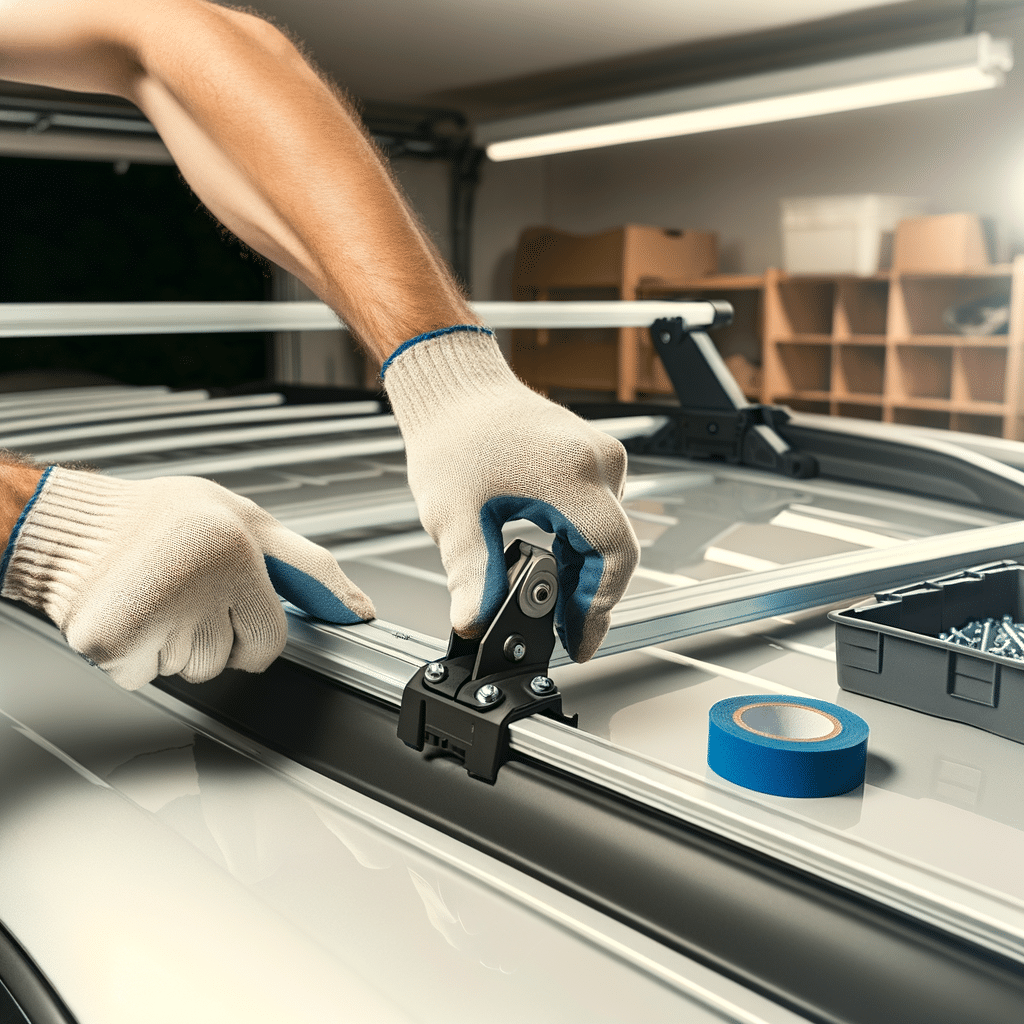
A roof rack makes it easier to carry bikes, skis, a cargo box, or long items. The good news: Most modern rack kits are made for home install. You just need the right parts, a steady pace, and a careful final check.
This guide covers the basic “crossbars on the roof” install. It works for raised rails, flush rails, and fixed mounting points. If your car has a totally bare roof with no mounts, stop and buy a kit made for “naked roofs” with door jamb clamps.
Tools and items needed
- Roof rack kit: Crossbars + towers/feet + vehicle-specific fit kit
- Torque wrench (inch-pound or Nm, based on your rack manual)
- Socket set or Allen keys (usually included, but better tools help)
- Measuring tape
- Painter’s tape or masking tape
- Step stool (helps a lot on SUVs)
- Clean microfiber towels
- Car wash soap and water (or rinseless wash)
- Isopropyl alcohol (for final wipe on contact points)
- Silicone spray (optional, for rubber strips if they feel dry)
If you will be working a long time with doors open, it can help to start with a healthy battery. If yours is weak, Replace car battery safely before a big DIY day.
Safety or legal notes
- Know your roof load rating: Check your owner’s manual. This is the maximum weight on the roof, including the rack and the cargo.
- Drive height changes: A roof rack and cargo can make you too tall for some garages and drive-thrus.
- Secure loads correctly: Use rated straps. Tie down front and rear for long items like ladders.
- Watch airbag areas: For clamp-on racks, do not route straps across airbags or sensors in door frames.
- Follow torque specs: Tightening “by feel” is how parts break and roofs get dented.
Numbered installation steps
1. Confirm you have the correct rack type
Look at your roof and match it to the kit:
- Raised rails: You can wrap feet around the rails.
- Flush rails: Feet usually clamp into a channel or grab the rail edge.
- Fixed points: Small covers hide threaded mounts. The rack bolts to them.
- Naked roof: Feet clamp in the door jamb and use pads on the roof.
If your rack is not made for your exact car, stop. “Close enough” fit can shift, scratch paint, or leak water.
2. Wash and inspect the roof
Dirt under a pad or foot can scratch paint fast. Wash the roof, rinse well, and dry it. Then wipe the contact areas with a little alcohol on a towel. Let it dry.
3. Lay out parts and pre-assemble on the ground
Open the kit and find left and right pieces. Many systems look the same but are not. Pre-assemble the towers/feet onto the crossbars, but keep them loose so you can slide and adjust.
Install rubber strips in the bar channels if your system uses them. If you plan to add accessories later, cut strips carefully so you do not leave big gaps that whistle.
4. Find the bar positions (front and rear)
Your rack manual will give a front bar location and a bar-to-bar spacing. Measure from a fixed point, like the top of the windshield trim or the front door seam. Use painter’s tape to mark each side so you can match it.
- Measure twice. Mark once.
- Keep both ends of the bar the same distance from your reference point.
5. Set the front bar on the roof and center it
Put the front bar on the roof in the marks. Center it left to right. Many crossbars have a scale. If yours does not, measure the overhang on both sides until it matches.
6. Attach and lightly tighten the front feet
This depends on your roof type:
- Raised rails: Wrap clamps around the rail and start the bolts.
- Flush rails: Seat the feet fully and check that the clamp is grabbing the correct edge.
- Fixed points: Remove covers, start the bolts by hand, then snug them.
- Naked roof: Hook the clips in the door jamb and set pads flat on the roof.
At this stage, only snug it. Do not torque yet. You may still need small adjustments.
7. Install the rear bar and match spacing
Repeat the same steps for the rear bar. Use the manual’s bar spacing. Measure from the front bar to the rear bar on both sides to keep them parallel.
Stand at the front of the car and look down the roof line. The bars should look straight and even. If something looks off, loosen and adjust before final torque.
8. Torque everything to spec
Now tighten in a balanced way. Go side to side so the feet clamp evenly. Use your torque wrench and follow the rack’s spec. If your kit has a “click” tool, still be careful. Tighten slowly until it clicks.
Do not overtighten. It can crack a tower, strip a bolt, or dent the roof.
9. Lock covers and trim bar ends
Install end caps and lock cores if included. Make sure every cover is fully latched. If your crossbars stick out a lot, confirm that your system allows trimming. Many aluminum bars can be cut, but only if the brand says it is safe.
10. Do a shake test and a short test drive
Grab each bar and shake it firmly. You should not see the feet sliding. A tiny flex is normal. Movement is not.
Take a 5 to 10 minute drive. Listen for new noises. After the drive, recheck torque. If you get a whistle, small changes to rubber strip placement often help. If the rack still whistles, check for gaps in the bar channel.
If your car already makes odd wind sounds, you may want to compare with Whistling noise at highway speed so you can tell what changed after the rack install.
Common mistakes
- Skipping the fit kit: The bar brand may be right, but the feet and clips must match your car.
- Installing crooked bars: Crooked bars can make accessories sit wrong and can shift under load.
- Overtightening: This is the big one. It breaks parts and can bend the roof skin.
- Dirty contact points: One grain of sand under a pad can leave a scratch ring.
- Wrong bar spacing for your accessory: Some bike trays and cargo boxes need a specific spread.
- Ignoring weight ratings: Roof load rating is not the same as how strong the bars feel by hand.
If you are building a mod list, keep it simple and safe. Avoid over-modding your car is a good mindset for roof gear too.
Maintenance tips
- Re-torque after 50 to 100 miles: Parts can settle, especially on clamp-on systems.
- Check monthly: Shake the bars and confirm nothing loosened.
- Clean under pads: If you drive on dusty roads, remove the rack sometimes and wash the contact areas.
- Watch for rust: Hardware can rust in salty climates. Replace rusty bolts.
- Remove when not needed: Less wind noise, better fuel economy, and less wear on paint.
If your rack is part of a bigger “useful upgrades” plan, Driving enjoyment car mods has more practical ideas that do not make your car harder to live with.
Is it worth it?
For most people, yes. A roof rack turns a small car into a weekend hauler. It can be cheaper and cleaner than stuffing gear inside the cabin. It is also safer than tying items to random points.
It might not be worth it if you only carry gear once a year. In that case, renting a cargo box or borrowing crossbars can make more sense. Also, if you hate wind noise, you may prefer a hitch rack for bikes instead of roof mounting.
Conclusion
A DIY roof rack install is a realistic beginner project. Work on a clean roof, measure carefully, and tighten with a torque wrench. After a short test drive, recheck torque and you are ready to carry gear with confidence.


