


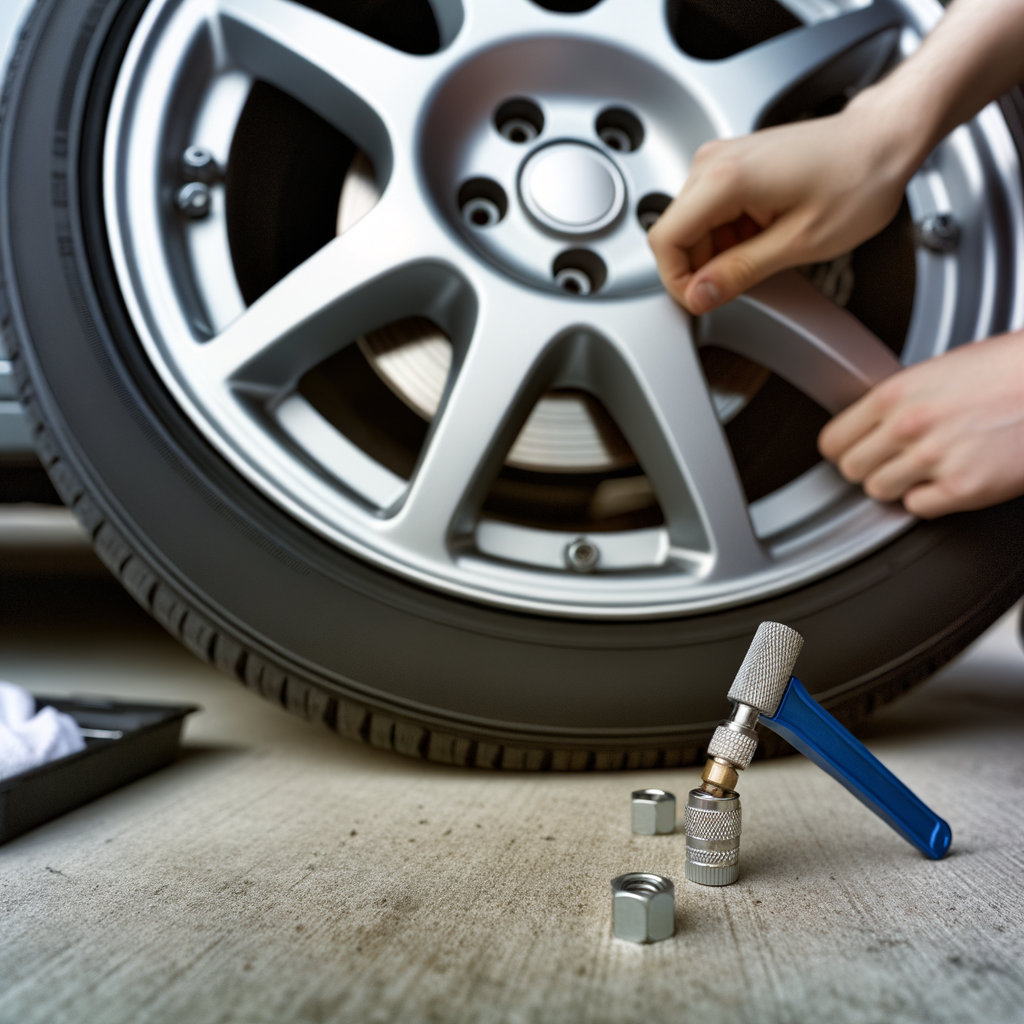
Valve stem caps are small. But they do a real job. They keep dirt and moisture out of the valve stem. That helps your tires hold air over time. Upgrading them at home is one of the easiest DIY car projects you can do. It takes minutes. And it can make your wheels look cleaner too.
This guide is for beginners. No special skills needed. Just a little care so you do not damage the valve stem.
Tools and Items Needed
- New valve stem caps (set of 4, or 5 if you have a full-size spare)
- Microfiber towel or clean rag
- Mild soap and water (optional, for cleaning)
- Small soft brush or old toothbrush (optional)
- Gloves (optional)
- Pen and paper or your phone notes (optional, to note tire pressures)
If you are buying caps, good beginner choices are:
- Plastic caps with an O-ring seal
- Rubber cap styles
- Anodized aluminum caps from a known brand (only if they have an internal plastic liner or O-ring)
If you are new to basic car changes, it helps to keep your expectations realistic. Small upgrades are mostly about protection and looks, not performance. This article on realistic expectations for car mods explains that mindset well.
Safety or Legal Notes (If Relevant)
Valve stem caps are safe to change with the car on the ground. You do not need to jack up the vehicle.
Still, keep these points in mind:
- Work on a flat surface with the parking brake on.
- Do not press the valve pin inside the stem. That will release air fast.
- If your car has TPMS (tire pressure monitoring sensors), valve caps are usually fine to change. But do not force anything.
One more note: Some metal caps can stick to metal valve stems over time. That is not illegal, but it can cause a real headache later. If you live where roads get salty in winter, consider plastic or rubber caps.
Numbered Installation Steps
1. Park and Inspect the Valve Stems
Park on level ground. Turn the steering wheel so you can reach the front valve stems easily if needed.
Look at each valve stem. Check for:
- Cracks in rubber stems
- Bent stems
- Heavy dirt buildup
- Missing caps
If a stem looks cracked or dry, that is not a cap problem. That stem should be replaced soon. A tire shop can do it during a tire change.
2. Remove the Old Caps Slowly
Turn the cap counterclockwise (lefty loosey). Use two fingers and go slow. If the cap is stuck, do not grab it with pliers right away. Pliers can crush plastic caps and can also damage the stem.
If it feels stuck:
- Try tightening it a tiny bit first, then loosen it
- Wiggle gently while turning
- Use a rag for extra grip
As you remove the cap, listen for any hissing. If you hear air, you may be pressing the valve pin by accident. Stop and reposition your fingers.
3. Clean the Valve Stem Threads and Tip
With the cap off, wipe the outside of the valve stem. Dirt on the threads can make the new cap cross-thread or not seal nicely.
If the wheel area is grimy, wash the stem area with mild soap and water. Use a soft brush if needed. Dry it well. Water trapped under a cap is not ideal.
This is also a nice time to quickly clean around the wheels if you like doing small refresh jobs. If you want an easy interior win too, this car interior deep clean guide pairs well with simple exterior touch-ups.
4. Check the Valve Stem for Damage
Look at the stem tip. The small metal pin in the center should sit straight. The threads should look even.
If you see green or white crusty buildup, that can be corrosion. Clean lightly with a dry brush. If it is heavy corrosion, plan a valve stem service later.
5. Install the New Valve Stem Caps by Hand
Start the new cap on the threads with gentle pressure. Turn it clockwise. It should screw on easily.
Important: If it feels rough or tight right away, stop. Back it off and try again. That first turn matters. Cross-threading can ruin the cap, and it can also damage the stem threads.
Tighten the cap until it is snug. Do not crank it down. Your fingers are enough. If your caps have an O-ring, snug is all you need for a good seal.
6. Repeat for All Tires and the Spare
Do each wheel the same way. If you have a spare tire, check it too.
Many people forget the spare. Then they find out it is low when they need it most. If you want more simple at-home upgrades like this, replace fuel cap at home is another quick beginner project.
7. Quick Pressure Check (Optional but Smart)
Valve stem caps do not hold tire pressure by themselves. The valve core does that. But if you found a missing cap, it is smart to check tire pressure soon.
If your tire keeps losing air, the issue is not the cap. It could be a nail, bead leak, or a faulty valve core.
Common Mistakes
- Overtightening metal caps: This can make them seize later, especially on metal stems.
- Using cheap metal caps with no liner: They can corrode and stick. Plastic or lined caps are safer for beginners.
- Cross-threading: If the cap does not turn smoothly, stop and restart.
- Accidentally pressing the valve pin: This releases air and can leave you with a low tire.
- Ignoring a cracked rubber stem: The cap will not fix it. The stem needs replacement.
Also, if you notice your car starts to pull after you have been working around the wheels, do not assume it is related to valve caps. That usually points to alignment or tire issues. This guide on car pulls right causes can help you do basic checks.
Maintenance Tips (If Applicable)
- Wipe valve stems when you wash your car. Dirt builds up fast in that area.
- Remove and reinstall the caps a few times a year. This helps prevent sticking.
- If you use metal caps, add a tiny bit of silicone grease on the cap threads only. Do not get any inside the valve.
- Replace caps that crack, fade, or do not fit snug anymore.
- If you lose a cap, replace it soon. Open stems collect grit.
Is It Worth It?
Yes, for most beginners. It is cheap, fast, and low risk.
What you get from a valve stem cap upgrade:
- Better protection from dirt and water
- Cleaner look on the wheels
- An easy habit of inspecting valve stems and tire condition
What you do not get:
- More horsepower
- Better handling
- A fix for a tire leak
Still, it is a smart small upgrade. It also builds confidence for other easy projects like trim or mounts. If you are working your way into simple mods, this Basics of modding older cars guide is a helpful next step.
Conclusion
Upgrading valve stem caps at home is a quick beginner job that protects your tire valves and tidies up your wheels. Remove the old caps carefully, clean the stems, and install the new caps by hand. Do not overtighten them. Check the spare tire too. After that, just keep the stems clean and replace caps when they wear out.


