


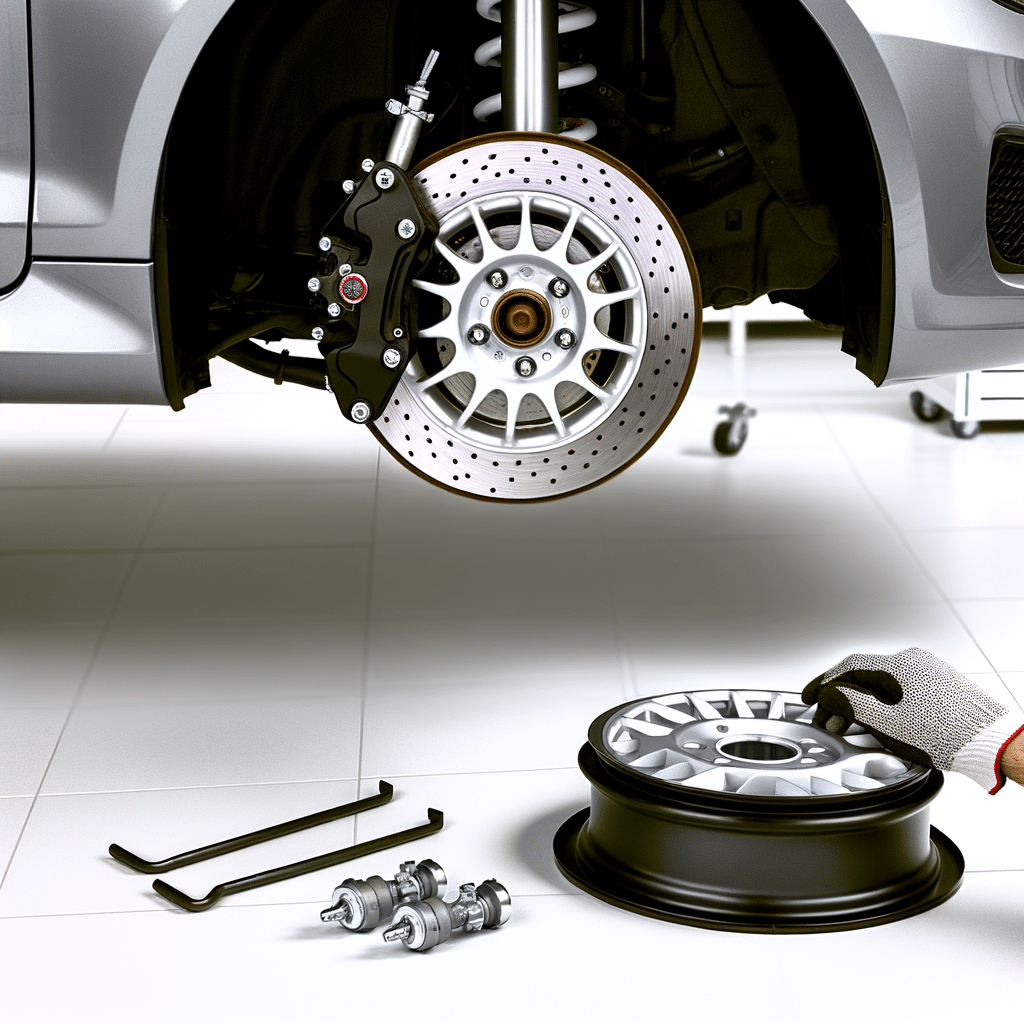
Modifying a car is fun, but it is easy to go too far. Over-modding happens when upgrades pile up and the car becomes less reliable, less comfortable, harder to drive, or even unsafe. Beginners often add parts one by one, then realize the car no longer fits daily life. The goal is a car that looks good, drives well, and stays dependable.
What the modification or concept is
Avoiding over-modding means keeping upgrades balanced. You pick changes that work together instead of stacking random parts. You also stop when the car already meets your needs.
Over-modding is not about one specific part. It is about the overall result. A car can be “too modified” when:
- Parts fight each other, like very stiff suspension with cheap tires.
- Comfort drops a lot, like loud exhaust with long daily commutes.
- Reliability gets worse, like extra electrical add-ons with weak wiring.
- Maintenance becomes hard, because access is blocked or parts are uncommon.
- The car no longer matches its main job, like a daily driver turned into a track-style setup.
Why people do it
Many owners over-mod because each single upgrade sounds small. One more part feels harmless, but the combined effect is big.
- Chasing a look: Lower and lower ride height, bigger wheels, darker tint, louder exhaust, all at once.
- Trying to fix a weak point fast: Adding power before improving tires, brakes, and cooling.
- Copying builds online: Those cars may not be daily driven, or they may have supporting upgrades you do not see.
- Buying parts before testing: Installing several changes without driving between them.
- Thinking more parts means better: Some upgrades add compromises, not pure improvement.
Things to know before starting
Before you change anything, get clear on what you want the car to do most days. A street car needs comfort, visibility, ground clearance, and low noise. A weekend car can accept more trade-offs.
Start with fundamentals. A healthy car can handle upgrades better than a neglected one. Fix worn tires, brakes, suspension bushings, fluid leaks, and warning lights first. If the car already has a problem like shifting issues, solve it before adding stress with mods. For example, symptoms like 1st to 2nd shift jerks can get worse after power changes.
Understand “supporting mods.” Many parts require other parts to work right. More power can need better cooling, better brakes, and better tires. Lowering can need alignment parts. Extra electronics can need better wiring and charging health.
Pick a clear upgrade order. Random upgrades often create a car that is annoying to drive. A simple, sensible order helps you stop at the right time. Use a structured approach like What to upgrade first to keep changes balanced.
Know your limits. Some jobs are simple bolt-ons, but others need special tools and training. Bad installs are a common reason cars become unreliable after mods.
Step-by-step explanation
1) Set one main goal for the car
Pick a main purpose and stick to it. Examples: comfortable commuter, simple weekend fun car, light off-road use, or clean show look. If you have two goals that clash, pick the higher priority one.
2) Make a “must-have vs nice-to-have” list
Write down the upgrades you truly need, then list the extras. Keep the must-have list short. If everything is “must-have,” you will overdo it.
- Must-have: Safer tires, better headlights, fresh brakes, mild suspension refresh.
- Nice-to-have: Louder exhaust, extreme lowering, big wheels, heavy audio build.
3) Start with baseline maintenance and handling basics
Do maintenance first, then upgrade what touches the road. This keeps the car predictable and reduces regret.
- Tires with the right size and load rating
- Brake pads and fluid in good condition
- Alignment after any suspension or ride height change
- Suspension parts that are not worn out
If you are changing ride height, learn the trade-offs first. A small drop can look good and still drive well, but going too low can cause rubbing, bad alignment, and poor ride. Use Ride height and handling as a reference point for how low is practical.
4) Modify in small steps and test after each one
Install one change, then drive for a week. Listen for new noises, rubbing, vibrations, warning lights, or changes in fuel use. Small steps help you spot the cause if something feels wrong.
5) Keep comfort and daily use in mind
Ask simple questions before buying a part:
- Will cabin noise be annoying on a long drive?
- Will the car scrape on your normal roads and driveways?
- Will it be harder to park, see, or load groceries?
- Will it attract unwanted attention?
6) Watch weight and electrical load
Heavy wheels, big sound systems, steel skid plates, and extra lighting can add a lot of weight. More weight hurts braking and handling. Electrical add-ons can also stress the battery and alternator, especially in short-trip driving.
7) Stop when the car meets the goal
This is the step most beginners skip. If the car already drives better, looks cleaner, and fits your needs, do not add parts just because you got used to the improvements. Enjoy the finished setup.
If you want ideas that stay reasonable, compare options in Car mods for beginners and pick only what fits your goal.
Common mistakes to avoid
- Mixing random parts: Springs from one setup with shocks from another can ride poorly and wear parts faster.
- Going too low too fast: Extreme lowering often causes rubbing, bent wheels, broken splash shields, and poor alignment.
- Chasing horsepower first: Power without tire and brake upgrades can create wheelspin and longer stopping distances.
- Ignoring warning signs after a mod: New whistling, vibration, or burning smells need quick checks. A small issue can become a big repair.
- Choosing style over visibility: Tint too dark, smoked lights, or poorly aimed headlights reduce safety at night.
- Skipping alignment: After ride height or suspension changes, alignment matters for tire wear and straight tracking.
- Overloading the car with accessories: Too many add-ons can create rattles, dead batteries, and messy wiring.
- Making changes you cannot reverse: Cutting body panels or removing emission equipment can cause long-term problems.
Safety and legal considerations
Some modifications affect safety and can also be illegal depending on your area. Before you install anything, confirm local rules for lights, tint, exhaust noise, and license plate visibility.
- Lights: Headlights must aim correctly. Very bright bulbs in the wrong housing can glare other drivers.
- Tires and wheels: Wrong tire size or low load rating can fail under braking or potholes.
- Suspension: Too-low setups can reduce suspension travel and cause loss of control on bumps.
- Brakes: Poor-quality parts or bad installs can lead to fade or pulling.
- Exhaust and emissions: Removing required equipment can fail inspections and can cause check engine lights.
- Interior mods: Seat covers or accessories must not block airbags or seatbelt function.
After any major change, do a careful test drive in a quiet area. Check turning lock-to-lock, braking from different speeds, and road noise. If the steering pulls, the brakes feel uneven, or the car bottoms out, stop and fix the issue before normal driving.
Final practical advice
Keep your build simple, and keep records. Save a list of every part you changed and the dates. This helps with troubleshooting and resale.
Choose upgrades that improve how the car works, not only how it looks. If you want a cleaner, more useful daily setup, small practical changes can feel better than big performance parts. Even basic organization helps you enjoy the car more, like a DIY trunk organizer setup.
When in doubt, do less. A balanced car with a few well-matched mods usually drives better than a heavily modified car with compromises stacked on top of each other.


