


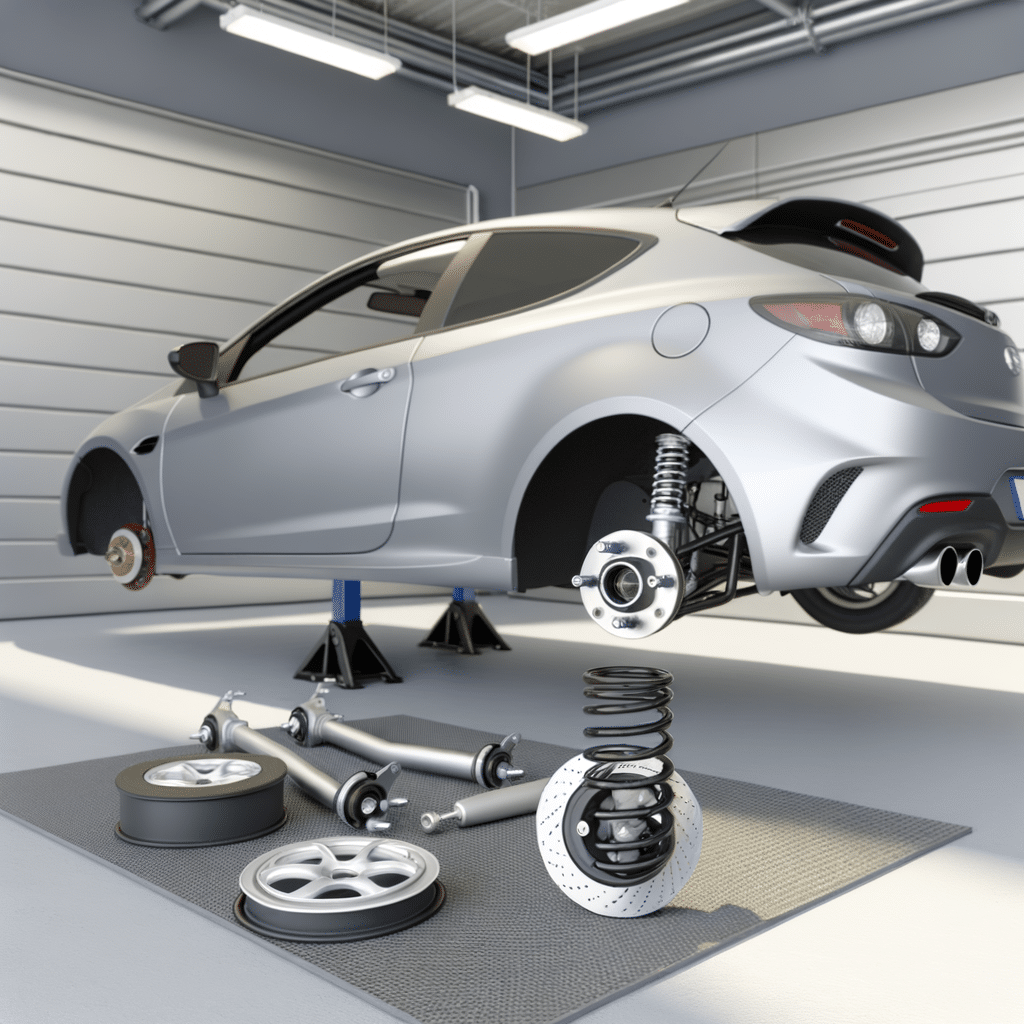
Many first-time car mods focus on looks. It feels safe, and the results are easy to see. But looks-only builds can drive worse than stock. On the other side, performance-only builds can look unfinished and be annoying to live with. A balanced build keeps the car nice to look at, fun to drive, and still practical for daily use.
What the modification concept is
Balancing looks and performance mods means choosing parts that improve your car’s style without hurting how it drives, brakes, turns, or rides. It also means doing mods in an order that makes sense, so one change does not create new problems.
Looks mods usually change how the car appears or feels inside. Performance mods change how the car accelerates, handles, or stops. Some mods do both, like good wheels and tires, or a mild suspension setup. A balanced approach puts “how the car works” and “how the car looks” on the same level.
Why people do it
Most beginners want a car that feels personal. A balanced build helps you get that without ruining comfort or reliability.
- Better daily driving: The car stays easy to use in traffic, over bumps, and in bad weather.
- More confidence: Braking, grip, and steering feel more stable when you add power or change ride height.
- Less wasted money: Parts work together instead of fighting each other.
- Cleaner results: The car does not look “all show” or “all function.”
If you are not sure what kind of build fits your life, daily driver mods can help you decide what to prioritize.
Things to know before starting
Start with a clear goal
Pick one main use: daily driving, weekend fun, or a mixed build. A daily car needs comfort, good visibility, and low noise. A weekend car can accept more ride stiffness and louder parts.
Fix maintenance first
Mods do not solve worn parts. If your tires are old, brakes are weak, or suspension is tired, your “upgrades” may feel worse. Do basics first: fluids, tires, brakes, and any warning lights.
Know your limits and local rules
Some mods look cool but can be illegal or unsafe on the road, like tires sticking outside the fenders, very dark tint, or headlights aimed wrong after lowering. Plan around what you can actually run every day.
Understand the trade-offs
- Lowering: Better stance, but less ground clearance and sometimes worse ride quality.
- Big wheels: Sharper look, but can add weight and make the ride harsher if tire sidewalls get too thin.
- More power: Fun, but stresses cooling, brakes, tires, and drivetrain.
Resale can change
Even tasteful mods can reduce buyer interest, or make the car harder to sell later. If that matters to you, understand how mods affect car resale before going too far.
Step-by-step explanation
1) Decide your “balance rule”
A simple beginner rule: for every “look” mod, do one supporting “function” mod. Example: if you lower the car, also check alignment and use good tires. If you add an exhaust for sound, keep it mild and avoid drone, then maintain the engine so it runs clean.
2) Choose grip and braking before power
Tires are the biggest performance mod for most street cars. They also affect looks because proper tire sizing fills the wheel well better and sits correctly on the rim.
- Pick a quality tire in the right size for your wheel width.
- Do brake maintenance before “big brake” dreams.
- If the brakes need work, start with pads, fluid, and rotors that match street use.
If you plan to work on brakes yourself, DIY brake pad replacement shows what the job involves.
3) Pick wheels that fit the car, not just the photo
Wheels change the whole look, but fitment matters more than most beginners think. Wrong offset or width can cause rubbing, heavy steering, and faster tire wear.
- Stay close to stock wheel diameter for a daily driver.
- Avoid very thin tires if roads are rough in your area.
- Confirm clearance to suspension, brakes, and fenders.
Also think about weight. A lighter wheel can improve ride and steering feel. A heavy wheel can do the opposite.
4) Lower in a practical way
Lowering is a top “looks” mod, but it can hurt performance if done wrong. The goal is a clean stance with controlled movement, not the lowest height possible.
- Choose a mild drop that still clears driveways and speed bumps.
- After lowering, get a proper alignment soon.
- Listen for rubbing and fix it correctly (not by ignoring it).
For many beginners, a modest spring and shock setup is easier than cheap coilovers. Very stiff setups can look good but drive badly on real roads.
5) Add power only when the car is ready
Before power mods, make sure the engine runs well and the cooling system is healthy. Then choose simple, reliable changes.
- Start with maintenance items that improve how the engine runs.
- Keep intake and exhaust changes reasonable so the car stays comfortable.
- If you add power, prioritize tires and brakes even more.
Basic tune-up work is a good starting point, like DIY spark plug replacement when it is due.
6) Improve the car’s “feel” inside
Interior mods can add style and comfort without big downsides. Focus on items you touch and use every drive.
- A quality steering wheel cover can improve grip and feel.
- Better lighting inside can make the cabin feel newer at night.
- Simple tech upgrades can help daily use without changing the car’s driving balance.
7) Test changes one at a time
After each mod, drive the car for a week in normal conditions. Listen for new noises. Pay attention to braking feel, steering response, ride harshness, and any rubbing. Small adjustments early prevent bigger problems later.
Common mistakes to avoid
- Copying a look without checking fit: The same wheel and suspension setup will not fit every car the same way.
- Going too low too fast: Scraping, broken parts, and poor alignment can follow.
- Buying parts in the wrong order: Power before tires and brakes often feels unsafe.
- Ignoring alignment: A lowered car with bad alignment can eat tires quickly and wander on the highway.
- Mixing random suspension parts: Springs, shocks, and sway bars should work together.
- Choosing sound over comfort: Loud does not mean better. Drone can ruin a daily driver.
If you want a broader list of beginner problems, Car modding mistakes to avoid covers common traps new builders hit.
Safety and legal considerations
- Wheel and tire safety: Do not run tires that rub, have stretched sidewalls, or contact suspension parts. Rubbing can cut a tire.
- Lighting: After lowering, check headlight aim. Mis-aimed headlights reduce your visibility and can blind others.
- Exhaust and noise: Many areas have noise rules. A setup that is “fine” in one place may not be legal in another.
- Ride height: Some regions have minimum height laws, and very low cars can fail inspections.
- Brake work: If you are not confident, get help. Brakes are not a learning job for guessing.
Final practical advice
Keep your build simple: good tires, healthy brakes, clean wheel fitment, and a mild suspension drop can give both better looks and better driving. Make changes slowly, drive the car often, and stop when comfort or safety gets worse. A balanced car feels good at 20 mph and 70 mph, looks right in a parking lot, and does not punish you on the way home.


