


A budget-friendly car makeover is about making your car look cleaner, feel nicer, and drive better without big upgrades. For beginners, the smartest approach is simple: Fix the small weak points first, then add low-cost changes that make a clear difference every day.
What the modification or concept is
A “budget-friendly car makeover” is a mix of small improvements across three areas: Appearance, comfort, and basic function. Instead of one big mod, you do a series of small jobs that refresh the car.
This can include deep cleaning, fixing faded lights, replacing worn interior touch points, improving visibility, adding simple exterior pieces, and doing light maintenance that makes the car feel healthier. Many of these tasks need basic hand tools and can be done in a driveway.
Why people do it
Beginners usually start with a makeover for practical reasons:
- The car feels old: Worn steering wheels, cloudy headlights, and dirty interiors make a car feel tired, even if it runs fine.
- Daily driving feels better: Better grip, cleaner air inside, and improved night visibility reduce stress.
- More pride in the car: A clean, tidy car just feels easier to own and maintain.
- Better future value: Clean and well-kept cars often sell faster than neglected ones, even with high miles.
Many drivers also want a safer, more comfortable car without changing the whole personality of the vehicle. If you want to keep long-term value in mind, it also helps to learn how mods affect car resale before adding anything that is hard to undo.
Things to know before starting
Start with a quick inspection
Before buying anything, take 10 minutes to look over the car in daylight. Walk around it slowly. Sit in the driver’s seat and touch the common wear points. Turn on the headlights, brake lights, and interior lights.
- Outside: Headlight clarity, paint swirls, chipped trim, wiper condition, tire wear
- Inside: Smells, stains, sticky buttons, broken vents, worn steering wheel, loose floor mats
- Basic function: Battery strength, overheating at idle, cabin air flow, strange noises
Fix problems first, then “nice to have” items
If the car has a real issue, solve that first. A makeover will not feel good if the car struggles to start or runs hot. For example, if you notice the engine temperature rises at idle, address that before spending money on looks.
Know your limits
Many beginner projects are safe and simple. But anything involving airbags, major wiring, fuel lines, or suspension bolt torque may be better left to a professional.
Pick an upgrade order
The order matters because some jobs create mess, and some upgrades only feel good after cleaning. A helpful way to think about it is: Clean, fix, refresh, then personalize. If you want a simple framework, follow a Car modding timeline so money is not wasted doing the same work twice.
Step-by-step explanation
1) Deep clean the outside first
- Rinse loose dirt off the car.
- Wash top to bottom using a clean mitt or sponge.
- Clean wheels and tires last, using separate tools.
- Dry with a clean towel to avoid water spots.
A proper wash instantly improves looks and also shows what really needs repair, like faded plastic or scratches.
2) Clean and reset the interior
- Remove trash and empty door pockets and the trunk.
- Vacuum seats, carpets, and under the pedals.
- Wipe hard surfaces with a mild interior cleaner.
- Clean inside glass last, so it stays streak-free.
Small habits keep the car feeling fresh. If you struggle to maintain it, use daily car cleaning basics so the interior does not slide back into “mess mode.”
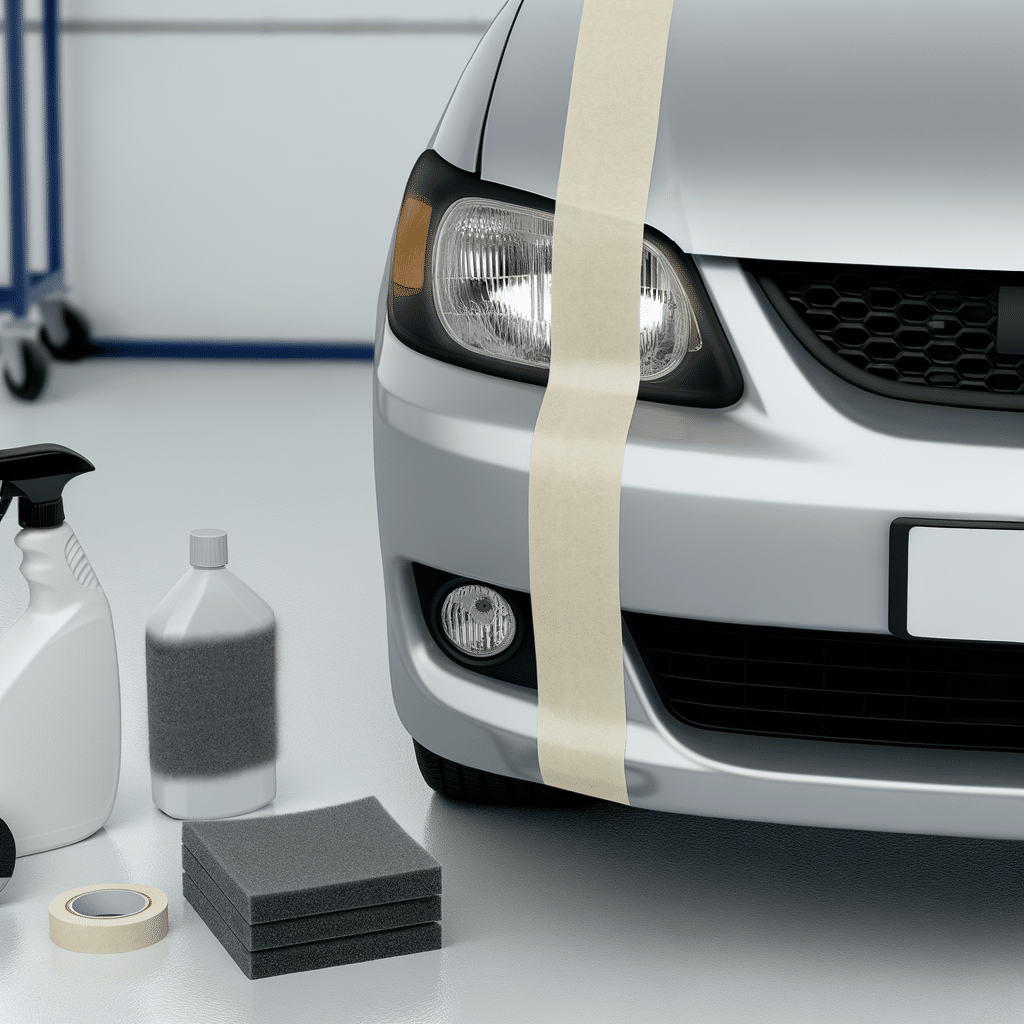
3) Restore headlights for safer night driving
Cloudy headlights make the car look older and reduce light output. This is one of the best “looks plus safety” upgrades.
- Wash the headlight lens and dry it.
- Mask around the light with painter’s tape.
- Use a restoration kit or light sanding steps, then polish.
- Apply a protective sealant or UV coating if available.
If you want clear steps, follow DIY headlight restoration to avoid damage to the lens.
4) Replace worn touch points inside
These upgrades are cheap, fast, and you feel them every time you drive:
- Steering wheel cover (better grip, hides wear)
- Shift knob cover or replacement (if compatible)
- Rubber pedal covers (only if designed not to slip)
- New floor mats if yours slide or have holes
Focus on parts you touch daily. Even one improved touch point can make the car feel newer.
5) Upgrade seat comfort and appearance
If seats are stained, faded, or torn, seat covers can change the whole cabin. Pick covers that fit your seat type and do not block airbags.
- Check if your seats have side airbags and where they deploy from.
- Choose covers designed for your seat style.
- Install them tightly so they do not bunch up.
Detailed steps help a lot, especially for tight fits. Use DIY seat cover installation if you want a clean result without frustration.
6) Improve cabin air and reduce bad smells
Many beginners skip the cabin air filter, but it matters. A clogged filter can make airflow weak and can trap odors.
- Find the cabin filter location (often behind glove box).
- Remove the old filter and note airflow direction.
- Install the new filter the same way.
Pair this with a careful interior clean and it can remove that “old car” smell.
7) Add small exterior details that do not create problems
Budget-friendly exterior changes should be simple and reversible:
- New wiper blades for a cleaner windshield view
- Fresh license plate frame (check local rules)
- Window rain guards for comfort in light rain
- Trim restoration on faded plastic
Avoid big changes like extreme tints, loud exhaust, or low suspension as a first step. Before any major mod path, it helps to understand Used vs new car modding, because condition and warranty concerns change what makes sense.
Common mistakes to avoid
- Buying parts before cleaning: Dirt hides paint issues and interior wear. Clean first so money goes to real needs.
- Going “too aggressive” on paint: Heavy compounds and rough pads can damage clear coat. Start with mild products.
- Skipping protection after headlight work: Restored lenses can haze again quickly without a protective layer.
- Installing loose seat covers: Loose covers look bad and can shift while driving.
- Adding electrical items without checking power draw: Cheap accessories can cause battery drain if wired poorly.
- Ignoring maintenance while chasing looks: A clean car that overheats or stalls is not a real makeover.
Safety and legal considerations
- Airbags: Do not use seat covers that block or restrict side airbag deployment. If the seat has an airbag tag, take it seriously.
- Lights: Headlights must aim correctly and stay bright but not blinding. Avoid illegal color bulbs and poorly aimed housings.
- Window tint: Tint laws vary. Too-dark front tint can lead to tickets and reduced visibility at night.
- License plates: Frames should not cover numbers, state name, or registration stickers.
- Pedal covers: Do not use covers that can slip off. Pedal grip affects stopping distance.
- Cleaning chemicals: Use gloves and ventilation. Some cleaners can irritate skin and lungs.
Final practical advice
Keep your makeover simple by using a short checklist: One cleaning task, one safety or visibility improvement, and one comfort upgrade. After each change, drive the car for a few days and notice what still annoys you. That is the best way to pick the next upgrade without wasting money.
Take photos before and after each step. It helps you track progress and spot areas you missed, like hazy glass or faded trim. Most important: Aim for clean work and reliable results, not a long mod list. A beginner makeover done carefully can feel like a different car.


