


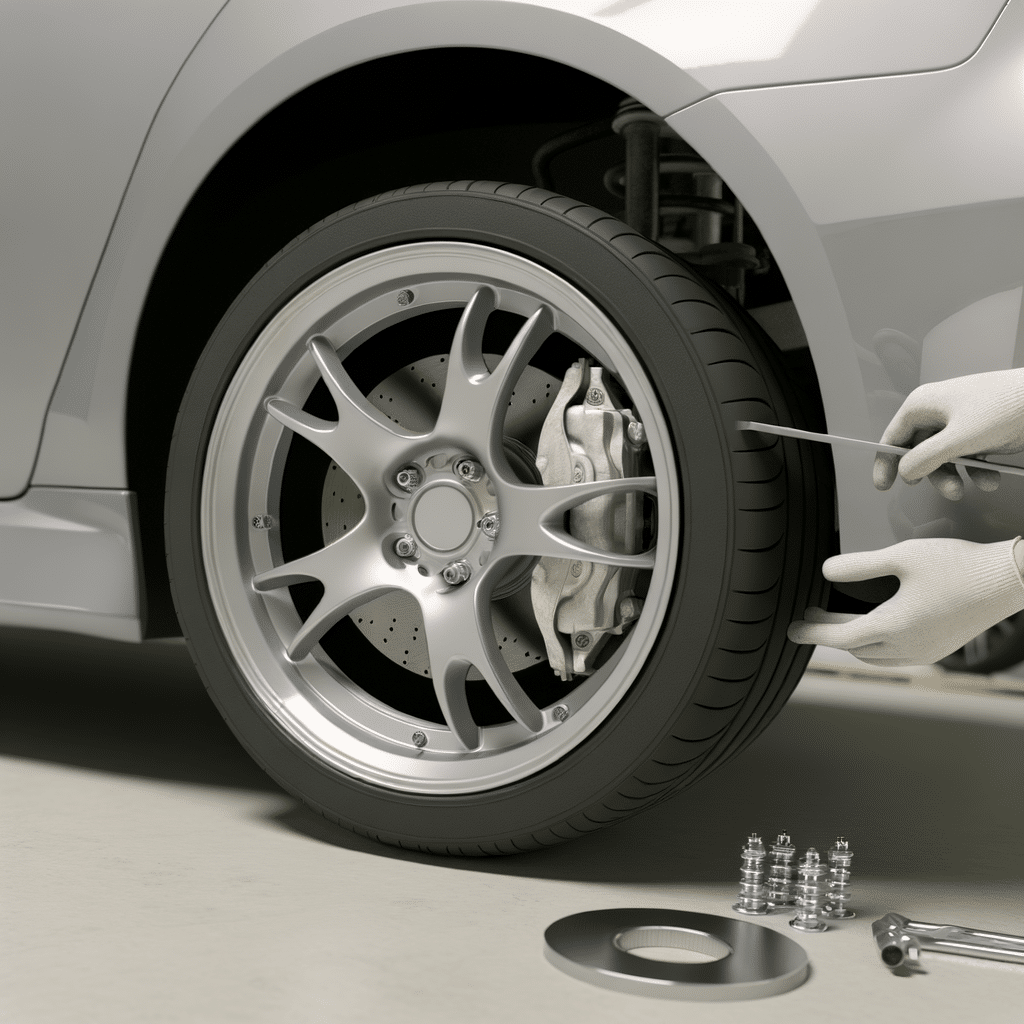
Wheel fitment is one of the most important parts of car mods. It changes how your car looks, how it drives, and how safe it is at speed. If the numbers are wrong, wheels can rub, shake, or even damage parts. The good news is that fitment basics are simple once you know what each number means.
What the modification or concept is
Car fitment means picking wheels and tires that sit in the right place inside the fender and line up correctly with the hub, brakes, and suspension. It is not only wheel size. It is a mix of wheel width, offset, bolt pattern, center bore, and tire size.
When people talk about “good fitment,” they usually mean:
- The wheel bolts on correctly and centers on the hub.
- The tire does not rub the fender or suspension.
- The wheel clears the brakes.
- The car drives straight with no vibration.
- The wheel sits how you want it, not sunk in or sticking out too far.
Why people do it
Most beginners start thinking about fitment when they want new wheels, wider tires, or a lower stance. Common reasons include:
- Style: Different wheel designs and a better “flush” look.
- Handling: Wider tires and better grip can improve cornering.
- Brake clearance: Some brake upgrades need more room inside the wheel.
- Ride and comfort choices: Different tire sidewall heights can change ride feel.
Fitment is also part of choosing mods in a smart order. If you are still learning the basics of changing parts without going too far, Avoid over-modding your car can help you keep the setup practical.
Things to know before starting
Know your current wheel and tire specs
Before buying anything, find the current specs. You can check the tire sidewall, the wheel markings (often on the back), or your car’s factory specs.
- Wheel diameter: Like 16, 17, 18 inch.
- Wheel width: Like 7J, 8J, 9J (in inches).
- Offset (ET): Like +45, +35, 0.
- Bolt pattern: Like 5×114.3 or 5×112.
- Center bore: The hole size in the wheel that fits over the hub.
- Tire size: Like 225/45R17.
Understand the key fitment terms
- Diameter: Must match tire size. Bigger diameter often means thinner tire sidewall.
- Width: Wider wheels can support wider tires, but need more space.
- Offset: How far the wheel face sits from the hub mounting surface. Higher positive offset usually tucks the wheel inward. Lower offset usually pushes it outward.
- Backspacing: Another way to describe how far the wheel goes inward. It is common in some markets.
- Bolt pattern (PCD): Must match your hub exactly.
- Center bore: If the wheel center bore is larger than the hub, you may need hub-centric rings. If it is smaller, the wheel will not fit.
- Load rating: Wheels and tires must handle the car’s weight.
Know what changes when you change wheel size
Changing wheel diameter or tire size can change the overall tire height. This can affect:
- Speedometer reading
- ABS and traction control behavior
- Gearing feel and acceleration
- Ride comfort
Tire size choice is part of fitment, not something to decide later.
Step-by-step explanation
1) Set your goal first
Decide what matters most: Looks, handling, comfort, or brake clearance. Your goal controls the wheel width, tire size, and offset range you should target.
2) Confirm the basics: Bolt pattern and center bore
- Match the bolt pattern exactly. No “almost fits.”
- Confirm the center bore. If the wheel is not hub-centered, you can get vibration.
- Check thread type and seat type. Some wheels use cone seat, others ball seat. Wrong seat type can loosen.
3) Pick a wheel diameter that makes sense
Many beginners go 1 inch larger than stock. Bigger can look good, but too big can hurt ride quality and increase damage risk from potholes. Keep in mind that larger wheels usually need lower profile tires.
4) Choose wheel width based on tire choice and clearance
Wheel width should match the tire width range. A very stretched tire or a very pinched tire can affect grip and safety.
- For daily driving, a mild setup is easier: A tire that fits the wheel normally.
- Wider wheels often need offset changes to avoid rubbing inside.
5) Use offset to place the wheel correctly
Offset is the main number that decides how the wheel sits.
- Too much positive offset: The wheel can hit suspension parts on the inside.
- Too little offset: The wheel can stick out and hit the fender on bumps.
Think of it as inside clearance and outside clearance. You need both.
6) Check brake and suspension clearance
Even if the wheel “fits,” it may not clear the brakes. Spoke design matters, not only diameter. Always check:
- Caliper clearance
- Inner barrel clearance
- Distance to strut, control arm, and sway bar links
7) Pick tire size to control overall height and rubbing
Tire size has three parts. Example: 225/45R17.
- 225: Tire width in mm
- 45: Sidewall height as a percent of width
- 17: Wheel diameter in inches
If you change wheel diameter, adjust the tire profile so overall height stays close to stock. This helps keep the speedometer closer to correct and reduces rubbing risk.
8) Think about alignment
Wheels that sit wider can change how alignment behaves. After installing new wheels and tires, many cars need an alignment check. Incorrect alignment can cause pulling and fast tire wear. If the steering feels odd after changes, do not ignore it.
9) Install correctly and torque the lug nuts
- Clean the hub face so the wheel sits flat.
- Hand thread lug nuts first to avoid cross-threading.
- Tighten in a star pattern.
- Torque to the correct spec for your car.
- Re-check torque after a short drive.
If you feel vibration at speed after a wheel change, balancing and hub centering are top suspects. If you also notice noises while turning, it may not be fitment at all, and something like front wheel grinding when turning should be checked right away.
Common mistakes to avoid
- Buying wheels only by diameter: Offset, width, and bolt pattern matter just as much.
- Ignoring center bore: Lug-centric mounting can cause vibration on some cars.
- Using spacers without a plan: Spacers change offset and can increase load on wheel bearings.
- Going too low-profile too fast: Very thin tires can ride harshly and bend wheels on potholes.
- Skipping clearance checks: A setup that fits parked can rub when the suspension compresses.
- Mixing lug seat types: Wrong lug nuts can loosen and damage the wheel.
- Not thinking about climate and roads: Rough roads, snow, and heavy rain can change what works well day to day. weather effects on car mods can help you match parts to real driving conditions.
Safety and legal considerations
Wheel fitment affects safety because it touches steering, braking, and stability.
- Tire rubbing is a safety issue: It can cut the tire sidewall over time.
- Wheels sticking out past the fender: Some areas have rules about tire coverage. It can also throw rocks at other cars.
- Load and speed ratings: Use tire ratings that match your vehicle needs.
- Steering lock clearance: Check full left and full right lock at low speed.
- TPMS sensors: Many cars need working tire pressure sensors to avoid warning lights and inspection problems.
If you feel new braking noise after changing wheels, do not assume it is normal. It may point to contact or a brake issue like brake squeal causes and fixes.
Final practical advice
Start with factory specs as your baseline, then make small changes. A mild wheel width increase and a sensible offset change are easier to live with than an extreme setup.
Before buying, write down your target wheel diameter, width, offset, and tire size. Then confirm three clearances: Inside suspension, outside fender, and brake caliper.
If you are building a full mod plan, it helps to group changes by purpose so parts work together. A simple way to think about it is: Wheels and tires first, then suspension, then power. If you want other easy early mods that pair well with wheels, Driving enjoyment car mods is a useful place to get ideas without going too far.


