


Car modding can be fun, but long-term ownership changes the goal. Instead of chasing the biggest change, focus on upgrades that keep the car reliable, comfortable, easy to service, and easy to live with for years. The best long-term mods are the ones you can maintain, remove, or repair without turning the car into a constant project.
What the modification or concept is
Modding for long-term ownership means choosing parts and changes that work with the car’s design, not against it. You aim for small, proven improvements, clean installs, and maintenance-friendly setups. The car should still start easily, drive smoothly in traffic, and stay dependable in hot, cold, and wet weather.
This approach usually focuses on:
- Reliability and wear items first (cooling, ignition, brakes, tires)
- Comfort and usability (lighting, seating position, phone mount, noise control)
- Handling balance (quality tires, alignment, mild suspension refresh)
- Simple, reversible cosmetic changes (clean fitment, factory-like look)
It also means thinking about the full system. A “small” change can create extra heat, extra load on electrical wiring, or faster wear on other parts.
Why people do it
People mod for long-term ownership because they want a car that feels better than stock without losing dependability. Common reasons include:
- Making an older daily driver feel fresh and solid again
- Fixing weak points the factory setup may have
- Improving comfort during commuting and road trips
- Reducing future repair headaches by using better parts and cleaner wiring
- Keeping the car enjoyable so it is worth maintaining long term
If you like the clean factory-plus look, OEM+ style explained fits long-term ownership well because it prioritizes subtle upgrades and tidy installs.
Things to know before starting
Before buying parts, be clear about how you use the car. A weekend car can tolerate downtime. A daily driver cannot.
Know your baseline condition
Mods do not fix worn parts. If the car already has issues like vibrations, leaks, weak charging, or overheating, solve those first. A modified car that is not healthy becomes harder to diagnose later.
Set a “reliability rule” for every mod
For each change, ask:
- Will this add stress (heat, load, vibration) to other parts?
- Can I service the car normally after installing it?
- Can I get replacement parts easily in the future?
- Is the install reversible without damage?
Understand mod types and trade-offs
Not all mods demand the same long-term commitment. Some are simple and low risk, like interior upgrades. Others change how the car behaves and wears. If you are comparing options, Visual mods vs mechanical mods can help you pick changes that match your skill level and tolerance for upkeep.
Choose parts with long-term support
Look for parts with clear fitment info, complete hardware, and realistic installation instructions. Avoid no-name electrical parts without proper connectors, fusing, or wire specs. For a practical approach to judging parts, use aftermarket parts basics as a reference point.
Plan for maintenance access
Long-term ownership is about future you. Leave room to access:
- Oil filter and drain plug
- Spark plugs and coils
- Battery and main grounds
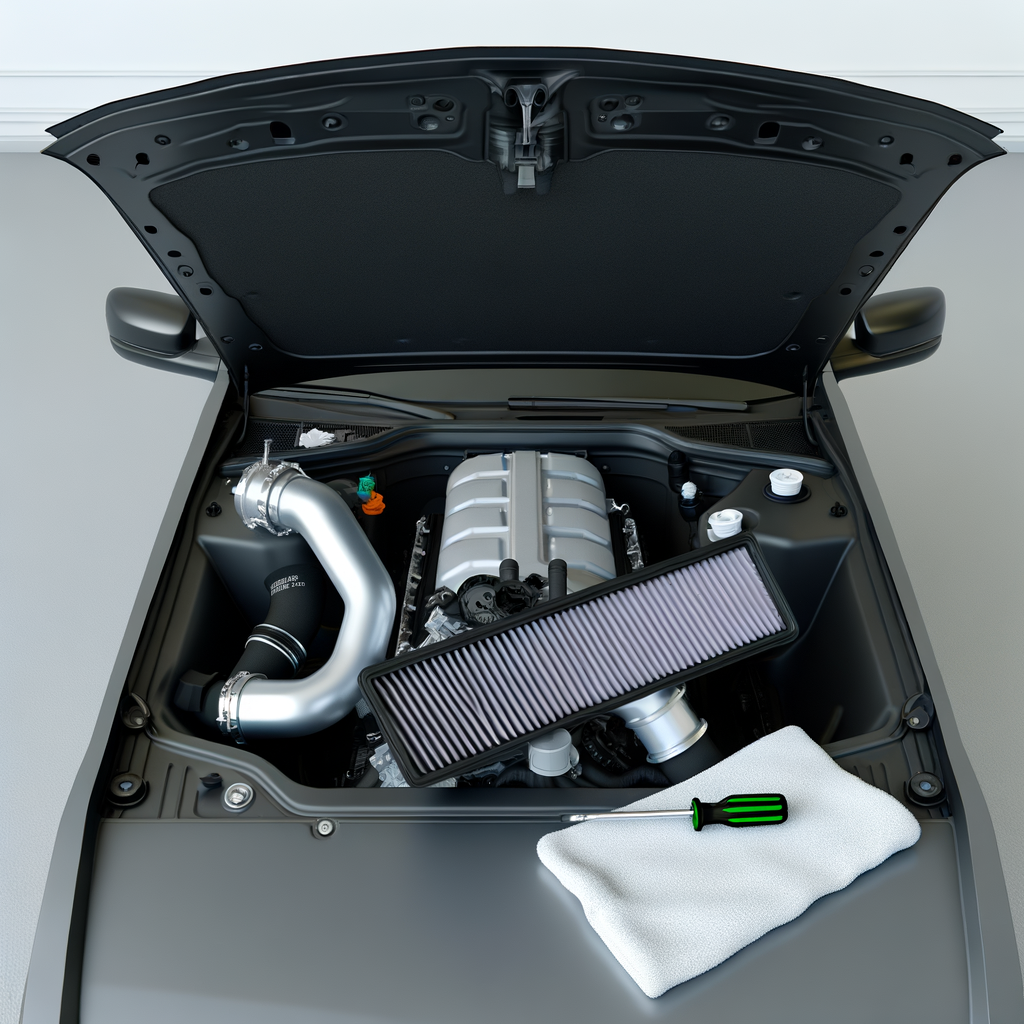
- Air filter and intake tubing
- Suspension bolts and alignment points
A clean layout makes future repairs faster and reduces the chance of broken clips, stripped bolts, and wiring damage.
Step-by-step explanation
1) Start with maintenance and inspection
Do a basic “known-good” reset before modding:
- Fluids at correct level and condition
- No warning lights
- Brakes feel consistent and straight
- Tires have good tread and even wear
- No odd noises over bumps or during steering
It also helps to check tire pressures regularly, since many handling complaints come from simple pressure issues. tire pressure monitoring for beginners is a good habit to add before you chase suspension changes.
2) Pick one goal at a time
Choose one primary goal and ignore the rest for now. Examples:
- Comfort: Reduce interior rattles, improve lighting, improve driver ergonomics
- Handling: Better tires and a proper alignment
- Reliability: Cooling refresh and aging sensors
- Clean look: Subtle exterior details and tidy interior pieces
One-goal modding prevents mixed setups, like stiff suspension on old shocks or added power on tired ignition parts.
3) Use a low-risk mod order
For long-term ownership, a safe order is:
- Reliability items and worn parts
- Tires and brakes
- Comfort and usability
- Handling refresh (bushings, shocks, mild springs if needed)
- Power modifications last, and only if the car is very healthy
Power mods can be dependable, but they raise the stakes. Extra heat and extra torque can speed up wear on cooling, clutch, mounts, and drivetrain parts.
4) Install with serviceability in mind
During installation, keep the car easy to work on:
- Use proper connectors and fuses for any electrical add-ons
- Route wiring away from heat, moving parts, and sharp edges
- Use grommets when passing through metal panels
- Use thread locker only where appropriate, and follow torque specs
- Label added wiring and keep a simple note of what you changed
Small cabin mods are a good place to practice clean installs. For example, using a solid mount helps avoid broken vents and loose cables later. Install car phone mount is the kind of simple upgrade that can improve daily use without adding mechanical risk.
5) Test in stages, then re-check
After any modification:
- Do a short test drive with no loud music so you can hear new noises.
- Check for leaks, rubbing, or loose hardware after the drive.
- Re-check bolts and clamps after a few days of normal driving.
Many problems show up after the first heat cycle, first rain, or first full steering lock.
Common mistakes to avoid
- Modding around problems: If the car pulls, vibrates, or overheats, fix the cause first.
- Changing too many things at once: When something feels wrong, you will not know what caused it.
- Going too stiff too fast: Very stiff springs or big wheels can make the car harsher and can stress bushings, ball joints, and interior trim.
- Skipping supporting parts: A “simple” upgrade can require better tires, better pads, better cooling, or a stronger mount.
- Messy electrical work: Twisted wires, cheap taps, and no fuses can create hard-to-find faults later.
- Ignoring maintenance changes: Some mods need different service intervals or different fluids. Track what changed.
Long-term ownership also means accepting limits. A realistic mindset helps you avoid buying parts that create more work than value. realistic expectations for car mods can keep choices grounded when you feel pressure to do “more.”
Safety and legal considerations
Some modifications can affect road safety and legality. Rules depend on your area, but these points are common:
- Lights: Headlights and brake lights must stay the correct color, brightness, and aim. Poor aiming can reduce visibility and blind other drivers.
- Tires and wheels: Use the correct load rating and keep tire clearance at full steering lock and full suspension travel.
- Suspension and ride height: Too low can cause rubbing, blown shocks, and unstable handling. It can also affect headlight aim and alignment.
- Brakes: Brake changes must be installed correctly and bedded in. Any soft pedal or pulling needs attention right away.
- Exhaust and emissions: Removing emissions equipment can be illegal and can trigger warning lights and inspection failures.
- Interior safety parts: Do not block airbags with mounts or trim pieces. Keep seat belts, seats, and anchors stock unless you fully understand the safety system.
Final practical advice
For long-term ownership, keep your mods simple, tidy, and easy to maintain. Aim for a car that still feels calm on a bad road and still works the same in six months as it did on install day. If a modification makes routine jobs harder, that cost adds up over time.
Keep a basic maintenance rhythm after you modify anything. Extra checks catch small issues before they become big ones. A helpful baseline is Modified car maintenance basics, especially if you start adding suspension parts, lighting, or any performance changes.
When in doubt, prioritize tires, brakes, and maintenance-friendly comfort upgrades. Those changes improve the driving experience every day and support the long life you want from the car.


