


- 🏎️ Understanding Car Modifications in 2026
- Performance Modifications
- Aesthetic Modifications: Making Your Mark
- Interior Enhancements: Comfort and Technology
- Legal Considerations and Safety
- Commonly Regulated Modifications
- Warranty Implications
- DIY vs. Professional Installation
- When DIY Makes Sense
- When to Call the Experts
- Budget-Friendly Modifications Under $1,000
- Electric Vehicle Modifications in 2026
- Planning Your Modification Journey
- Common Mistakes to Avoid
- The Future of Car Modification
- Conclusion
As we enter 2026, car modification has become an exciting mix of technology, creativity, and performance upgrades. Whether you want to improve your car’s power, change its look, or build something that truly shows your personality, this guide will help you understand everything about modifying cars in today’s modern world.
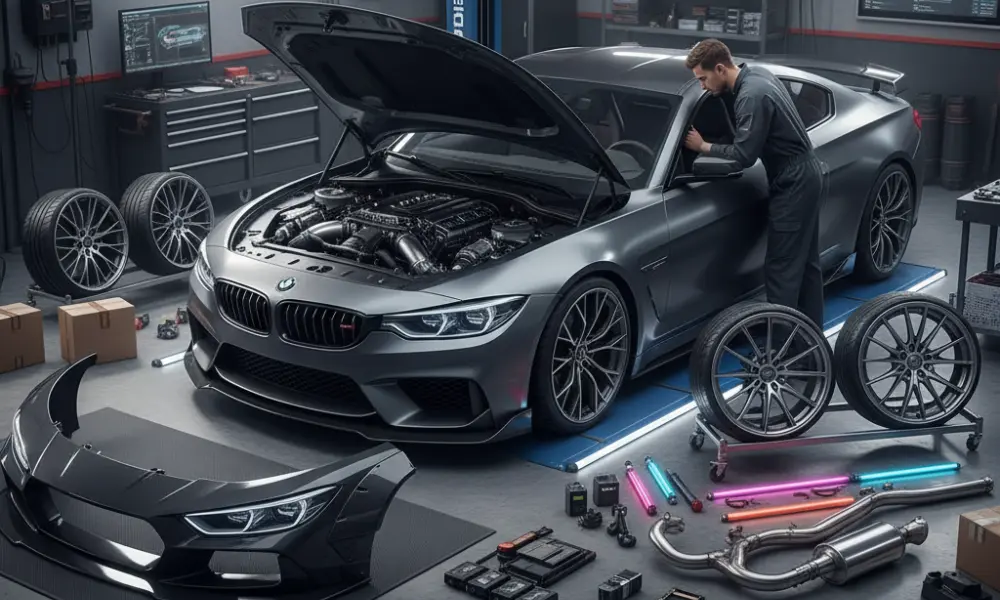
🏎️ Understanding Car Modifications in 2026
Car modifications, often called mods, are no longer just about looks. Modern car enthusiasts now use advanced tools like AI based inspection systems and smart ECU tuning software to make their cars faster, safer, and more unique.
The global car modification market is expected to reach $20.7 billion by 2030, growing at about 7% per year.
This growth shows how more people are choosing to personalize their vehicles.
Performance Modifications
Engine Control Unit (ECU) Tuning
Modern cars work like computers, and the ECU acts as the brain that controls the engine. ECU tuning means adjusting the software to improve performance beyond factory limits. This can give amazing results, especially for turbocharged engines, where you can often see power increases of 20% to 40%.
Key Benefits:
- More horsepower and torque
- Faster throttle response and acceleration
- Better fuel efficiency through improved fuel mapping
- Removal of factory speed limiters
- Better compatibility with aftermarket upgrades
ECU tuning usually comes in stages. Stage one improves performance using your existing setup. Stage two and higher include extra upgrades like better exhaust systems, intercoolers, and air intakes. Some of the most trusted tuning systems are HP Tuners for GM, Ford, and Dodge, Cobb Accessport for Subaru and Mazda, and Hondata for Honda and Acura.
Turbochargers and Superchargers
If you want a big increase in power, adding a turbocharger or supercharger can make a huge difference. These systems push more air into the engine, increasing performance and power. However, they need to be installed carefully, and the ECU must be properly tuned to keep everything running safely.
Installation Considerations:
- Secure mounting of brackets and units
- Proper drive belt alignment and tension
- Intercooler installation if included
- Complete hose, piping, and clamp installation
- ECU programming for fuel air ratio, ignition timing, and boost control
Suspension Upgrades
Upgrading your suspension can completely change the way your car feels and handles. It improves cornering, balance, and gives the car a lower, sportier stance. Coilovers are especially popular in 2026 because they let you adjust ride height and stiffness to match your driving style.
High quality suspension systems like BC Racing coilovers for 2015 to 2026 Mustang models offer easy access knobs for adjusting compression and rebound, along with separate ride height settings. For those who want top level performance, advanced options like Ohlins TTX 4 Way coilovers provide professional level tuning control.
Cold Air Intake Systems
A cold air intake is one of the easiest and most effective performance upgrades you can make. It helps your engine breathe cooler, denser air, improving combustion efficiency and unlocking extra horsepower and torque. Pairing it with ECU tuning amplifies the benefits, delivering quicker throttle response and a deeper, sportier engine note.
However, quality is key. Avoid cheap, poorly designed kits, they can disrupt airflow and actually hurt your performance instead of helping it.
Exhaust System Upgrades
Upgrading your exhaust system not only enhances your car’s sound but also boosts performance by improving airflow and reducing back pressure. A well engineered system can free up a few extra horsepower while giving your ride that aggressive tone enthusiasts crave.
Brake Upgrades
More power means you will need better stopping power. Performance brake kits provide superior bite, fade resistance, and shorter stopping distances.
Whether you upgrade to high performance pads and rotors or invest in a complete big brake kit, you will notice a major improvement in control and confidence.
Aesthetic Modifications: Making Your Mark
Vinyl Wraps and Custom Paint
Vinyl wraps have exploded in popularity for 2026, offering full color changes or custom graphics without committing to permanent paint. They are reversible, affordable, and available in nearly endless finishes such as matte, metallic, chrome, and even color shifting effects.
2026 Color Trends:
- Satin Greige Mist for refined, modern sophistication
- Gloss Atomic Teal for bold EV aesthetics
- Personalized signature finishes that reflect individual identity
The rise of electric vehicles has fueled creativity, turning minimalist body designs into canvases for individuality through wraps and PPF enhancements.
Custom Wheels and Rims
Wheels make one of the biggest visual statements, and in 2026, bigger is better. Expect 22 inch and 23 inch wheels to dominate SUVs, performance coupes, and luxury sedans.
Advanced manufacturing, like 3D forging and CNC machining, allows for lightweight yet strong designs with stunning detail.
Trending Wheel Technologies:
- Carbon fiber wheels for ultra lightweight properties
- Hybrid tech wheels combining materials for optimal performance
- Monoblock minimalism with clean lines and bold sculptures
Lightweight wheels do not just look great. They also reduce unsprung mass, improving handling, braking, and even fuel efficiency.
Lighting Upgrades
LED lighting continues to define modern automotive style. Upgrading your headlights, taillights, and interior lighting can transform your car’s personality while enhancing safety.
Popular Lighting Mods:
- LED headlight conversions for improved visibility
- Sequential turn signals for modern JDM aesthetics
- Interior ambient lighting with customizable colors
- Underbody LED strips from brands like Govee or Diode Dynamics
Body Kits and Aerodynamic Enhancements
Add attitude and functionality with aerodynamic upgrades. Front splitters, rear diffusers, and side skirts not only sharpen your car’s look but also improve airflow and stability at higher speeds.
Window Tinting
Window tinting is a sleek finishing touch that offers both style and function. It enhances your car’s silhouette, increases privacy, reduces interior heat, and blocks harmful UV rays.
Just be sure to check local tint laws, most regions have restrictions on how dark you can tint your front windows and windshield.
Interior Enhancements: Comfort and Technology
Infotainment System Upgrades
By 2026, infotainment technology will have become far more advanced, with most new cars featuring large touchscreens and full connectivity. For older vehicles, aftermarket systems can add modern features such as wireless Apple CarPlay, Android Auto, navigation, and smartphone syncing.
Trending Features:
- Google built in with Assistant and maps
- Wireless charging pads
- Multiple USB C ports throughout the cabin
- OnStar and Wi Fi hotspot capability
Interestingly, some carmakers like Hyundai are bringing back physical buttons along with touchscreens. This helps drivers stay focused on the road and improves safety.
Seat Upgrades
Replacing factory seats with ergonomic or sport seats can greatly improve comfort, especially during long trips or spirited driving. Performance seats also provide better side support during cornering and give the interior a more premium, sporty look.
Steering Wheel Replacement
Upgrading to a custom steering wheel can improve grip, control, and style. For cars with manual transmissions, pairing them with a short shifter can create a more exciting and responsive driving feel.
Interior Lighting and Trim
LED ambient lighting can completely change your car’s interior mood by letting you choose different colors and brightness levels. Adding custom upholstery, carbon fiber trim pieces, and upgraded pedals can give your cabin a truly personalized touch.
Legal Considerations and Safety
Before making any modifications, it is important to understand your local laws. Rules can differ widely depending on where you live, and illegal mods can lead to fines, failed inspections, or even vehicle impoundment.
Commonly Regulated Modifications
Illegal or Restricted Modifications:
- Excessively dark window tints must meet minimum light transmission requirements
- Loud exhaust systems exceeding noise limits
- Suspension modifications altering vehicle height beyond legal limits
- Removal or disabling of airbags
- Modifications to emission control systems
- Tampered chassis numbers or vehicle identifiers
Generally Legal Modifications with approved parts:
- Wheel and rim upgrades maintaining proper tire diameter
- Stylized rocker panels not compromising structural integrity
- Spoilers and body kits not exceeding vehicle width or obstructing lights
- Cold air intakes meeting emissions standards
- Performance exhaust systems within noise limits
- Aesthetic modifications like wraps and lighting meeting safety standards
Warranty Implications
Many car owners worry that modifying their vehicle will automatically cancel the warranty, but that is not always true. In most cases, your warranty will only be affected if the problem is directly caused by the modification.
In the U.S., the Magnuson Moss Warranty Act protects consumers from having their entire warranty voided just because they added aftermarket parts. However, any parts or systems that are damaged as a result of those modifications may not be covered.
Modifications That May Affect Warranty:
- Performance chips and ECU tuning
- Turbochargers and superchargers
- Suspension modifications
- Engine internals changes
- Exhaust system replacements
Warranty Friendly Modifications:
- Exterior cosmetic changes
- Quality lighting upgrades not modifying the electrical system
- Aerodynamic additions
- Interior accessories
Always inform your insurance provider about modifications, as some changes may affect your premium or coverage.
DIY vs. Professional Installation
Deciding whether to tackle modifications yourself or hire professionals depends on your skill level, the tools available, and the complexity of the modification.
When DIY Makes Sense
Good DIY Projects:
- Vinyl wraps start with smaller areas like the roof
- Cold air intake installation
- LED lighting upgrades
- Floor mats and interior accessories
- Basic cosmetic modifications
- Tire and wheel changes with proper balancing
Benefits of DIY:
- Significant cost savings on labor
- Learning experience and skill development
- Personal satisfaction from hands on work
- Flexibility to work on your schedule
When to Call the Experts
Professional Installation Recommended:
- ECU tuning and remapping
- Turbocharger or supercharger installation
- Suspension systems and coilovers
- Performance exhaust systems
- Brake system upgrades
- Complex electrical modifications
Benefits of Professional Installation:
- Expert knowledge and experience
- Advanced diagnostic equipment
- Quality guarantees and warranties
- Legal compliance assurance
- Safety and proper calibration
Professional shops maintain detailed databases of manufacturer specifications and can optimize your vehicle’s performance while maintaining reliability.
Budget-Friendly Modifications Under $1,000
You don’t need a huge budget to upgrade your car and make noticeable improvements. In 2026, there are plenty of affordable modifications that can enhance your car’s looks, performance, and comfort, all for under $1,000:
Performance Mods
- Intake and exhaust combo ($500-$900)
- ECU tune or remap ($300-$600)
- Performance brake pads and rotors ($400-$800)
Stance and Style
- Coilovers or lowering springs ($300-$900)
- Wheels and tires ($500-$1,000)
- Strut bars and chassis bracing ($100-$400)
Aesthetic Upgrades
- LED lighting upgrades ($100-$500)
- Lip kits, splitters, and diffusers ($200-$700)
- Vinyl wrap for smaller sections ($200-$600)
Interior Enhancements
- Steering wheel and short shifter combo ($300-$700)
- Sport seats (used market) ($400-$800)
- Custom floor mats and pedals ($100-$300)
Electric Vehicle Modifications in 2026
With 2026 being hailed as “the year of the used EV,” modification opportunities for electric vehicles are expanding. EV modifications focus on different aspects than traditional internal combustion vehicles.
Popular EV Mods
- Suspension upgrades (coilovers designed specifically for EV weight distribution)
- Wheel upgrades (lightweight options to maximize range)
- Interior technology enhancements
- Exterior aesthetics (wraps, PPF, lighting)
- Performance software updates
Carbon fiber wheels have become particularly popular for EVs due to their ultra-lightweight properties, which directly impact range and efficiency.
Planning Your Modification Journey
Step 1: Define Your Vision
Decide whether you want a show car, performance machine, daily driver, or balanced build. This clarity will guide every decision.
Step 2: Set Priorities
Create a prioritized list of modifications. This prevents overwhelm and helps with financial planning.
Step 3: Understand Costs
Research expected costs for each modification and add 10% for unforeseen expenses. There will always be surprises.
Step 4: Choose a Design Theme
Maintain consistency in your modifications. Mixing incompatible styles can result in a confused aesthetic.
Step 5: Research Quality Parts
Invest in reputable brands and quality components. Cheap parts often lead to poor performance, safety issues, or premature failure.
Step 6: Consider Resale Value
While personalization is important, avoid overly polarizing modifications if you plan to sell the vehicle eventually.
Common Mistakes to Avoid
Over-Modification
Adding too many modifications, especially performance upgrades, can lead to reliability issues and uncomfortable daily driving.
Neglecting Regular Maintenance
Modified cars often require more frequent and specialized maintenance. Stay on top of maintenance schedules.
Skipping Legal Research
Always check local laws before making modifications. Illegal mods can result in fines and failed inspections.
DIY Complex Projects
Know your limits. Incorrectly installed parts can cause severe damage and create safety risks.
Ignoring Balance
When enhancing engine power, remember to upgrade brakes, suspension, and tires accordingly for a balanced, safe vehicle.
The Future of Car Modification
- AI-Powered Tools: Advanced diagnostic and inspection technologies are making modifications more precise
- Sustainability Focus: Eco-friendly modifications and electric vehicle conversions are gaining popularity
- Digital Integration: Connectivity and software-based modifications are becoming more prominent
- Personalization Priority: The shift from pure performance to style-focused modifications continues, with a new generation prioritizing self-expression
Conclusion
Car modification in 2026 gives you countless ways to personalize your vehicle, whether you want more power, a better look, or improved comfort and features. By understanding your options, following local laws, and using trusted parts, you can build a car that truly represents you while staying safe and reliable.
Think of modifying your car as an ongoing journey rather than a one-time project. Start with a clear plan, focus on quality upgrades, and get professional help when needed. Whether it’s your first cold air intake or a full show car build, enjoy the process and take pride in creating something that’s truly your own.
With smart planning, good-quality parts, and careful attention to safety and legal details, your custom car can bring years of excitement and satisfaction while showcasing your personal style and passion for cars.


