


Car modding talk can sound like another language. People throw around short forms and terms like “cat-back,” “offset,” or “tune” and new owners feel lost fast. The good news is: Most terms are simple once you know what part of the car they relate to and what changes they make. Below is a beginner-friendly glossary style guide, but written in a practical way so you can use the words correctly when shopping, talking to a shop, or doing basic DIY work.
What the modification or concept is
Car modification terminology is the set of common words used to describe changes to a vehicle. A “mod” can be visual (how the car looks), mechanical (how it drives), or comfort-related (how it feels inside). Many terms describe:
- Where a part sits on the car
- What the part changes (sound, ride height, handling, airflow)
- How “big” the change is (basic bolt-on vs custom work)
- Which version of a part fits your exact model
It also includes short forms used in forums and parts listings. If you know the key terms, you can avoid ordering the wrong part and avoid unsafe combos.
If you are still separating mod types in your head, it helps to start with Visual mods vs mechanical mods so the terminology feels more organized.
Why people do it
People learn mod terms for the same reason they learn basic tool names: It saves time and prevents mistakes. It also helps because:
- You can explain what you want clearly to a shop
- You can compare parts that sound similar but are not the same
- You can spot missing info in a listing (like wheel center bore, offset, or model year fitment)
- You can set realistic expectations before spending money or time
Even simple changes like wheels, lights, or interior pieces come with specific words. Knowing them helps you keep the car reliable while you change it.
Things to know before starting
Before learning a long list of terms, lock in a few basics that affect every build.
OEM vs aftermarket vs OEM+
- OEM: Original parts from the car maker.
- Aftermarket: Parts made by other companies.
- OEM+: Aftermarket parts that keep a factory-like look and feel, just cleaner or better.
If you like subtle changes, OEM+ style explained is a useful way to think about choices.
Bolt-on vs custom
- Bolt-on: Installs using normal mounting points. Usually removable.
- Custom: Needs cutting, welding, drilling, or fabrication.
Bolt-on parts are usually safer for beginners because you can return to stock if something goes wrong.
Fitment and compatibility
Fitment means the part matches your car’s body, engine, and mounting points. Two cars that look the same can still have different fitment due to trim level, engine option, model year, or market.
It helps to understand basic parts shopping language like “direct fit,” “universal,” and “requires modification.” For a deeper look at buying terms, aftermarket parts basics is a solid foundation.
Step-by-step explanation
Use this simple process to decode most mod terms you see online or hear at a shop.
1) Identify the system: Engine, suspension, wheels, brakes, exhaust, or interior
Most terms belong to one system. If you first decide “this is a wheel term” or “this is an exhaust term,” you cut the confusion in half.
2) Learn the key wheel and tire terms (they cause the most confusion)
- Wheel size: Written like 18×8.5. That means 18-inch diameter and 8.5-inch width.
- Offset (ET): How far the wheel mounting face is from the wheel centerline. Higher offset usually tucks the wheel inward. Lower offset usually pushes it outward.
- Backspacing: Similar idea to offset, often used on some trucks. It measures from the mounting face to the inner wheel lip.
- PCD / Bolt pattern: Lug layout, like 5×114.3. Wrong bolt pattern means the wheel will not mount.
- Center bore: The hole in the wheel that fits over the hub. If it is larger, you may need hub-centric rings.
- Hub-centric vs lug-centric: Hub-centric wheels center on the hub. Lug-centric wheels center using the lug nuts.
- Tire size: Like 225/45R17. That means 225 mm width, 45 sidewall ratio, radial construction, and 17-inch wheel diameter.
- Load rating and speed rating: Must match your vehicle needs.
Fitment also affects rubbing. Rubbing is when the tire hits the fender liner, fender edge, suspension, or bumper at turns or bumps.
3) Understand common suspension terms
- Lowering springs: Shorter springs that reduce ride height. They usually keep stock shocks at first, but may wear them faster.
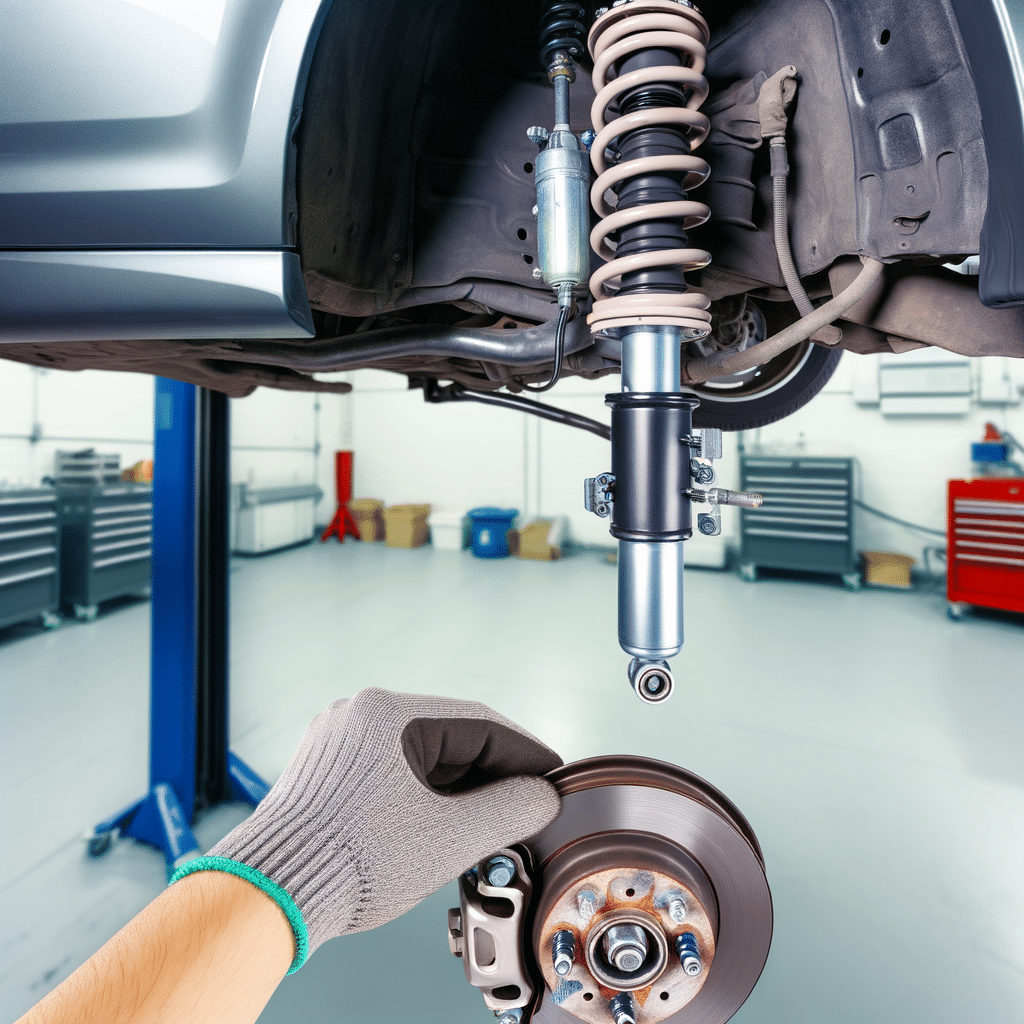
- Coilovers: Adjustable shocks with springs mounted together. Many allow height adjustment, and some allow damping adjustment.
- Damping: How fast the suspension compresses and rebounds. Wrong damping can feel bouncy or harsh.
- Camber: Wheel tilt in or out at the top. More negative camber can help cornering but can wear tires faster if excessive.
- Toe: Direction the front of the tires point in or out. Bad toe can destroy tires quickly.
- Sway bar (anti-roll bar): Helps reduce body roll in corners.
- Alignment: Setting camber, caster, and toe to correct specs for tire wear and handling.
4) Decode exhaust terms (sound and flow)
- Cat-back: Exhaust parts from the catalytic converter back. Usually changes sound and sometimes flow.
- Axle-back: From the rear axle area back, mainly sound.
- Header / manifold: Bolts to the engine. Changes flow and sound, often needs tuning.
- Downpipe: Exhaust section after the turbo on turbo cars. Often a major change for flow.
- Muffler: Reduces noise.
- Resonator: Smooths tone and reduces drone.
- Drone: Low-frequency cabin sound at steady speeds, often on the highway.
5) Learn intake, tuning, and engine control words
- Intake: Changes the air path into the engine. Can change sound, and sometimes response.
- MAF (mass airflow sensor) and MAP (manifold absolute pressure): Sensors that help the engine computer measure air. Wrong parts or leaks can cause drivability issues.
- Tune: Adjusting ECU settings for fuel, timing, boost, and other maps.
- ECU/PCM: The main engine computer.
- Flash tune: Loading a new tune into the ECU.
- Piggyback: A device that changes sensor signals without fully rewriting the ECU.
- Boost: Turbo or supercharger pressure. More boost usually needs supporting mods and careful tuning.
If warning lights show up after changes, terms like “codes,” “pending code,” and “drive cycle” start to matter. If the car feels fine but a light appears, check engine light causes can help you sort common reasons.
6) Know the basic interior and electrical terms
- Trim piece: Decorative panels on dash, doors, and consoles.
- Clip / fastener: Plastic pieces that hold panels in place.
- Rattle: A vibration noise from panels or loose items.
- Fuse: Electrical protection device. If you add powered accessories, fuse terms matter.
Many beginners start with small interior changes. If panels start moving or buzzing after work, Fix loose interior panels is a practical skill to have.
Common mistakes to avoid
- Mixing up offset and wheel width: Both change where the tire sits. People often blame offset alone.
- Skipping alignment: Any ride height change can shift toe and camber.
- Chasing sound without thinking about drone: Loud outside can be tiring inside.
- Buying “universal” parts without measuring: Universal often means extra work and imperfect fit.
- Adding power mods without support mods: More heat and stress can expose weak points.
- Ignoring maintenance vocabulary: Modified cars need routine checks and tighter schedules.
It helps to build a maintenance habit early. Modified car maintenance basics covers the common checks that matter after changes.
Safety and legal considerations
Some terms connect directly to road safety and local rules. Keep these points in mind:
- Emissions equipment: Removing or altering catalytic converters or emission controls can be illegal in many places and can trigger warning lights.
- Lighting rules: Headlight color, brightness, and aiming may be regulated. Poor aim can blind other drivers.
- Tire fitment: Tires that rub can cut sidewalls. Wheels that stick out past fenders can be illegal in some areas.
- Noise limits: Some areas ticket loud exhaust setups, especially without mufflers or with certain pipe designs.
- Brake balance: Random pad or rotor changes can affect stopping feel. Always bed pads correctly and test in a safe area.
Final practical advice
When you see a new term, tie it to three quick questions: What system is it in, what does it change, and what other parts does it interact with? If you can answer those, you are already thinking like a careful builder.
Also keep a simple notes list of your current specs: Wheel size and offset, tire size, suspension parts, and any engine changes. Many shops and parts sites ask for this info, and it prevents confusion later.
Lastly, start with changes that are easy to reverse and easy to inspect. Small wins build confidence, and your terminology knowledge will grow naturally as you work on the car.


