


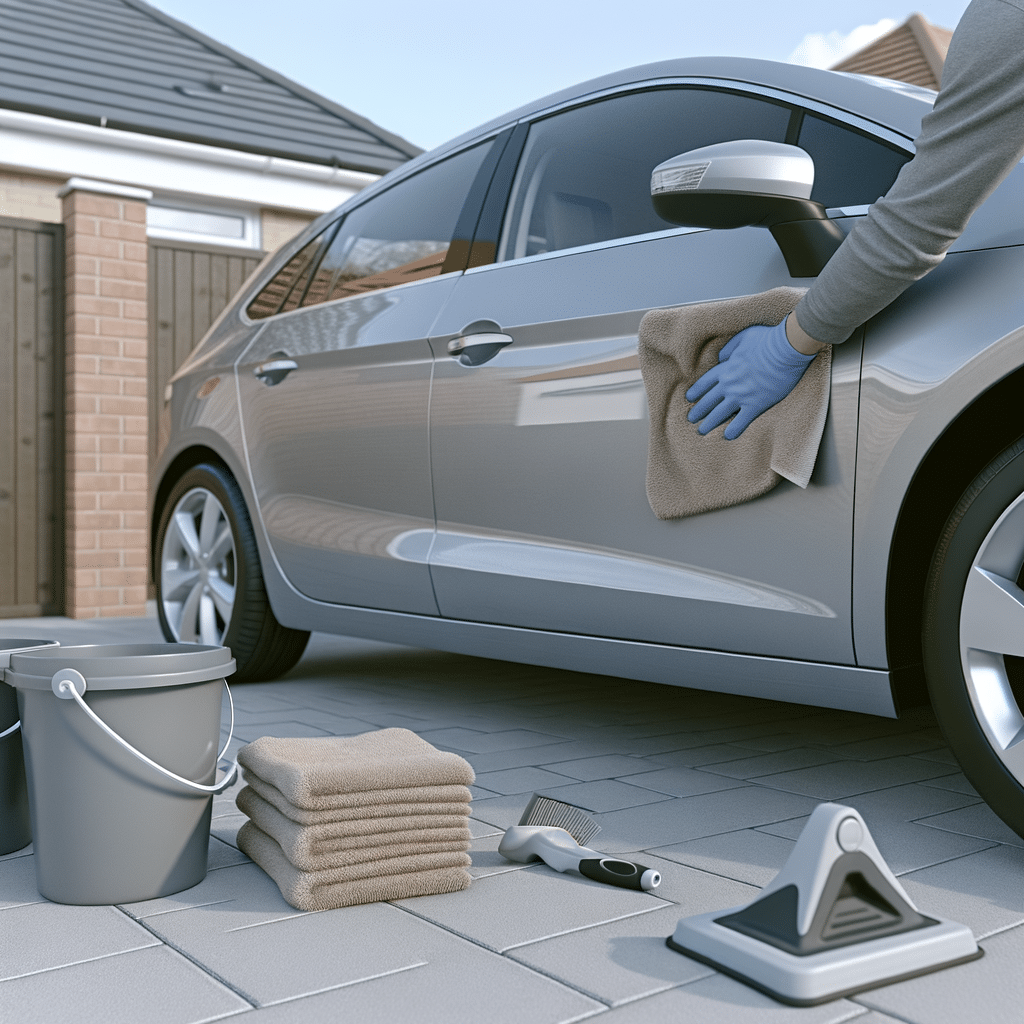
Keeping a car clean every day does not mean doing a full detail all the time. The goal is simple: remove the stuff that causes wear, bad smells, and poor visibility. With a few small habits, your car can stay tidy, feel nicer to drive, and be easier to wash later.
Daily cleaning is about quick, light work. It focuses on touch points, glass, and loose dirt. It also avoids the common problem of over-cleaning, like scrubbing too hard or using strong chemicals too often.
What the concept is
Daily car cleaning basics are small tasks you can do in 2 to 10 minutes. These tasks keep dirt from building up on the paint, inside the cabin, and on the windows. It is not a deep wash. It is not paint correction. It is upkeep.
Think of it like brushing your teeth, not going to the dentist. You remove light dirt often, so you do not need heavy cleaning as much.
Why people do it
People keep up with daily cleaning for a few practical reasons:
- Better visibility: Cleaner glass and mirrors help in sun, rain, and night driving.
- Less wear inside: Removing grit protects plastics, leather, fabric, and carpets.
- Paint lasts longer: Bird droppings, bugs, and road film can harm clear coat if left too long.
- Less smell: Trash, food crumbs, and damp mats can create bad odors fast.
- Faster wash days: When the car stays “mostly clean,” weekly washing is quicker and safer for the paint.
Things to know before starting
Daily cleaning works best when you keep tools simple and avoid harsh products.
Pick a small set of tools
- Microfiber towels: Keep at least two in the car. One for interior, one for glass.
- Small trash bag or bin: This solves most “messy car” problems.
- Soft interior duster or detailing brush: Good for vents, buttons, and seams.
- Waterless wash or quick detail spray: Only for light dust, not heavy mud.
- Small handheld vacuum: Optional, but helpful if you have pets or kids.
Know what “overdoing it” looks like
- Wiping dusty paint hard with a dry towel (can scratch).
- Using strong cleaners on screens, leather, or coated trim too often.
- Cleaning hot paint in direct sun and getting streaks or spots.
- Spraying products into buttons, vents, or speakers.
Work with the right timing
Try to do quick cleaning when the car is cool and parked in shade. Hot panels make sprays flash dry and leave marks. If you just drove, give the car a few minutes to cool down.
Step-by-step explanation
Use this daily routine as a base. On some days you might only do steps 1 to 3. That is fine.
1) Do a 30-second walk-around
Look for problems that should be handled right away:
- Bird droppings or bug splatter on paint
- Tree sap spots
- Dirty headlights, mirrors, and backup camera lens
- Low tire look (quick visual check)
2) Remove trash first
Take out cups, wrappers, receipts, and anything that can smell. This makes every other task easier. If you keep a small trash container in the door pocket, empty it often.
3) Clear the driver area
Clean the parts you touch most:
- Steering wheel
- Shifter and buttons
- Door handle area
- Center console
Use a lightly damp microfiber towel or an interior-safe cleaner on the towel, not sprayed directly on the surface. For a simple upgrade that also helps grip and feel, a Steering wheel cover installation is easier to keep clean than worn, shiny steering wheel material.
4) Do the glass that matters most
Daily cleaning should focus on safety. Clean these areas first:
- Inside of the windshield (light haze builds up fast)
- Side mirrors
- Driver window
- Backup camera lens (use a clean, soft towel)
Use a clean microfiber towel for glass. If you have streaks, flip the towel to a dry side and buff lightly.
5) Quick vacuum: only the high-dirt zones
You do not need to vacuum the whole car daily. Hit the spots that collect grit:
- Driver floor mat
- Pedal area and dead pedal area
- Front cup holders and console edges
If the wipers smear and the windshield is dirty often, it may be time for new blades. Replace wiper blades at home takes a few minutes and helps visibility in rain.
6) Handle paint “emergencies” the safe way
Some messes should not wait for wash day. Bird droppings and bugs can stain paint. The key is to be gentle.
- Spray a waterless wash or quick detail spray on the spot.
- Let it soak for 20 to 60 seconds.
- Wipe using very light pressure with a clean microfiber.
- Use a second towel to buff the area.
If the car is very dusty or gritty, skip wiping the paint and wait for a proper wash. Rubbing grit around is how swirls start.
7) Keep the air fresh without heavy fragrances
Bad smells usually come from trapped moisture and old debris, not a missing air freshener. Simple daily habits help:
- Shake out the driver mat if it is wet or sandy
- Do not leave food in the car
- Crack the windows for a minute after a wet drive (when safe)
If airflow smells musty or weak, the cabin filter may be dirty. DIY cabin air filter replacement is one of the easiest maintenance tasks to keep the interior air cleaner.
Common mistakes to avoid
- Dry-wiping dusty paint: This can create fine scratches. Use lubricant spray or wait for a wash.
- Using one towel for everything: A towel used on dirty door jambs should not touch glass or screens.
- Overusing shiny interior dressings: Too much product can make surfaces slippery and attract dust.
- Scrubbing touchscreen displays: Use a clean microfiber and gentle pressure. Do not use rough paper towels.
- Ignoring floor mats: Grit on mats gets dragged into carpets and wears them faster.
- Cleaning wheels daily with strong chemicals: This can dull finishes over time. Save wheel deep cleaning for wash days.
Safety and legal considerations
Do not clean the car while it is running in a closed garage. Also avoid wiping or spraying products near hot engine parts after driving.
Keep the driver footwell clear. Loose bottles or tools can roll under the pedals and create a serious hazard. Good visibility is also a safety issue, so make glass and mirrors a priority.
If you notice a strong odor after driving, stop and inspect before continuing. A weird smell can be a warning sign. If it seems like something hot or burning, start with burning smell causes and fixes to narrow down what needs attention.
Only park where it is allowed when doing quick cleaning, and do not block traffic or fire lanes.
Final practical advice
Keep daily cleaning small and repeatable. The best routine is the one you can do even on busy days: remove trash, wipe touch points, clean the windshield, and shake out the mat.
Save heavy work for weekly or monthly sessions. Daily scrubbing and constant chemical use can wear surfaces faster than light dirt does. When in doubt, do less, use clean towels, and avoid rubbing grit on paint.
Store your basics in a small tote in the trunk so they do not slide around. Two clean microfiber towels and a small trash setup can make the biggest difference with the least effort.


