


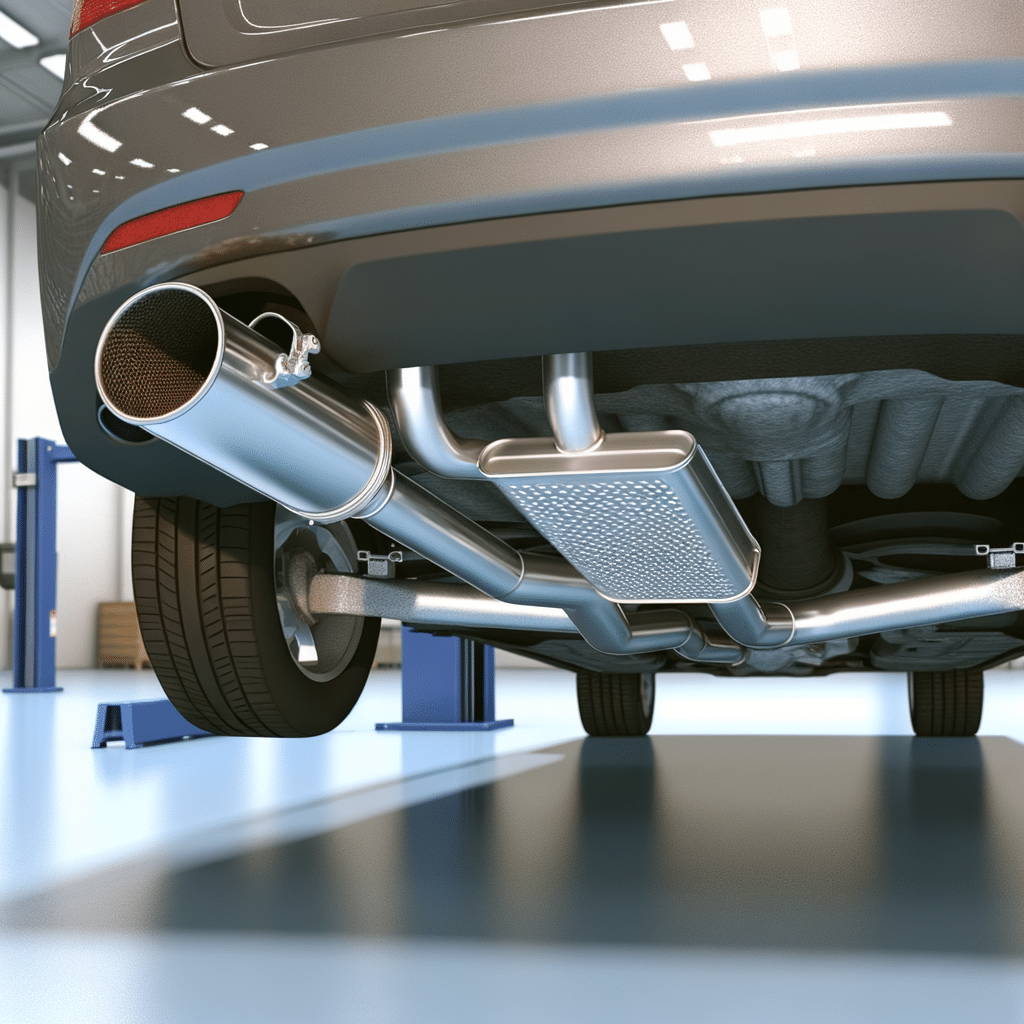
An exhaust note is one of the first things people notice about a car. Some sounds are deep and smooth. Others are sharp and loud. Picking the right sound is not just about volume. It is about the tone, how it fits your driving, and how it works with your car.
The goal is simple: get a sound you like without making the car annoying, unsafe, or illegal. A good setup can sound sporty while still being comfortable for daily use.
What the modification or concept is
The exhaust note is the sound made when exhaust gases leave the engine and travel through the exhaust system. The main parts that shape the sound are:
- Exhaust manifold and downpipe: Where flow starts. Design and diameter change tone and volume.
- Catalytic converter: Helps reduce emissions and also quiets and smooths the sound.
- Resonator: Targets certain tones and reduces rasp or drone.
- Muffler: The main sound control part. It changes loudness and deepness.
- Exhaust piping: Diameter and routing affect volume, pitch, and drone.
- Exhaust tip: Small effect, but can slightly change how the sound exits.
Changing any of these parts can change the sound. Some changes are small and safe. Others can create harsh noise, drone, or trouble with emissions laws.
Why people do it
People change exhaust sound for a few practical reasons:
- Driving feel: A clearer engine sound can make shifting and throttle control feel easier.
- Personal preference: Some want a deep rumble, others want a higher sporty tone.
- Match the build style: Sound is part of the full setup, like wheels, tires, and suspension. If you are balancing multiple changes, Balancing looks and performance mods can help keep choices practical.
- Possible performance support: Some exhaust changes reduce restriction, but sound parts alone do not always add power.
For beginners, the safest goal is: improve tone first, keep volume reasonable, and avoid parts that cause warning lights.
Things to know before starting
Your engine type strongly affects sound
Two cars with the same exhaust parts can sound very different. Engine layout changes the base tone.
- Inline-4: Often higher pitch. Can get raspy if the setup is too open.
- V6: Can be smooth or “blended” sounding. Some setups create drone if the muffler is too small.
- V8: Often deep and pulsing. Easy to get loud quickly.
- Turbo engines: Turbo acts like a muffler. You may hear more whoosh and less raw exhaust.
Volume and tone are different
Loud does not always mean good. Tone is the character of the sound, like deep, smooth, crisp, raspy, or boomy. Many people regret setups that are loud but rough.
Drone is the main daily-driver problem
Drone is a low, steady boom at certain speeds, often on the highway. It can cause headaches and make the car tiring. Drone depends on muffler design, resonator size, pipe diameter, and even cabin shape.
Warning lights and emissions equipment matter
Changes near the catalytic converter and oxygen sensors can trigger a check engine light. Some parts are not legal for street use in many places. If the car is a daily driver, it is smart to keep emissions parts working.
Sound goals should match how you use the car
A weekend car can be louder than a commuter. If you are deciding how far to go with modifications overall, daily driver mods helps set realistic limits.
Step-by-step explanation
Use these steps to choose an exhaust note that fits your car and your life.
1) Decide where and when you want the sound
- Cold start: Many cars are loudest for the first 30 to 60 seconds.
- City driving: Lots of low RPM and short bursts. Drone is less noticeable, but sharpness can be annoying.
- Highway cruising: Drone becomes the biggest issue.
- Hard acceleration: This is where many people want the best sound.
Pick your top priority. For most beginners, the priority is “sounds good under throttle, stays calm at cruise.”
2) Pick a tone direction (not a part yet)
- Deep and smooth: Usually needs a proper muffler and often a resonator.
- Crisp and sporty: Often a bit louder, but should avoid rasp with the right resonator choice.
- Quiet but nicer than stock: Mild muffler change or a well-designed cat-back system is common.
3) Start with the lowest-risk change first
For most cars, the safest order is:
- Muffler change: Biggest sound change with lower risk of check engine lights.
- Add or upgrade a resonator: Helps control rasp and drone.
- Cat-back system: Replaces parts after the catalytic converter. Often changes tone and volume without touching emissions parts.
Jumping straight to deleting cats or running no muffler often creates harsh sound and legal problems.
4) Choose pipe size carefully
Bigger pipe is not always better. Too large can hurt low RPM response on some setups and can make drone worse. For sound, a moderate diameter often gives the cleanest result. When in doubt, stay close to stock size unless you have clear performance reasons.
5) Control rasp on small engines
Rasp is a metallic, buzzing sound, common on many inline-4 cars with very open exhaust setups. To reduce it:
- Keep a resonator (or use a larger one)
- Avoid very thin, hollow muffler designs
- Do not remove too many sound-control parts at once
6) Plan for drone before it happens
Drone control usually comes from resonator design and muffler design. A setup that sounds great outside can still drone inside. If you do a lot of highway miles, treat drone control as a requirement, not an extra.
7) Think about the full build balance
Exhaust sound is only one part of how a car feels. If the car is also getting suspension work, tire changes, or other upgrades, set a clear goal so nothing feels mismatched. A broader starting point is the car modification guide.
Common mistakes to avoid
- Going “as loud as possible” first: Many people end up adding parts back to fix drone and harshness.
- Deleting the resonator without a plan: Often adds rasp and cabin boom.
- Assuming one setup works for every car: Engine type, transmission, and gearing change how the exhaust behaves at cruise.
- Ignoring cold start volume: Neighbor complaints often happen at cold start, not during driving.
- Mixing random parts: A muffler meant for one flow level may sound strange on a different pipe size or engine.
- Forgetting future mods: Intake, tune, or turbo changes can shift sound and volume later.
Many of these mistakes fit into a bigger pattern. Beginner car modding mistakes covers other common problems that waste time and money.
Safety and legal considerations
Exhaust changes can affect safety, inspection results, and local laws.
- Laws and noise limits: Many areas have rules on mufflers, catalytic converters, and sound level. Some places also ticket for “excessive noise,” even if you pass inspection.
- Emissions rules: Removing or modifying cats is illegal in many regions and can fail inspection.
- Carbon monoxide risk: Exhaust leaks under the car can send fumes into the cabin, especially with damaged seals or modified routing.
- Heat and clearance: Poor routing or missing heat shields can melt nearby parts and raise fire risk.
- Hearing and fatigue: A loud, droning car can distract you and tire you out on long drives.
If you smell exhaust inside the car, stop driving and fix the leak right away.
Final practical advice
Pick a sound goal that fits your real driving, not just short pulls. A setup that is slightly quieter but clean and smooth is usually easier to live with. Start with changes after the catalytic converter, keep a resonator if you want a refined tone, and treat drone control as part of the plan from day one.
After any exhaust work, listen at idle, light throttle, and steady cruise. Check for leaks, rattles, and vibration on cold start and after the car is fully warm. Small changes done in the right order almost always sound better than one extreme change done all at once.


