


Modding an older car can feel simple at first, but age changes everything. Parts wear out, wiring gets fragile, and small problems can turn into big ones after one change. If you start with the right basics, you can improve looks, comfort, and driving feel without creating new issues.
What the modification or concept is
Modding an older car means changing it from stock to better match your needs. On older cars, mods usually fall into two groups: restoration-type upgrades and performance-type upgrades.
Restoration-type upgrades improve how the car works day to day while keeping it close to original. Think of better lighting, refreshed suspension parts, cleaner interior pieces, and updated tires.
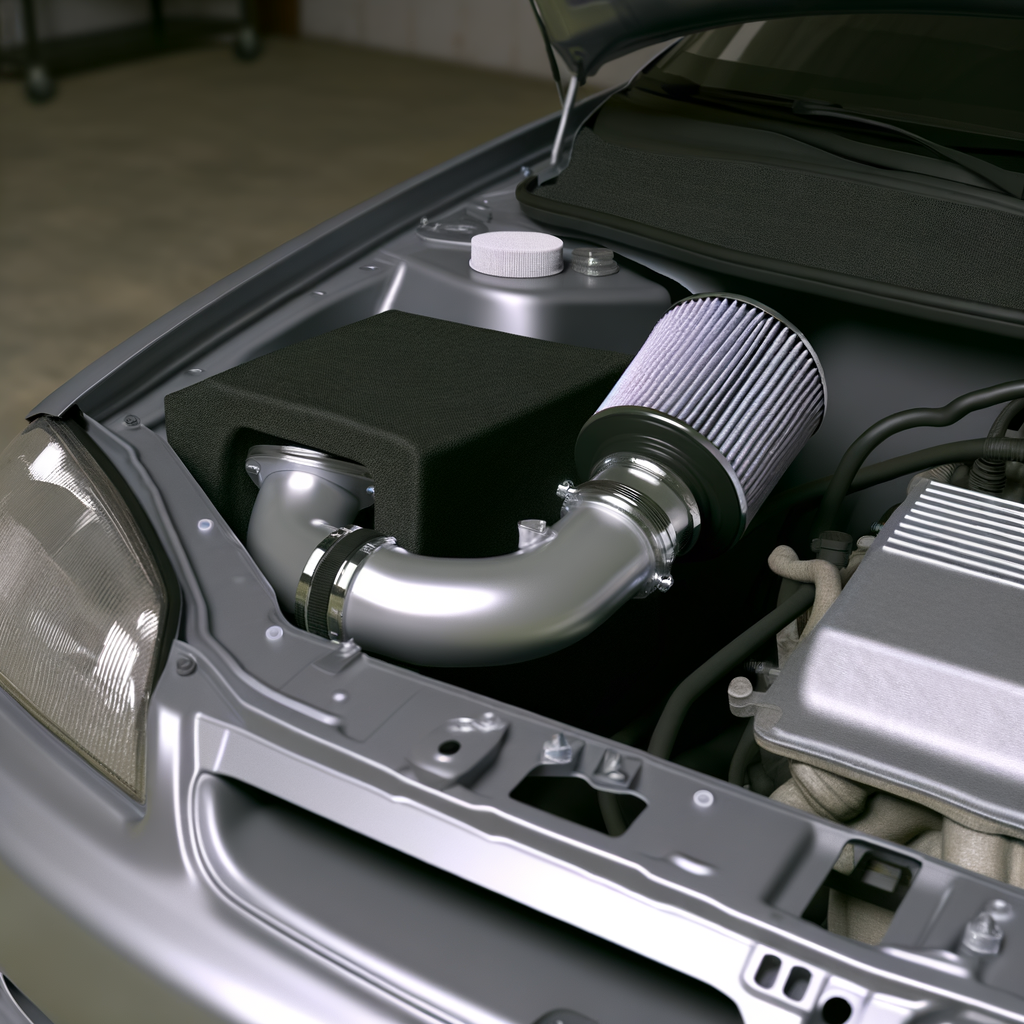
Performance-type upgrades aim to add power, handling, or sound. Examples include intake and exhaust changes, brake upgrades, suspension setups, and wheel fitment changes.
With older cars, the smartest approach is often: Fix first, then modify. A “mod” that adds stress to a tired engine, worn mounts, or old fuel parts can cause problems fast.
Why people do it
People mod older cars for clear, practical reasons:
- To make the car more reliable for daily use.
- To improve comfort, like reducing noise or upgrading seats and interior touch points.
- To sharpen handling and braking for safer, more controlled driving.
- To update the look without buying a newer car.
- To support a specific use, like weekend drives, light track days, or commuting.
It also helps to set goals early. If you want a cleaner daily driver, your choices will look different than a car built mainly for speed. You can sort that out by thinking about Modding for comfort vs speed.
Things to know before starting
Older cars have special risks and limits. Know these points before you buy parts.
Start with a full baseline check
Before any mod, confirm the car is healthy. If the car has a vibration, rough idle, overheating, or random stalling, fix those first. Many “power mods” just make bad running more obvious. If the engine shakes at stop lights, look into car vibrates at idle symptoms before adding anything that changes airflow or idle load.
Expect rusty fasteners and fragile plastics
Bolts may snap. Clips may break. Rubber parts may tear when touched. A simple install can turn into extra work, so plan time for stuck hardware, broken studs, and replacing old gaskets.
Electrical work needs extra care
Old grounds, corroded connectors, and previous owner wiring can cause strange problems. Any mod that touches wiring needs clean connections, correct fuses, and secure routing away from heat and sharp edges.
Parts fitment is not always simple
Older cars may have production changes, swapped parts from past repairs, or aftermarket suspension already installed. Always confirm what you have. For wheels and stance changes, understand offsets, tire sizes, and clearance. Use Car fitment basics thinking before ordering wheels that may rub.
Set realistic results
Some mods feel big, others feel small. Older engines can also respond differently because of wear, old sensors, or fuel system limits. Keep realistic expectations for car mods so you do not chase problems by adding more parts.
Step-by-step explanation
Use this flow to mod older cars with fewer surprises.
1) Define the purpose and “must keep” features
Decide how the car will be used most of the time. Daily driving, weekend cruising, or hobby project all need different choices. Also list what you must keep, like quiet cabin, emissions equipment, or factory ride height.
2) Bring maintenance up to date first
Do the basics before mods. This step prevents many headaches later.
- Fluids: Engine oil, coolant, brake fluid, transmission fluid, power steering fluid if used.
- Ignition: Plugs, wires or coils as needed, and correct plug gap.
- Air and fuel: Air filter, fuel filter if serviceable, check for fuel leaks and cracked hoses.
- Cooling system: Hoses, thermostat, radiator cap, and fan operation.
- Vacuum lines: Replace brittle lines to stop idle and driveability issues.
3) Fix known problems and weak points
Handle any warning signs now. Hard starting, for example, can point to battery, starter, fuel pressure, or sensor problems. If it struggles after sitting, diagnose it before changing parts that affect starting and idle. Problems like car won’t start after sitting can look like a “tune issue” after mods, even when the real cause is simple.
4) Choose mods in the right order
Older cars respond best when you build a solid foundation first.
- Stage A: Tires, brakes, suspension refresh (bushings, ball joints, shocks/struts).
- Stage B: Handling changes (sway bars, spring setup, alignment upgrades).
- Stage C: Mild engine breathing changes (intake/exhaust) only after the engine runs correctly.
- Stage D: Power adders or engine swaps only after you have strong cooling, fueling, and drivetrain health.
For beginners, the safety and control mods usually give the best day-to-day improvement.
5) Buy parts with compatibility in mind
Older cars may have trim levels, engine codes, and mid-year changes. Verify:
- Exact engine and transmission type.
- ABS vs non-ABS brakes.
- Wheel bolt pattern and hub size.
- Suspension type and current ride height.
If you are new to part quality and fit, follow an aftermarket parts guide mindset: Correct fit, decent material, and clear specs matter more than name recognition.
6) Install one change at a time and test
Do not install five mods at once. Add one part, then drive and check:
- Any new noises, rubbing, or vibration.
- Any new leaks.
- Idle quality and throttle response.
- Brake feel and steering pull.
This makes it easier to find what caused a problem.
7) Finish with alignment and re-checks
After suspension, wheels, or ride height changes, get a proper alignment. Then re-torque wheel lugs and any suspension bolts after a short drive period. Re-check fluid levels and watch for fresh seepage.
Common mistakes to avoid
-
Modding around an existing problem: A rough idle, misfire, or overheating will not improve with intake or exhaust changes.
-
Skipping worn rubber parts: Old engine mounts, control arm bushings, and vacuum hoses can ruin the feel of new parts.
-
Going too stiff too fast: Very low springs or harsh coilovers can make an older chassis feel worse and can cause rubbing, bottoming out, and broken mounts.
-
Changing wheel size without checking clearance: Rubbing on fenders, struts, or brake lines is common when offsets and tire sizes are guessed.
-
Poor wiring habits: Twisted wires, weak grounds, and wrong fuse sizes lead to hard-to-find electrical issues.
-
Ignoring brake balance: Bigger rear brakes, wrong pad types, or mismatched parts can change braking behavior in unsafe ways.
-
Over-modding: Too many changes at once can reduce reliability and make the car harder to diagnose. The risks in Avoid over-modding your car matter even more with older vehicles.
Safety and legal considerations
Older cars often have fewer safety systems, so smart mods can improve safety, but careless ones can reduce it.
-
Brakes and tires are safety items: Use correct load ratings, proper tire condition, and quality brake parts. Always bed pads when required.
-
Lights must be aimed and legal: Upgrading bulbs or housings is fine, but mis-aimed lights can blind other drivers.
-
Emissions rules may apply: Removing catalytic converters, EGR systems, or other emissions equipment can be illegal and can cause inspection failure.
-
Noise limits can be enforced: Very loud exhaust can bring tickets in many areas.
-
Suspension changes affect control: Extreme lowering can reduce suspension travel and make the car unstable on bumps.
-
Wheel spacers and adapters need care: Wrong parts or wrong torque can cause wheel issues.
Final practical advice
Pick improvements that match the car’s age and your real use. For most older cars, the best first mods are not power parts. Start with tires, braking, and a suspension refresh so the car feels tight and predictable.
Keep your changes simple, test after each step, and do not chase problems with more parts. A well-sorted older car with basic upgrades often feels better than a heavily modded one with unresolved wear.


