


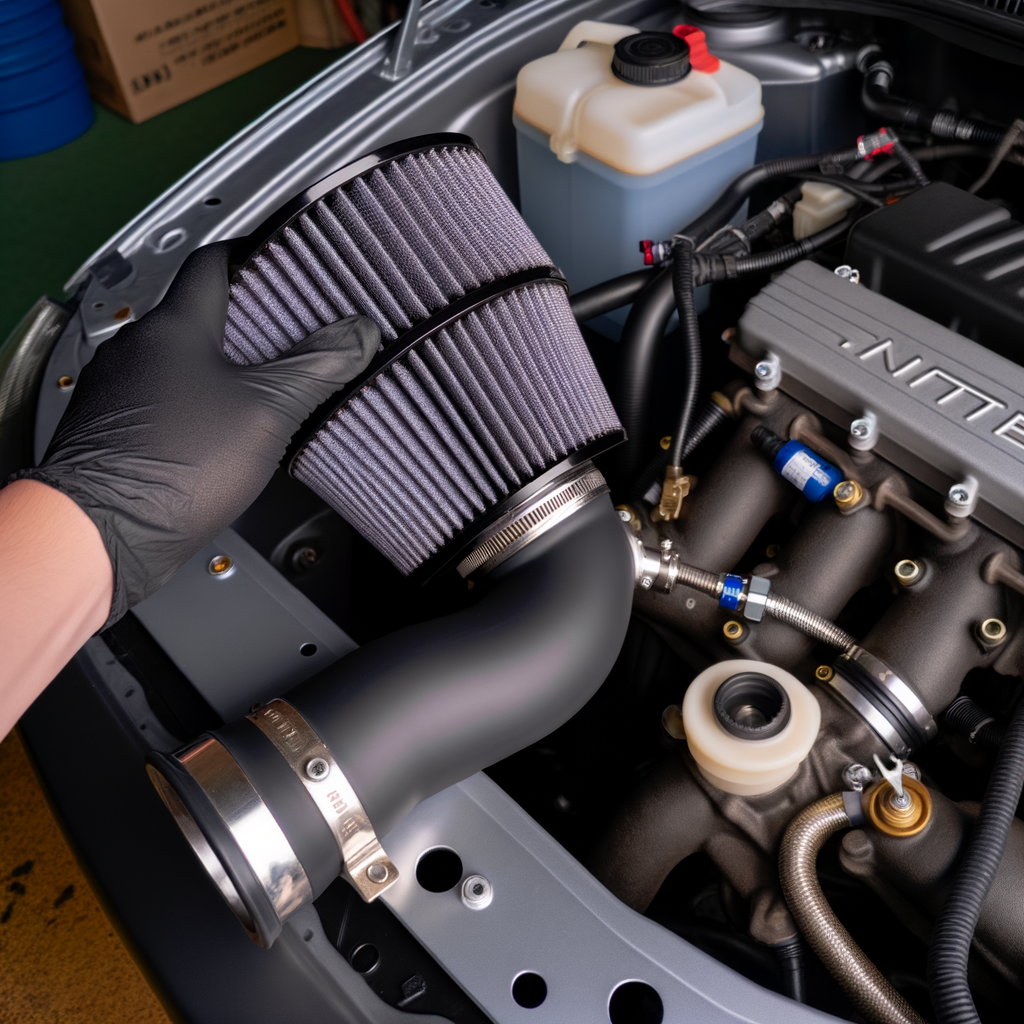
A modified car can be fun and more personal, but it also needs more attention than a stock car. Small changes can affect heat, wear, and how parts work together. Good maintenance keeps the car reliable, makes driving safer, and helps your upgrades last longer.
What the modification or concept is
Modified car maintenance means taking care of a vehicle that has aftermarket parts or tuning. “Aftermarket” parts are parts not installed by the factory. These can change how the engine breathes, how the suspension moves, how the brakes bite, or how the wheels fit.
The main difference from normal maintenance is: You do not only follow the factory schedule. You also watch the parts you changed and the new stress those parts can create. For example, a louder exhaust may not change servicing much, but lowering springs can change tire wear and alignment needs. A tune can add power, but it can also raise heat and make oil quality more important.
Why people do it
People modify cars for a few common reasons:
- Performance: Better acceleration, cornering, or braking.
- Looks: Wheels, stance, body parts, lighting, and interior changes.
- Sound and feel: Exhaust tone, sharper throttle response, firmer ride.
- Comfort and daily use: Phone mounts, roof racks, better seating position, nicer interior.
- Personal fit: Building the car to match how and where it is driven.
Maintenance is the trade-off. More parts and tighter setups mean less room for neglect.
Things to know before starting
1) Every mod has a “maintenance shadow.” Even simple changes can create new checks. Wheels can change bearing load. Coilovers can loosen slightly over time. A bigger intake can make vacuum leaks easier to notice.
2) Keep records. Write down the mod list, part numbers, install dates, and torque specs. This saves time when diagnosing a noise or buying replacements. It also helps if a shop works on the car.
3) Quality parts matter, but correct install matters more. A good part installed wrong still causes problems. If you are still learning, use a conservative setup and double-check work.
4) Be realistic about goals. A “fast” setup that overheats or eats tires is not fun. It helps to set realistic expectations for car mods before you keep adding parts.
5) Plan around your use. Daily driven modified cars need more frequent checks than occasional weekend cars. For daily use habits, see Modified Daily Driver Basics.
Step-by-step explanation
1) Do a quick walk-around every week
- Look at tire condition: Uneven wear often means alignment or pressure is off.
- Check tire pressure cold: Modified suspension and wheel setups can be sensitive to pressure changes.
- Look for fresh leaks: Oil, coolant, brake fluid, and power steering fluid (if fitted).
- Listen for new sounds: Clicking, rubbing, squeals, rattles. New noises usually mean something is loose, touching, or worn.
2) Re-check torque after installs
Many parts settle after heat cycles and driving. This is common with wheels, suspension hardware, and exhaust clamps.
- After any install, re-check bolts after 50 to 100 miles.
- Re-check again after about 500 miles.
- Use a torque wrench and correct specs when possible.
If you changed wheels or spacers, learn the basics of fitment and clearances. Car fitment basics helps you understand what can rub and why.
3) Shorten fluid and filter intervals when needed
Not every mod needs shorter service, but power adds heat, and heat breaks fluids down faster.
- Engine oil: Turbo upgrades, heavy tuning, and track use usually need more frequent oil changes.
- Brake fluid: Hard driving boils old fluid. Spongy pedal can be old fluid, air, or heat.
- Coolant: Higher power and high ambient temps make cooling system health more critical.
- Transmission and diff fluids: More torque can wear these fluids faster, especially if you launch the car often.
Use the factory fluid type as your starting point unless your parts require something different.
4) Watch for alignment and tire wear changes
Lowering, wider wheels, different offsets, and worn bushings can change alignment. Common signs are:
- Steering wheel not centered
- Car drifting to one side
- Inside tire wear faster than outside
- Wheel rubbing on turns or bumps
If the car starts drifting, use a simple check list like car pulls right causes to narrow down tires vs alignment vs brakes.
5) Keep an eye on engine behavior and warning lights
Modified cars can still run “fine” while a problem is starting. Pay attention to:
- Rough idle, shaking, or misfires
- Stalling when slowing down
- Fuel smell or poor mileage
- Higher than normal temperatures
If a warning light comes on, do not ignore it. Start with basic causes and simple checks like check engine light on.
6) Inspect brakes and suspension more often
Extra grip and speed put more load into brakes and suspension.
- Brakes: Check pad thickness, rotor condition, and listen for squeals.
- Suspension: Look for leaking shocks, cracked boots, and loose end links.
- Bushings and ball joints: These wear faster with aggressive wheel and alignment setups.
If you hear noise while braking, do not wait. Start with common causes of squealing noise when braking.
7) Keep the car clean where it matters
Clean does not only mean shiny paint. Dirt hides leaks and speeds corrosion.
- Rinse the wheel wells and underbody if you drive in salt or dirt.
- Keep battery terminals clean and tight.
- Clean sensors and connections only with safe methods. Do not spray harsh cleaners into connectors.
Common mistakes to avoid
- Mixing random parts: Suspension parts need to work as a set. A very low spring with worn shocks causes poor control and fast wear.
- Ignoring small rubbing: Tire rub can cut the tire sidewall over time. Also check brake lines and fender liners.
- Overtightening bolts: More tight is not always better. Stripped threads and snapped studs are common beginner problems.
- Skipping alignments: After ride height, control arms, or wheel changes, alignment is not optional.
- Chasing problems with more mods: Fix the base issue first. A misfire is not solved by a louder exhaust.
- No baseline checks: Before adding power, confirm the engine is healthy with good plugs, coils, vacuum lines, and no leaks.
Safety and legal considerations
Some modifications change how safe the car is and whether it can be driven on public roads.
- Brakes and tires are safety parts: Do not use unknown-condition used pads, cracked tires, or bent wheels.
- Lights must aim correctly: Very bright bulbs or wrong housings can blind other drivers.
- Ride height and wheel poke: Too low can cause loss of control over bumps. Tires sticking out can be illegal in some areas and can throw debris.
- Emissions and noise: Exhaust and tuning can break local rules. Check your area’s inspection requirements before changing catalytic parts.
- Insurance: Some providers require you to declare major mods. Undeclared mods can cause claim problems.
Final practical advice
Start simple: Keep the car in good factory health before adding performance parts. Do frequent quick checks, and write down what changes and when. If one change creates two new problems, pause and stabilize the setup first.
When you buy parts, focus on compatibility and proper fit, not just looks. A clear buying approach like an aftermarket parts guide helps beginners avoid mismatched components.
Most important: Treat new noises, smells, vibration, and warning lights as early signals. Fixing small issues early keeps a modified car fun, reliable, and safe.


