


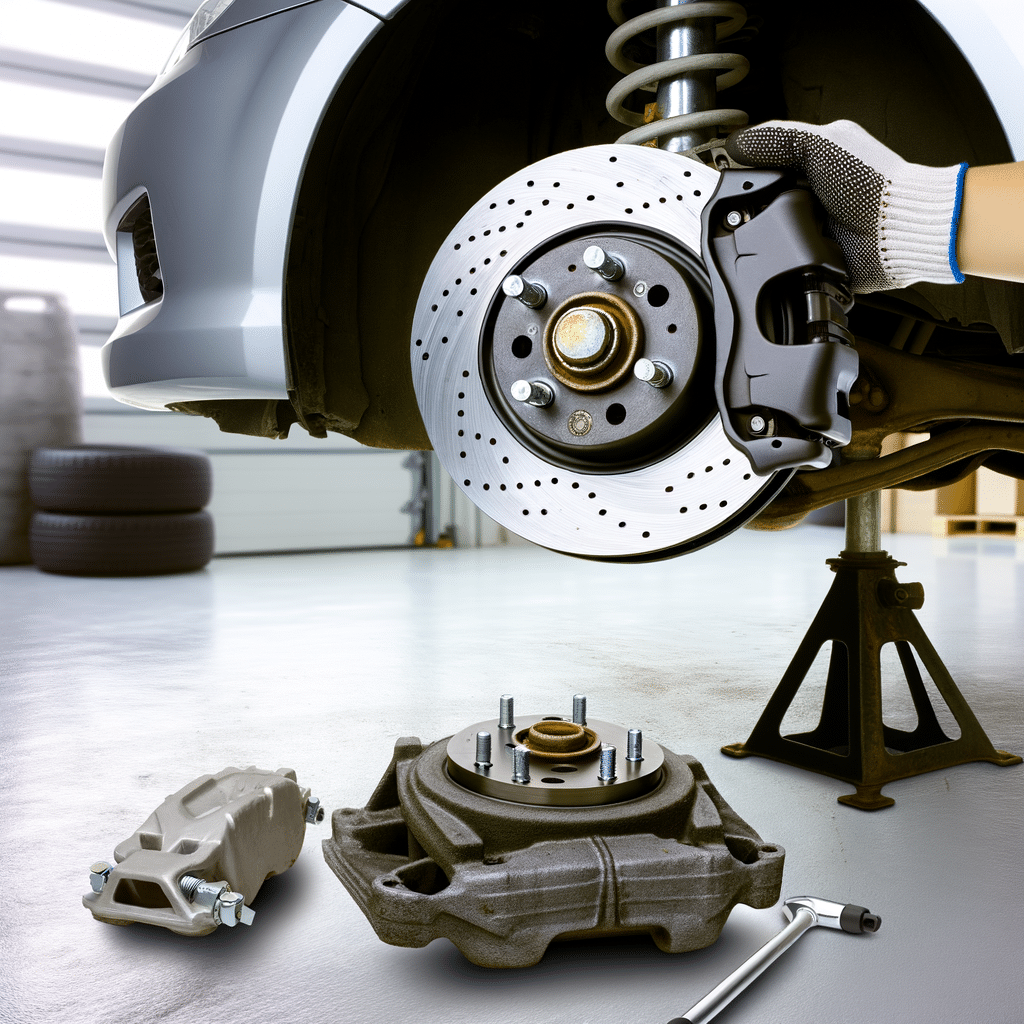
A modified daily driver is a car that you use for normal life, but with changes to the way it looks, feels, or performs. The hard part is balance. A daily driver must start every morning, handle bad roads, and stay comfortable. The right mods can improve the car without making it stressful to own.
What the modification or concept is
“Modified daily driver” is not one single mod. It is an approach to modding. You pick upgrades that work with regular driving, not just weekend fun.
Most daily-driver mods fall into a few groups:
- Maintenance-plus upgrades: Better brake pads, fresh suspension parts, quality tires, improved cooling, and reliable lighting.
- Comfort and usability: Seat covers, better floor mats, phone mount, quieter tires, trunk storage, and improved visibility.
- Handling and fitment: Wheels, tires, alignment, mild lowering, and sway bars.
- Power and sound: Intake, exhaust, tune, and basic engine bolt-ons.
- Protection: Mud flaps, paint protection film, skid plates, and rust prevention.
The goal is simple: Keep the car dependable and easy to live with while making it more “you.”
Why people do it
People modify a daily driver for practical reasons and personal reasons.
- Better driving feel: Good tires, brakes, and suspension can make the car feel more stable and predictable.
- More comfort: Small interior upgrades can make commuting less tiring.
- Improved usability: Roof racks, storage solutions, and lighting help with daily tasks.
- Looks: Wheels, mild lowering, and clean styling can make the car feel newer and better cared for.
- Learning: A daily driver is often the first car people work on, so they learn skills step by step.
Many drivers also like the idea of building a car slowly, one smart choice at a time.
Things to know before starting
Before buying parts, get clear on your priorities. A daily driver has different needs than a track car.
Start with the car’s current condition
If the car has worn tires, old brakes, leaks, or warning lights, fix those first. Mods do not solve basic problems. They can make them worse by adding stress.
Know your real driving
Ask yourself:
- Do you drive in snow, heavy rain, or extreme heat?
- Do you sit in traffic every day?
- Do you carry passengers often?
- Do you deal with potholes or steep driveways?
Climate matters too. Some parts that work well in mild weather may cause issues in harsh seasons. If you want a simple way to think about this, see weather effects on car mods.
Pick a budget and a “stop point”
Daily-driver modding can grow fast. Decide how far you want to go. For many beginners, it helps to learn the signs of going too far, like constant scraping, noise, and parts that wear out fast. A good mindset is covered in Avoid over-modding your car.
Understand the trade-offs
- Lowering: Better look and sometimes better handling, but less ground clearance and more chance of rubbing.
- Louder exhaust: More sound, but can cause drone on the highway and attract unwanted attention.
- More power: More fun, but more heat and more strain on clutch, transmission, and tires.
- Bigger wheels: Sharper look, but harsher ride if tire sidewall gets too thin.
Step-by-step explanation
Use this order to build a modified daily driver with fewer headaches.
1) Bring maintenance to 100%
Do all basic service first: Oil, filters, spark plugs if needed, brake fluid, coolant condition, and any leaks. Fix small problems early. For example, if your brake pedal feels fine but you hear noise, solve it before adding wheel upgrades. If you hear it, brake squeal causes and fixes can help you narrow it down.
2) Install good tires before chasing power
Tires are your grip, braking, and wet-weather safety. Pick the right type for your climate and driving. Avoid extreme “summer-only” choices if you drive in cold weather.
3) Get the basics of wheels and fitment right
If you change wheels, match the correct bolt pattern, offset, and tire size. Bad fitment can cause rubbing, poor handling, and wheel bearing wear. If you are new to this, Car fitment basics explains the key terms.
4) Improve brakes in a smart way
For most daily drivers, good pads, good rotors, and fresh fluid are enough. Big brake kits can be great, but they are not always needed. Balance matters. Overly aggressive pads can be noisy and dusty in normal driving.
5) Make handling changes in small steps
Start mild:
- Fresh shocks/struts if yours are worn
- A mild drop, not the lowest possible
- Sway bar upgrades if you want less body roll
- A proper alignment after suspension work
After each change, drive the car for a week. Listen for rubbing, clunks, or new vibrations.
6) Add comfort and daily usability mods
These mods often give the biggest day-to-day benefit:
- Seat covers that fit tight and do not block airbags
- Better wiper blades and brighter, correctly aimed headlights
- Trunk organization
- Floor mats that trap water and dirt
A clean interior also makes the car feel newer and easier to live with. If you want a simple routine, car interior cleaning steps can help.
7) Add power only after the car feels solid
If you want more power, keep it reliable:
- Avoid unknown tunes and random parts that do not match
- Do not stack mods without checking how they work together
- Watch temperatures and listen for knocking or pinging
Many daily drivers feel best with small bolt-ons and supporting maintenance rather than extreme builds.
Common mistakes to avoid
- Starting with the loudest or lowest mod: These changes often create daily problems fast.
- Buying parts before measuring: Wheels, tires, and suspension need correct sizes.
- Skipping alignment: After suspension changes, bad alignment can destroy tires quickly and hurt handling.
- Mixing cheap parts with critical systems: Brakes, tires, and suspension parts must be dependable.
- Ignoring new noises: A vibration, pull, or squeal is a sign something is off.
- Doing too many changes at once: When something goes wrong, it is harder to find the cause.
Safety and legal considerations
Daily drivers share the road with others. Some mods can create real safety risks or legal trouble.
- Lighting: Headlights must be aimed correctly. Wrong bulbs or housings can blind other drivers.
- Exhaust and emissions: Many areas have noise limits and emissions rules. Removing emissions equipment can be illegal and can trigger warning lights.
- Tires and wheels: Tires must not rub at full steering lock or full suspension travel. Wheels should not stick out past the fenders in places where that is not allowed.
- Suspension height: Too low can cause loss of control if you hit bumps or bottom out.
- Brakes: Any brake work must be tested carefully in a safe place before normal driving.
If you are not sure what is legal in your area, check your local inspection rules and vehicle code.
Final practical advice
Build your modified daily driver around reliability first, then handling, then comfort, and only then power. Keep notes on every change, including part numbers and install dates. After each mod, test for rubbing, leaks, warning lights, and strange sounds.
When in doubt, choose the mild option. A daily driver that feels tight, stops well, and stays comfortable in all weather is usually more satisfying than a car that looks extreme but is hard to use every day.


