


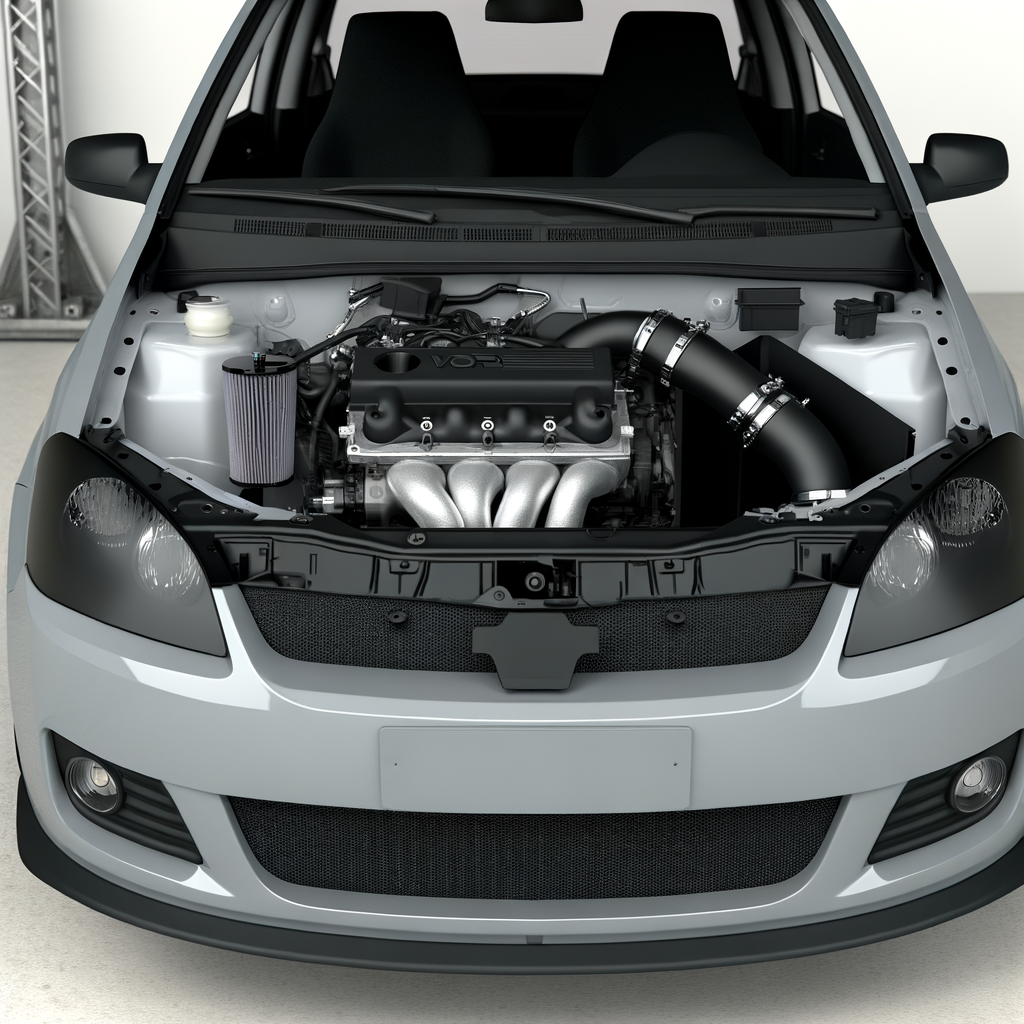
OEM+ style is a clean way to modify a car without making it look heavily changed. The goal is simple: Keep the factory feel, but make key areas look, feel, and work a little better. If you like a tidy build that still feels “right” for the car, OEM+ is a great starting point.
What the modification or concept is
OEM means Original Equipment Manufacturer, or the parts and design choices the car came with from the factory. OEM+ means you stay close to that factory look and function, but you upgrade in ways that seem like they could have been an optional package.
OEM+ mods usually focus on fit, finish, and balance. The car should look like it belongs that way. Nothing should seem out of place, sloppy, or extreme.
OEM+ can include:
- Factory-style wheels in a better size, or a wheel design that matches the car’s era
- Subtle suspension drop with correct alignment
- OEM or OEM-style lips, spoilers, and trim pieces
- Better tires, brakes, and lighting with a stock-like appearance
- Interior refresh with clean materials and small upgrades
It can be visual, mechanical, or both. If you are new to modding, it helps to understand the difference between looks and performance changes, like in Visual mods explained for beginners.
Why people do it
Many beginners pick OEM+ because it is easier to live with every day. A clean build can still be comfortable, quiet, and reliable.
Common reasons people choose OEM+:
- They want a nicer look without drawing too much attention
- They want better driving feel without making the ride harsh
- They want upgrades that fit correctly and last
- They want to avoid cheap parts that look out of place
- They want a build that is easier to maintain and troubleshoot
OEM+ also helps you avoid the “one mod leads to five more” problem. With a factory-like direction, you are less likely to buy random parts that do not match each other.
Things to know before starting
Before buying parts, pick a clear target: Make the car look newer, drive tighter, or feel more premium inside. OEM+ works best when you choose one main goal and support it with small changes.
Start with the car’s current condition
A clean build starts with a healthy base. Fix worn items first, like cracked tires, weak battery, old wipers, brake vibration, or leaking shocks. A car that runs rough will never feel “OEM+” no matter how good it looks.
Match the car’s design
Look at the shapes, colors, and finishes already on the car. If the trim is matte black, a bright chrome add-on can look wrong. If the car has soft lines, sharp, aggressive aero often clashes.
Quality and fit matter more than the part count
OEM+ is not about having many mods. It is about having a few changes that fit perfectly. Poor fitment gaps, peeling finishes, and mismatched colors will ruin the whole result.
Keep expectations realistic
OEM+ does not turn a base model into a top trim overnight. Some upgrades take time and cost more because you are chasing factory-level fit and finish. It helps to keep realistic expectations for car mods so you do not waste money on parts that do not meet your goal.
Step-by-step explanation
1) Clean and reset the car first
- Wash and decontaminate the exterior, then clean the wheels and tires.
- Deep clean the interior. A clean cabin makes every small upgrade feel bigger.
- Remove clutter and worn accessories that look cheap or mismatched.
If the inside feels tired, start with car interior deep clean steps before buying any interior parts.
2) Fix the “maintenance mods” that affect feel
- Check tire condition, tire pressure, and alignment.
- Replace worn wipers, bulbs, and filters if needed.
- Address vibrations, pulling, or noises before changing suspension or wheels.
A simple pressure check can change ride and steering feel right away. If you are unsure where to start, tire pressure monitoring for beginners keeps it simple.
3) Choose one main exterior direction
Pick one clean theme. Examples:
- Stock look, but fresher: Restored headlights, correct paint correction, blacked-out worn trim replaced with OEM-style pieces
- Sport package look: Subtle lip, small spoiler, factory-style diffuser, slightly wider wheels
- Luxury look: Cleaner wheel design, mild drop, quiet tires, tasteful tint where legal
Keep colors and finishes consistent. If you add gloss black parts, match the shade across the car. If you keep chrome, keep it everywhere.
4) Wheels and tires next, but keep it factory-correct
- Choose a wheel size close to stock diameter so speedometer and ride quality stay normal.
- Avoid very stretched tires. It looks forced and can hurt handling.
- Use tires with the right load rating and speed rating for the car.
For OEM+ style, the best wheel choice often looks like it could have come on a higher trim. The tire is just as important as the wheel because it controls noise, grip, and comfort.
5) Suspension: Small changes, correct alignment
- Decide the purpose: Better stance, better cornering, or both.
- Lower the car mildly. Too low can cause rubbing, poor ride, and damage.
- Get a professional alignment after any suspension change.
A mild drop with good alignment looks clean and drives well. A low car with bad alignment can feel unstable and eat tires fast.
6) Interior upgrades: Focus on touch points
OEM+ interior changes should look factory. Good places to start:
- Shift knob and steering wheel feel (material and grip)
- Fresh floor mats that fit correctly
- Clean, matching interior trim pieces
- Phone mount placed neatly without blocking controls
Small changes can make the car feel newer, but avoid flashy colors and fake carbon patterns unless the car already uses them.
7) Keep records and do one change at a time
- Write down each mod, part number, and install date.
- Test drive after each change so you know what helped and what hurt.
- If a new part adds noise, vibration, or warning lights, pause and diagnose before adding more parts.
Staying organized helps long-term ownership, especially on a daily driver. For basics, Modified car maintenance explained covers the mindset.
Common mistakes to avoid
- Mixing styles: One aggressive part can clash with an otherwise clean OEM+ build.
- Buying the cheapest parts: Bad fitment, thin paint, and poor materials stand out fast.
- Going too low too soon: Scraping and rubbing is not “clean,” and it can damage the car.
- Skipping alignment: Even small suspension changes can cause tire wear and poor handling.
- Over-tinting lights: Dark lights reduce visibility and can get you pulled over.
- Ignoring the base condition: Worn tires, weak brakes, and old suspension kill the OEM+ feel.
Safety and legal considerations
OEM+ still needs to be safe and road legal. Many problems happen when a “simple” visual mod changes visibility or how the car behaves.
- Lighting: Headlights and tail lights must stay bright and correctly aimed. Avoid heavy tint films that reduce output.
- Tires and wheels: Do not run tires that rub. Rubbing can damage the tire sidewall and cause a blowout.
- Suspension: Extreme lowering can reduce suspension travel and hurt braking and stability.
- Exhaust: Louder is not always legal. Local noise laws vary, and some areas test emissions.
- Tint: Window tint limits can vary by state or country. Check local rules before committing.
If a modification makes the car harder to see out of, harder for others to see, or less stable during braking, it does not fit OEM+ even if it looks good in photos.
Final practical advice
Pick a simple rule: Every change must look factory and work like a factory part. If a part adds rattles, bad gaps, warning lights, or constant rubbing, remove it and rethink the plan.
Focus on the order that gives the best results: Clean and fix the base, then wheels and tires, then mild suspension, then small exterior and interior details. Keep the build quiet, tight, and consistent, and the whole car will feel “finished” instead of “modified.”


