


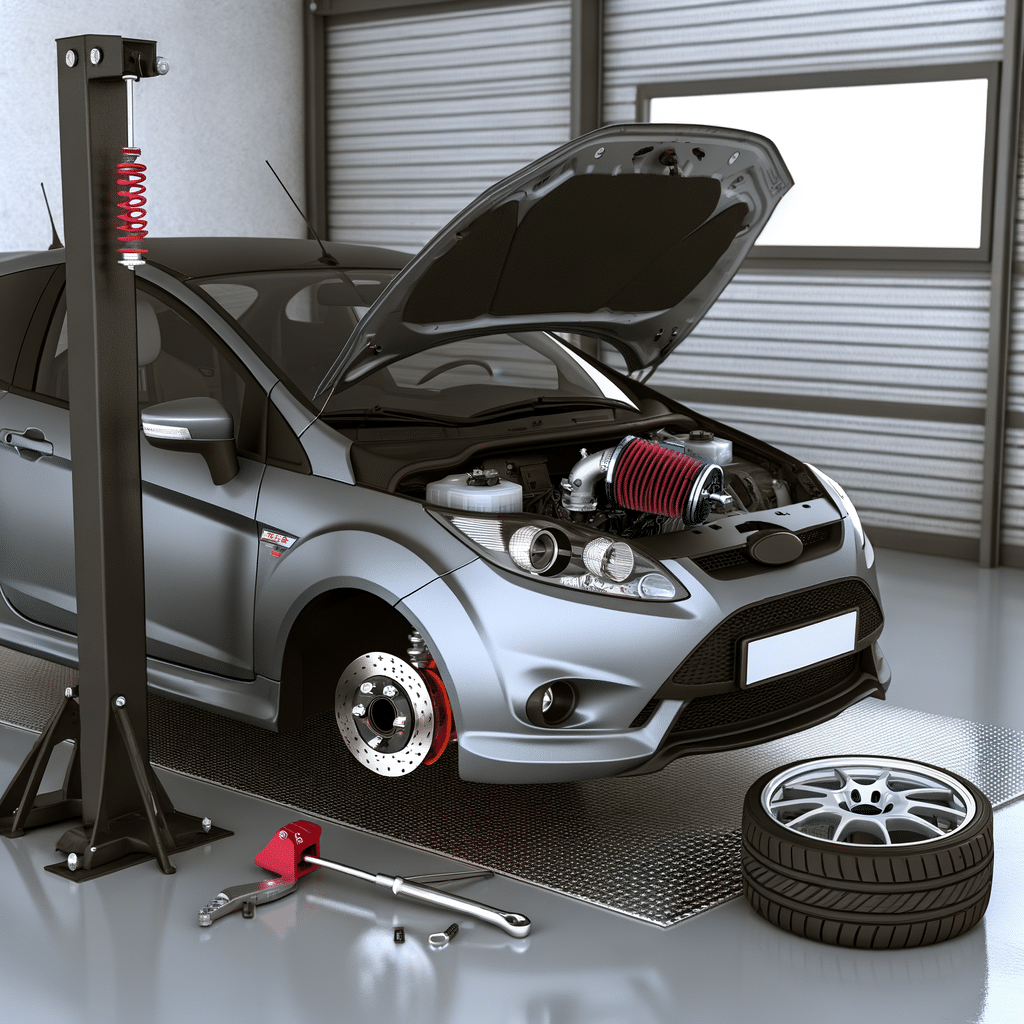
When people talk about car mods, they often mix two different goals: Making the car perform better, or making it look better. Both can be fun, but they work in very different ways. Knowing the difference helps you spend money wisely, avoid unsafe choices, and build a car that matches how you really drive.
What the modification or concept is
Performance mods are changes that affect how the car drives, stops, turns, or puts power to the road. These parts change the car’s mechanical behavior. That includes engine, transmission, suspension, brakes, tires, and cooling.
Style mods are changes that mainly affect how the car looks, sounds, or feels inside. They usually do not make the car faster or better at handling. That includes wheels for looks, cosmetic body parts, lighting changes, interior trim, and many audio or comfort upgrades.
Some parts sit in the middle. For example: Wheels, tires, and suspension can be performance mods, style mods, or both. A loud exhaust can change sound and looks, but may not add real power. If you are new to the terms people use, car modification terms explained can help you follow common mod conversations.
Why people do it
People choose performance mods because they want one or more of these results: Faster acceleration, better braking, tighter handling, better traction, or more consistent performance in heat and hard driving.
People choose style mods because they want the car to look personal, cleaner, sportier, or more unique. Many also want the cabin to feel nicer day to day.
Both types of mods can make sense. The key is matching the mod to your real use.
- Daily driving focus: Comfort, reliability, and quiet operation often matter most.
- Spirited street driving: Tires, brakes, and suspension can make the biggest difference.
- Track or autocross: Cooling, brake fluid, pads, and alignment become more important than many “power” parts.
- Show or photos: Fitment, paint, lighting, and interior details may be the priority.
Things to know before starting
Start with a clear goal
Pick one main goal for the next 3 to 6 months. If you try to do everything at once, it is easy to end up with a car that looks aggressive but drives worse than stock.
The best “first mod” is a health check
Mods do not fix existing problems. Worn tires, weak brakes, old spark plugs, or tired suspension parts can make any mod feel disappointing. If the car has warning lights, rough idle, vibration, or overheating, fix that first.
Some mods change more than you think
Lowering springs can change alignment and tire wear. Bigger wheels can reduce ride comfort and increase damage risk on potholes. A louder exhaust can cause cabin drone. Power mods can stress the clutch or automatic transmission.
Think in systems, not single parts
Performance parts work together. More power needs more grip. More speed needs more brake. Lower ride height needs correct alignment. If you want realistic outcomes from any mod, realistic expectations for car mods helps you avoid common misunderstandings.
Quality and fit matter
Bad fitment causes rattles, rub, leaks, or warning lights. Even for style parts, a poor-fitting body kit or low-quality lights can create constant headaches. When you shop for any part, aftermarket parts basics can help you compare options in a simple way.
Step-by-step explanation
Use this simple process to decide if a mod is mainly performance, mainly style, or a balanced choice.
1) Classify the mod by what it changes
- Does it change mechanical grip, braking, or power delivery? Performance.
- Does it mainly change appearance, sound, or cabin feel? Style.
- Does it do both depending on setup? Hybrid. Wheels, tires, suspension, and aero often land here.
2) Choose your first upgrades based on your goal
If your goal is better driving, the best beginner path is usually: Tires, brakes, then suspension. If your goal is style, start with clean, simple changes that do not create reliability problems.
- Performance-first path: High-quality tires, brake pads and fluid, then alignment and suspension upgrades.
- Style-first path: Quality lighting (within legal limits), clean wheels that fit correctly, subtle exterior pieces, and small interior improvements.
3) Handle “both” mods the smart way
Some of the most common mods can help or hurt performance depending on choices.
- Wheels: Bigger wheels often look good, but can add weight. Heavier wheels can slow acceleration and make the ride harsher.
- Tires: A wider tire does not always mean more grip. Tire compound and construction matter. A cheap wide tire can grip worse than a quality tire in the stock size.
- Lowering: Too low can reduce suspension travel and cause bouncing. That can hurt grip on real roads.
- Exhaust: Sound changes are common. Real power gains usually need matching tuning and supporting parts, not just a louder muffler.
4) Plan the order to avoid redoing work
- Maintenance first: Fluids, filters, brakes, tires, and worn suspension parts.
- Safety and control next: Tires, brakes, alignment, then suspension.
- Power last: Add power only after the car can put it down and stop confidently.
For many beginners, a clean OEM+ look supports daily comfort while still looking intentional. OEM+ style explained breaks down how to keep modifications subtle and functional.
5) Verify results after each change
After each mod, take a short test drive and check for rubbing, new noises, warning lights, or changes in braking feel. Small problems are easier to fix early. If you keep modding, basic upkeep becomes more important. Modified car maintenance basics covers the kind of checks that prevent small issues from turning into big ones.
Common mistakes to avoid
- Chasing looks that hurt drivability: Extreme lowering, stretched tires, or wheel sizes that rub can make the car less safe and more stressful to own.
- Adding power before control: More horsepower is not helpful if traction and braking are still stock and already limited.
- Ignoring alignment: After suspension changes, alignment is not optional. Bad alignment can ruin tires and make the car pull or feel unstable.
- Buying parts by popularity: A part can be popular but wrong for your climate, road quality, or driving style.
- Mixing mismatched components: Random spring and shock combos can ride poorly and reduce grip. Brake upgrades without proper fluid can still fade.
- Confusing sound with speed: Louder does not mean faster. Seat-of-the-pants feel can be misleading.
Safety and legal considerations
Some mods can create real safety risks or legal problems. Always consider road rules where you drive.
- Lighting: Incorrect bulb types, tinted lights, or very bright beams can blind other drivers and may be illegal.
- Exhaust noise: Many areas have noise limits. A loud setup can lead to tickets and unwanted attention.
- Emissions equipment: Removing emissions parts can be illegal and may cause inspection failure.
- Suspension and wheel fitment: Tire rubbing can damage tires and cause sudden failure. Wheels with the wrong load rating can crack.
- Brakes: Incorrect installation or poor-quality parts can lead to brake loss. If you are not confident, use a qualified shop.
After major changes, drive carefully until you understand the new behavior. Braking distances, traction limits, and steering feel can all change.
Final practical advice
For most beginners, the best path is simple: Start with a healthy car, then improve control before adding power, and keep style changes clean and functional. Choose one focus at a time, and test the car after each change.
If you want the clearest way to decide between mod types, use one question: Will this part help the car stop, turn, grip, or run cooler under load? If yes, it is performance. If it mainly changes looks, sound, or cabin feel, it is style. If it can do both, choose a setup that matches your roads and daily use.


