


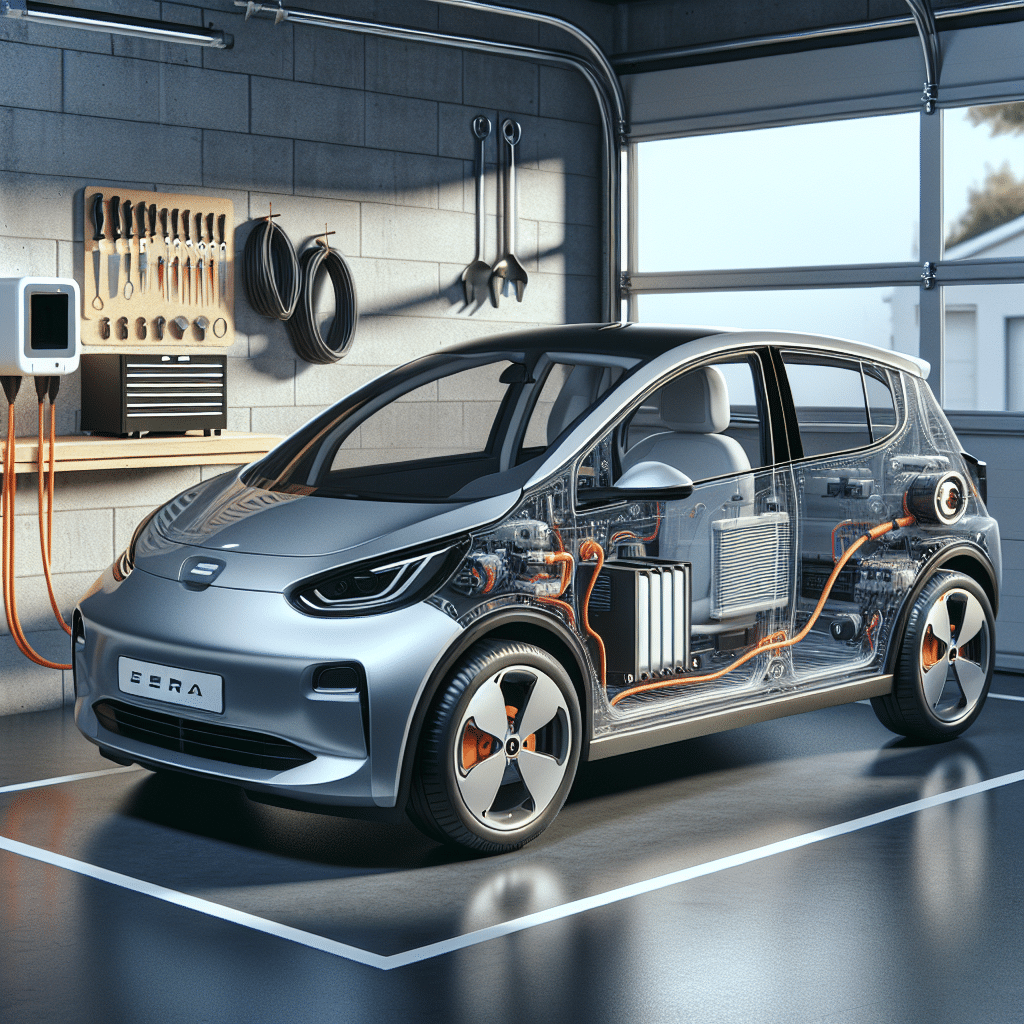
Range anxiety is the worry that an electric vehicle (EV) will run low on battery before you reach your destination or a charger. It often shows up in daily driving when plans change, traffic gets heavy, or charging options feel unclear. The good news is that most range anxiety comes from missing information and habits, not from real battery limits.
What the concept is
Range anxiety is a mindset problem caused by uncertainty. EVs show battery level, estimated miles left, and nearby chargers, but those numbers can change. Weather, speed, hills, short trips, and cabin heat or A/C all affect how far the car can go.
It helps to think in two numbers:
- Rated range: the ideal range number under test conditions.
- Real-world range: what you actually get in your normal driving.
Range anxiety usually happens when a driver expects rated range every time, then sees the estimate drop faster than expected.
Why people do it
People try to “beat” range anxiety because it can make an EV feel stressful, even when the car is fine. It also affects how confident you feel taking longer routes, running errands, or driving in winter.
Common reasons drivers want a better handle on it include:
- They are new to EVs and do not trust the range estimate yet.
- They can’t charge at home every night.
- They drive in cold or hot weather often.
- They use highways, hills, or heavy traffic daily.
- They have one EV shared by a family, so plans change fast.
Learning basic EV habits removes most of the stress. If you are still learning the basics, Getting started with electric cars helps set expectations for daily use.
Things to know before starting
Before changing your routine, understand these simple points that affect daily range.
Battery percent is more useful than miles
The “miles left” number is a prediction. It changes with speed, temperature, and recent driving. Battery percent is more stable and easier to plan around.
Cold weather can cut range a lot
In cold conditions, the battery is less efficient and the cabin heater uses more energy. Short trips can be worse because the car spends more time warming up. Preheating while plugged in can help.
High speed drains range faster
Air resistance rises fast at highway speeds. A small speed drop can add meaningful miles. Even 5 to 10 mph less can make the estimate stop falling so quickly.
Charging speed is not the same everywhere
Public stations vary. Some are slow, some are fast, and some may be busy or offline. Knowing the difference between home charging and public charging reduces the unknowns. Charging your EV at home or public stations breaks down what to expect.
Daily driving rarely needs 100% charge
Most EVs work best when you drive and charge in a mid-range band, like 20% to 80%, unless you need more for a longer trip. Many EVs also charge slower near full.
Step-by-step explanation
Use these steps to reduce range anxiety in normal daily driving. You do not need special tools. You mainly need a repeatable routine.
1) Learn your real daily “comfort zone”
- Track your typical daily miles for one week. Include errands and school runs.
- Pick a buffer, like 20% battery, that you treat as your “reserve.”
- Decide a normal charge target that covers your week with room for surprises, often 70% to 90% depending on your lifestyle.
Once you know your real needs, the battery stops feeling mysterious.
2) Set up charging so it fits your routine
- If you can charge at home, aim for “little and often” charging. Even a basic outlet can help if your driving is light.
- If you use a home charger, set a schedule for off-peak hours if available, and set a normal charge limit.
- If you rely on public charging, choose 2 or 3 nearby locations you can count on, not just one.
Home charging is the biggest range anxiety killer because your car starts most days with the battery you planned for. For setup basics, Choosing a home EV charger can help you understand common options.
3) Use the car’s energy tools the right way
- Use built-in navigation for longer trips when possible. Many EVs factor in elevation, speed, and battery use.
- Watch the efficiency screen for patterns. You are looking for what changes your range the most: speed, heater use, or short trips.
- Reset one trip meter weekly so you learn your real energy use over time.
The goal is not perfect driving. It is learning what moves the needle in your area.
4) Build a simple buffer habit
- Plan to arrive with a reserve rather than arriving close to 0%.
- When you see a range drop, reduce speed and reduce cabin heating or cooling a bit.
- Combine errands so the car warms up once and stays efficient.
A buffer gives you options when traffic, weather, or detours show up.
5) Get comfortable with public charging without overthinking it
- Charge earlier than you think you need to until you learn your area. Waiting until very low battery increases stress.
- Do shorter charging stops if you are using fast charging. Many EVs charge fastest at lower battery levels and slow down near full.
- Have a backup station in mind in case your first choice is full or offline.
Range anxiety often comes from “What if the charger doesn’t work?” A backup option fixes that.
Common mistakes to avoid
- Trusting the miles estimate like a fixed number. Treat it as a moving prediction, not a promise.
- Driving fast to “get there sooner” when battery is tight. Higher speed often makes the problem worse.
- Using the cabin heater at full blast on short trips. Preheat while plugged in if you can, and use seat heaters if available.
- Charging to 100% every day when you do not need it. Many EVs prefer a lower daily limit, and you may spend more time waiting for the last few percent.
- Letting the battery sit very low often. Keeping a reserve reduces stress and can be healthier for the battery long term.
- Only knowing one public charger. A single point of failure is a common trigger for anxiety.
Safety and legal considerations
Range anxiety can push drivers into unsafe choices. Focus on safety first.
- Do not drive distracted by constantly watching the range number. Set your route and check status only when parked.
- Do not stop in unsafe places if you are low on charge. Keep enough buffer to reach safe, well-lit areas.
- Use the correct charging equipment and follow posted rules at charging stations. Do not use damaged cables or connectors.
- Know local parking rules for EV charging spots. Some areas can ticket or tow for blocking chargers or staying after charging is done.
Final practical advice
For daily driving, aim to keep range planning simple: know your average miles, keep a reserve, and charge in a steady routine. Use battery percent as your main reference and treat the mile estimate as a live guess.
If you want a low-effort setup that makes the car easier to live with, small daily-use items can help too, like a tire inflator, a charging cable organizer, or a phone mount. Essential EV accessories for daily use covers practical options that support everyday driving habits.
Once you have a repeatable routine, range anxiety usually fades. The car becomes predictable, and predictable is what makes an EV feel easy in real life.


