


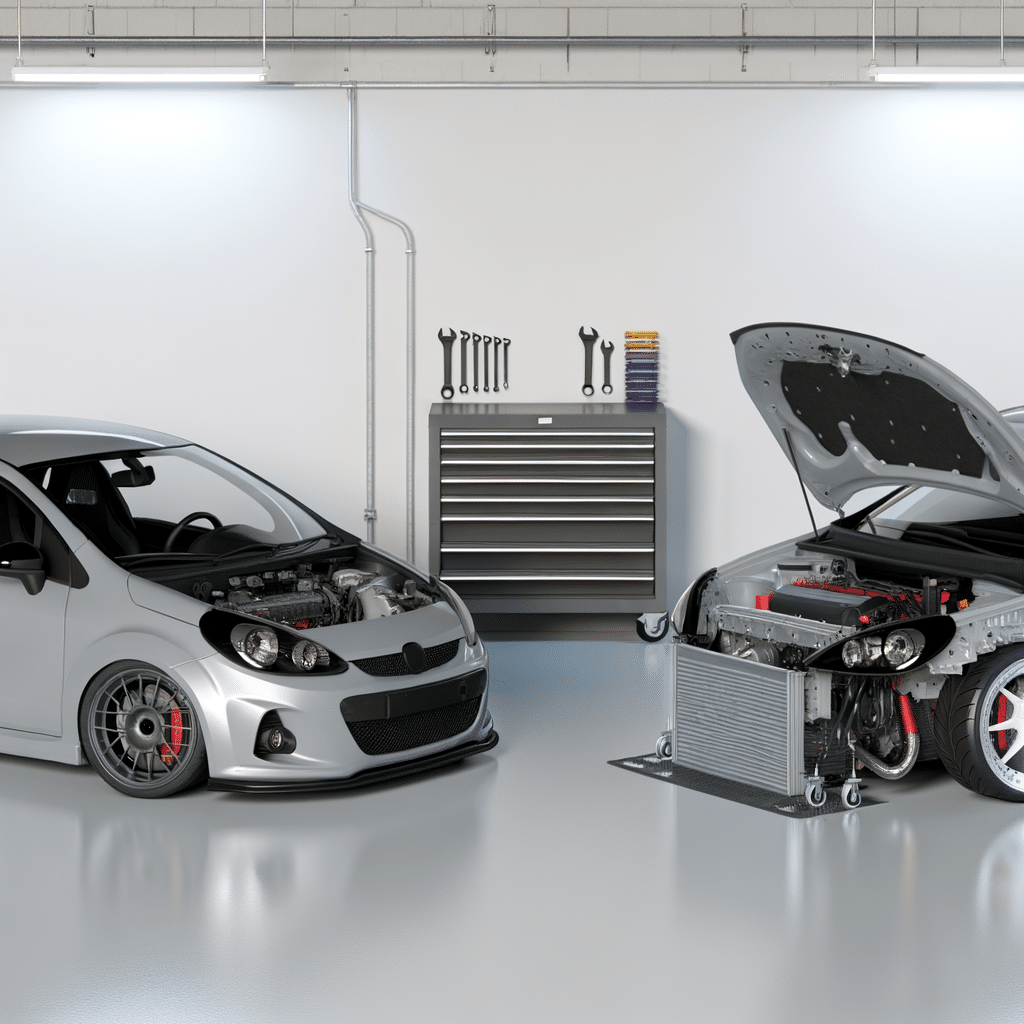
Some modified cars are built to drive every day. Others are built to look perfect under bright lights at a show. Both can be impressive, but they follow very different rules. Knowing the difference helps you choose the right parts, avoid wasted work, and build a car that matches your real goal.
What the concept is
A “street build” is a modified car made to handle real roads. It needs to start every time, deal with heat, rain, traffic, potholes, and long drives. Parts must work together without constant repairs.
A “show car” is built mainly for appearance and presentation. It may still drive, but looks and detail usually come first. The car is judged on finish quality, cleanliness, theme, fitment, and creativity. Some show cars are trailered and only move short distances.
Many builds fall in the middle. A “street-show” build tries to look sharp while staying practical. The key is picking a main priority, then making smart compromises.
Why people do it
People choose a street build because they want a car that feels better to drive. It can be quicker, more stable, more comfortable, safer, or just more personal. The car gets used often, so reliability matters.
People choose a show car because they enjoy design, craftsmanship, and detail. The reward is the finished look: paint, interior, engine bay, wheels, and stance all matching a clear style. It is also a way to learn bodywork, detailing, and custom fabrication.
Things to know before starting
Be honest about how the car will be used
If the car must commute, carry family, or handle bad weather, that pushes you toward street choices. If the car will mostly go to meets or events, you can accept more compromises.
Comfort and noise can become daily problems
Show-focused parts can make a car loud, stiff, or annoying in traffic. Examples include very low ride height, extreme camber, thin tires, and aggressive exhaust setups.
Street builds are limited by real-world conditions
- Speed bumps and steep driveways
- Road salt and rain
- Heat soak in slow traffic
- Bad pavement that can bend wheels
- Police attention from loud or flashy changes
Show builds are limited by finish quality
A show car is judged by the small details: panel gaps, paint correction, wiring tucked away, clean hardware, and matching materials. A quick install that looks “good enough” on a street car might look unfinished at a show.
Budget control matters for both
It is easy to spend money twice by buying parts that do not match the goal. Mapping out the big categories helps: stance, wheels/tires, brakes, cooling, lighting, interior, and exterior finish. A simple starting point is a Car mod budget basics approach where you set limits and reserve money for fixes.
Step-by-step explanation
1) Pick your primary goal (street or show)
Choose one main target. Then list your top three priorities. Examples:
- Street: reliability, grip, braking
- Show: paint, fitment, interior detail
If you pick “both,” decide which one wins when there is a conflict.
2) Start with safety and baseline maintenance
No build type works well if the car is worn out. Fix the basics first: fluids, belts, cooling health, suspension play, and brake condition. Even a show car needs to move safely around a parking lot.
Brakes are a common weak point on older cars. If you are learning, Brake pad replacement for beginners is a good example of a practical first skill.
3) Decide on the “stance and wheel” direction
This is where street and show builds often split.
- Street build: moderate drop, enough suspension travel, alignment close to factory, tire sidewall that can take a hit.
- Show car: very low ride height, aggressive fitment, stretched tires, bigger wheels, specialty suspension setups. More risk of rubbing, scraping, and wheel damage.
Fitment choices affect everything: fender clearance, steering angle, brake clearance, and ride quality.
4) Choose performance upgrades based on use
Street performance upgrades should improve control and repeatability, not just peak numbers. Common street-focused areas:
- Tires with good wet grip
- Suspension that keeps the car predictable
- Cooling upgrades if the car runs hot in traffic
- Braking feel and fade resistance
Show cars can still be fast, but the focus is often visual cleanliness. Hidden wiring, shaved engine bays, and polished parts look great but can make repairs harder.
5) Plan the exterior and paint work around your priority
For a street build, paint and wrap choices should handle UV, dirt, and washing. Chips happen on real roads. Many street cars look better with a clean, simple finish you can maintain.
For a show car, paint quality and bodywork become a major part of the build. That includes:
- Straight panels and clean body lines
- Consistent color match
- Deep gloss or special finishes (if legal for the road)
- Trim restoration and hardware details
6) Build the interior for function or presentation
Street interiors should stay comfortable and usable. Seats, steering wheel feel, visibility, and cabin noise matter. Show interiors often focus on materials and detail: custom upholstery, color themes, and hidden audio installs. Just remember that some custom interior work can make airbags, seat sensors, or seat belts harder to keep correct.
7) Add tech and lighting wisely
Street builds benefit from upgrades that reduce daily stress, like a camera or dash cam. A clean install looks good on any build type. If you want a simple weekend project, a beginner backup cam guide can improve parking and visibility without changing how the car drives.
8) Do a reality check test
Before calling it “done,” test the car in the conditions it will face.
- Street: highway drive, rough road, rain, full steering lock, hard braking, heat in traffic.
- Show: long detail session, photos under bright light, check for mismatched panels, loose trim, visible wiring, and rubbing at low speed.
Common mistakes to avoid
Mixing street and show parts without a plan
Extreme wheel fitment with stock brakes and worn suspension can look good parked but feel unsafe on the road. On the other side, a strong street setup can look unfinished at shows if details are ignored.
Going too low too fast
Slamming the car early can block progress. It makes it harder to load onto a trailer, alignment becomes tricky, and oil pans and exhaust parts can take hits. Build in stages so you can test and adjust.
Ignoring alignment and tire wear
A street build with aggressive camber and toe can eat tires quickly and feel unstable. A show car that drives even a little still needs safe alignment settings for that driving.
Chasing power before grip and brakes
More power is fun, but street driving needs control. Tires, brakes, and suspension usually give the biggest real-world improvement first. A helpful mindset is covered in Car modding priority basics.
Skipping small reliability parts
Clamps, hoses, bushings, wheel bearings, and cooling fans do not look exciting, but they can end a street day or a show weekend. Fix weak links early.
Safety and legal considerations
Many areas have rules on ride height, tire poke, window tint, headlight color, exhaust noise, and emissions equipment. A show car can still get ticketed on the street.
- Keep headlights properly aimed after any suspension change.
- Do not cut springs or use unsafe suspension shortcuts.
- Secure wiring and fuel lines away from heat and moving parts.
- Use wheels and tires with correct load rating for the vehicle.
- Keep brake performance strong after big wheel changes.
If you are not sure what is considered a risky early move, Car modding mistakes to avoid highlights common problems that lead to unsafe builds.
Final practical advice
Pick street build if the car must be dependable, comfortable, and easy to live with. Pick show car if the main goal is finish quality, theme, and visual impact. If you want both, choose one as the boss and set simple limits for the other.
For a street build, keep changes moderate, focus on tires and brakes, and keep enough ground clearance to drive normally. For a show car, slow down and chase details: clean wiring, consistent hardware, and fitment that does not rub when the car moves.
Whatever path you choose, do upgrades in a logical order, test after each major change, and stop when the car matches the goal you picked at the start.


