


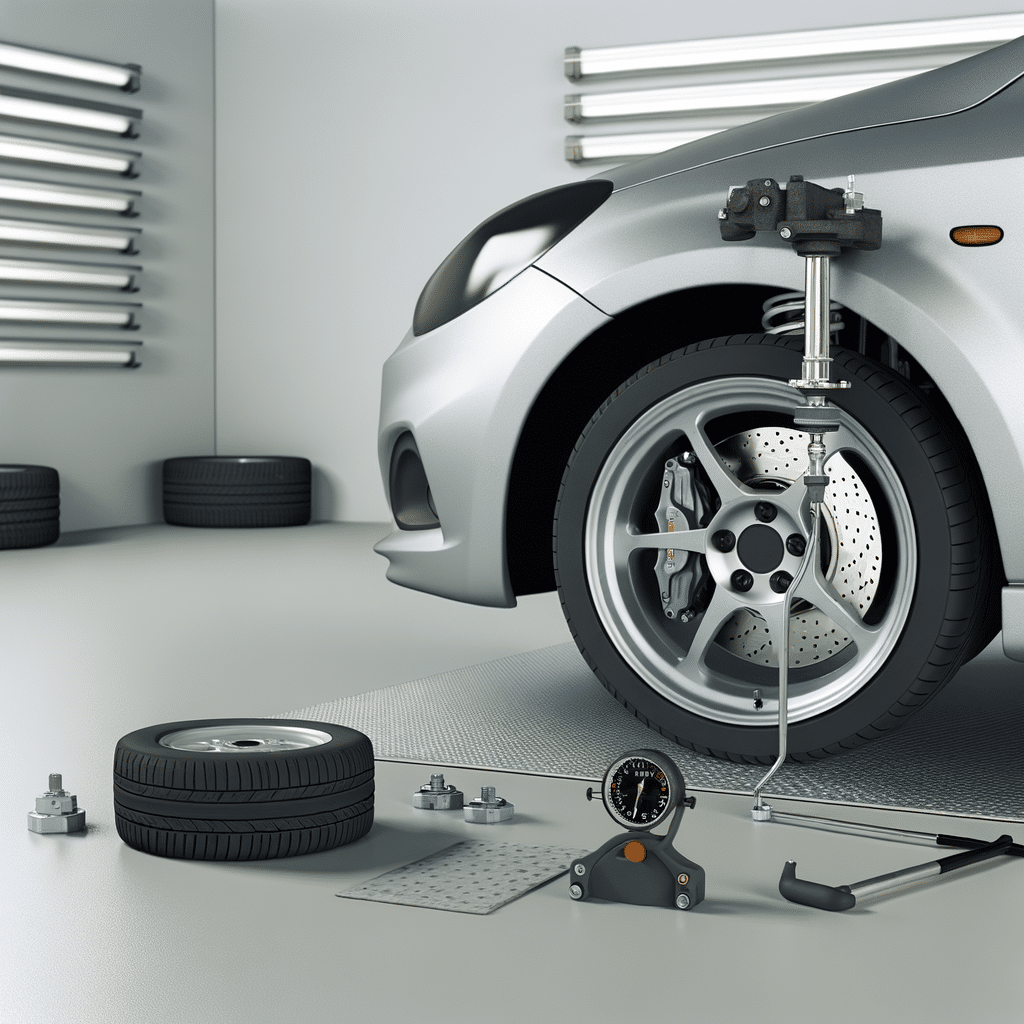
A weekend at the track is one of the best ways to learn car control. But a track day also puts more heat and stress into your car than normal driving. A beginner-friendly setup is not about big power. It is about a car that stops well, turns predictably, stays cool, and comes home in one piece.
What the concept is
A weekend track car setup is a basic plan for preparing your street car for track use. It includes simple checks, small adjustments, and a few smart upgrades that help your car handle heat, grip, and braking loads. The goal is a balanced car that is easy to drive at the limit, not a “race car” build.
Why people do it
People set up a car for track weekends to:
- Improve safety and braking confidence
- Reduce overheating and part wear
- Get more consistent lap times without extra power
- Learn driving skills with a predictable car
- Protect the car’s value by avoiding unnecessary damage and cheap mods
If you also care about long-term ownership, it helps to understand how mods affect car resale before making permanent changes.
Things to know before starting
Your first “mod” is maintenance
Track driving exposes weak parts fast. A worn tire, old brake fluid, or low coolant can end your day early. If basic maintenance is not current, do that first.
Heat is the main problem
On track, everything gets hot: brakes, tires, engine, transmission, and power steering. Many track issues come from overheating, not from “lack of performance.”
Balance beats maximum grip
Beginners often chase the grippiest tire or stiffest suspension. That can make the car harder to drive. A friendly setup has clear feedback and stable behavior under braking and cornering.
Know what kind of track day it is
Different events have different rules. Some require a helmet rating, long pants, tow hooks, brake light checks, and a tech inspection. Read the event requirements early so you are not rushed.
Keep your changes reversible at first
For a first season, avoid cutting, welding, or removing safety systems. Simple upgrades and good fluids are usually enough.
Step-by-step explanation
1) Start with a pre-track inspection
Do a full walk-around and a basic under-hood check 1 to 3 days before the event:
- Check for fluid leaks under the car
- Inspect belts and hoses for cracks
- Check battery tie-down is tight
- Look at wheel bearings for play (shake the wheel when lifted)
- Check suspension for torn boots and loose parts
Change engine oil if it is near the end of its interval. If you need a simple routine, follow DIY oil change at home.
2) Brakes: make them track-ready
Brakes are the biggest safety item. Heat causes brake fade, soft pedal, and longer stopping distance.
- Brake pads: Street pads can overheat. A track-capable pad compound is a smart first upgrade. If pads are thin, replace them.
- Brake fluid: Old fluid boils easier. Fresh high-temperature brake fluid helps keep a firm pedal.
- Rotors: Minor lip is normal. Cracks are not. Do not track cracked rotors.
If you are new to the job, DIY brake pad replacement can help you understand the steps and tools.
3) Tires and alignment: keep it simple
Tires do the work of turning and braking. You do not need the widest tire possible for learning.
- Tread and age: Avoid old, hard tires. Check the date code and look for sidewall cracks.
- Pressures: Start near your normal street pressure, then adjust after the first session. Track heat raises pressure. If the tire rolls onto the sidewall, add pressure. If the center wears fast, reduce a little.
- Alignment: A little more negative camber helps tire wear and grip. Too much makes street driving worse and can reduce braking stability. If you cannot adjust much, run a mild, street-friendly alignment.
Tip: write down starting pressures, hot pressures after a session, and how the car felt. This helps you learn faster than random changes.
4) Suspension: focus on control, not stiffness
For beginners, stock suspension can work well if it is healthy.
- Shocks and struts: If they are leaking or the car bounces, replace them before adding “performance” parts.
- Sway bars: A larger rear bar can help rotation on some cars, but it can also cause snap oversteer. Make small changes only.
- Coilovers: Only useful if you understand damping and alignment needs. Bad coilover settings can make the car slower and less safe.
If you are still learning what parts matter most, keep your plan close to the basics in a car modification guide mindset: grip, brakes, cooling, then handling fine-tuning.
5) Cooling and fluids: prevent weekend-ending problems
Overheating is common on track, especially in hot weather.
- Coolant level: Top off only when the engine is cold. Check the radiator cap and hoses.
- Engine oil level: Keep it at the full mark, not below.
- Transmission and diff: If service is overdue, fresh fluid can help reliability.
Bring extra fluids to the track: engine oil, brake fluid, and coolant or water (depending on event rules).
6) Driver position and controls: make the car easier to drive
A stable seating position helps you brake and steer smoothly.
- Set the seat so your wrists can rest on top of the steering wheel with shoulders still on the seatback
- Bend knees slightly with the clutch or brake fully pressed
- Keep the seatback fairly upright for better control
Grip matters. If your hands slip when you sweat, a Steering wheel cover installation can improve feel without changing the wheel itself.
7) Track-day prep items to pack
- Tire pressure gauge and portable inflator
- Basic tool kit, torque wrench, and socket for lug nuts
- Extra brake pads (if yours are near half-life), zip ties, and tape
- Helmet and required clothing
- Water for you, and a small chair for breaks
Torque your lug nuts before the first session and after the first session when the wheels cool.
Common mistakes to avoid
- Chasing horsepower first: More power makes braking and heat problems worse.
- Skipping brake fluid: A soft pedal can ruin confidence quickly.
- Running unknown old tires: Grip drops fast when tires are aged or heat-cycled.
- Making many changes at once: If the car feels worse, you will not know why.
- Ignoring warning signs: If you smell hot brakes, see smoke, or get a flashing temp light, do a cool-down lap and pit.
- Overdriving early: Smooth inputs protect tires and brakes and often make you faster.
Many new owners fall into patterns that cause extra wear and wasted money. Avoid the common traps listed in Car modding mistakes to avoid.
Safety and legal considerations
Track driving is controlled, but it still has risks.
- Follow the event’s tech rules, helmet rules, and passing rules
- Remove loose items from the cabin and trunk (floor mats, bottles, tools)
- Use proper jack points and stands if you work under the car
- Do not disable airbags or factory safety systems for beginner track days
- Know insurance limits. Many normal street policies do not cover track events
Also keep track parts off public roads when they are not legal for street use in your area. Some track pads, tires, and exhaust setups may not meet road rules.
Final practical advice
For a first weekend, focus on three priorities: brakes in good shape, tires in good shape, and all fluids fresh and at the right level. Start the day with conservative tire pressures and build speed slowly. Make only one change at a time, write down what you changed, and note how the car felt.
Most important: if the car starts to feel different, do not push through it. Come into the pits, let it cool, and check the basics. A calm approach builds skill faster and keeps the car reliable for the next weekend.


