


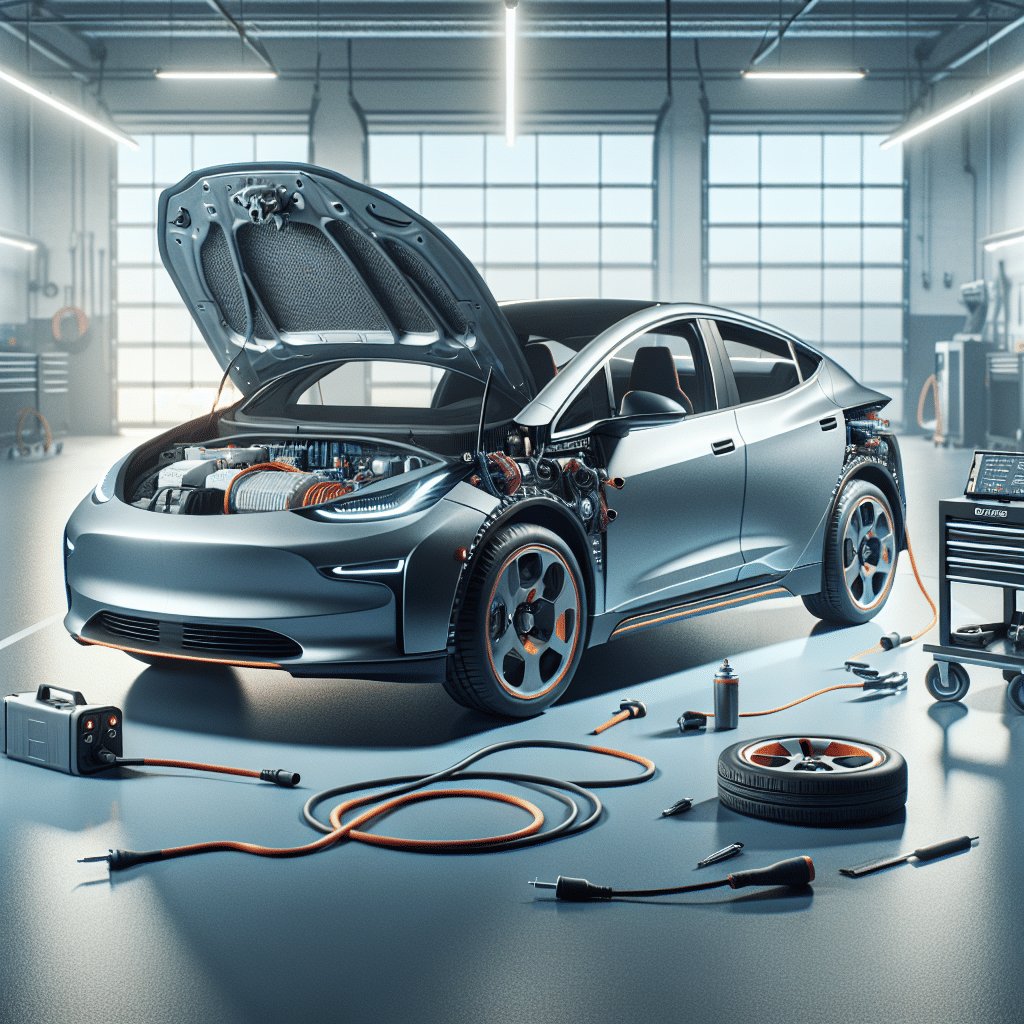
Buying a used electric vehicle (EV) can be a smart move, but it is not the same as buying a used gas car. An EV has a big battery, high-voltage parts, and software that can affect how it drives and charges. A quick test drive is not enough. You need to check the battery health, charging setup, and the car’s history so you know what you are getting.
What the concept is
A used EV purchase check is a simple inspection and paperwork review focused on EV-specific parts. The goal is to confirm the battery is in good shape, charging works the way you need, and the car has no major faults hidden behind a clean interior.
With a gas car, people often focus on engine noise, oil leaks, and the transmission. With an EV, the most important items are battery condition, charging compatibility, and how the car behaves under power and regen (regenerative braking).
Why people do it
People check used EVs carefully because the battery is the most expensive part and it changes over time. If battery capacity is low, real driving range can be much shorter than expected. Charging limits can also change daily use. A car that only charges slowly at home, or cannot use certain fast chargers, may not fit your routine.
Another reason is repairs. EVs can be very reliable, but if a high-voltage part fails outside warranty, the bill can be large. A careful check helps avoid surprise problems and helps you compare cars fairly.
Things to know before starting
Before you look at any specific car, get clear on a few basics. It makes the inspection faster and helps you ask better questions.
Know your charging plan
Figure out where the car will charge most of the time. Home charging is usually Level 1 (regular outlet) or Level 2 (240V). Public charging can be Level 2 or DC fast charging. If you live in an apartment or rely on public chargers, charging speed and network access matter more.
Understand range in real life
EV range drops in cold weather, at high speeds, with aggressive driving, and with old tires. A used EV with a worn battery can show a normal range estimate on the screen but deliver less on the road. Plan for a buffer so the car still works on a bad day.
Battery health is not a single number
Some EVs show battery health directly. Others hide it in service menus or require a scan tool. Even when a battery health percentage is available, also look at how the car charges, how fast the range drops, and whether the battery heats or cools normally.
Check warranty transfer rules
Many EVs have a separate battery and drive unit warranty. Ask what is still active and if it transfers to the next owner. Also ask if the car has had any battery replacements or major warranty work.
If you plan to add small upgrades after buying, keep it simple and reversible. General beginner car modification tips can help you avoid changes that create problems with warranty or safety systems.
Step-by-step explanation
1) Confirm the exact model and charging hardware
Start with the basics. Verify the trim level and battery size, not just the badge on the back. Ask for a photo of the charge port and confirm what connectors the car uses. Also ask if it came with charging equipment:
- Portable charge cable for a wall outlet (Level 1)
- Level 2 charging cable (some cars include one, some do not)
- Any adapters the owner uses
Missing cables are not a deal breaker, but it changes what you can do on day one.
2) Pull the car history and check for high-voltage damage
Get a vehicle history report and look for:
- Salvage or rebuilt title
- Flood damage (very important for EVs)
- Major accidents and airbag deployment
EVs can be repaired after crashes, but damage around the battery pack area is a serious warning sign. If the underbody or battery tray area shows heavy dents, scraped metal, or missing panels, slow down and get a professional inspection.
3) Inspect the battery and thermal system signs
You usually cannot “see” the battery pack, but you can look for clues:
- Warning lights on the dash or messages related to battery, charging, or reduced power
- Loud or constant coolant pump noises
- Strong smells of coolant or chemical odors
- Cooling fans running at odd times (some fan noise is normal, nonstop is not)
Open the hood if the car has a normal front compartment. Look for obvious coolant leaks, broken clips, and messy wiring from past repairs.
4) Check battery health using the car’s own data
Ask the seller to charge the car to a known level, then show the estimated range and energy info screen. If the EV has a battery health or capacity screen, take a photo.
Also check these items:
- Does the range drop very fast during a short drive?
- Does the car limit power or show “reduced acceleration” warnings?
- Does DC fast charging work if you can test it?
If possible, compare the displayed battery capacity to what that model had when new. A small drop is normal. A large drop may not fit your needs.
5) Test drive for EV-specific behavior
Drive on city streets and at highway speed. Pay attention to:
- Smooth power delivery with no jerks or cutouts
- Noise from the drivetrain (whining can be normal, grinding is not)
- Steering feel and brake pedal feel
- Regenerative braking behavior in different modes
On a safe, empty road, do a few moderate accelerations and a few smooth stops. The car should feel stable and predictable. If braking is grabby or inconsistent, it may need brake service or there may be a control issue.
6) Verify charging at home style and fast charging
Charging is the make-or-break part of EV ownership. Confirm:
- AC charging rate (Level 2 kW, if known)
- DC fast charging support and typical peak speed
- Any charging limits set in the car (like 80% daily limit)
If the seller can plug into a Level 2 station during the visit, watch that the car starts charging without errors. For DC fast charging, even a short test can show if handshakes and payment activation work normally.
7) Review software, screens, and key features
Many EV functions are software-controlled. Test:
- Touchscreen responsiveness and backup camera
- Climate control (heat and AC) at idle and while driving
- Driver assistance features, if equipped
- Phone pairing and navigation basics
Also ask if the car receives updates and whether any features are tied to an account. Make sure the seller can sign out and transfer access correctly.
8) Check tires, brakes, and suspension like any used car
EVs are heavy and can wear tires faster. Inspect tires for uneven wear, which can signal alignment issues. Brakes can look fine but still need service because EV brakes may be used less and can rust. Listen for clunks over bumps and check for vibration at highway speed.
For extra peace of mind after purchase, a beginner-friendly dash cam setup can help document incidents without changing how the car drives.
Common mistakes to avoid
- Only looking at the range number on the dash. Range estimates change with temperature and driving style. Focus on battery health signals and real driving behavior.
- Skipping a charging test. A car can drive fine but still have charging faults that show up only when plugged in.
- Not checking title history for flood damage. Water exposure can cause long-term electrical problems.
- Ignoring missing charging cables. Replacing them costs money and delays easy home charging.
- Assuming all fast charging is the same. Connector type and peak speed vary a lot, even within the same model line.
Safety and legal considerations
High-voltage EV systems can be dangerous if handled wrong. Do not open orange high-voltage cables, battery covers, or power electronics. If you see damaged orange cables, exposed wiring, or burn marks, walk away and get a professional inspection.
For legal and ownership details, confirm:
- The title is clean and matches the seller’s name
- There are no open recalls (some recalls can block certain updates or functions until fixed)
- Any required inspections in your area are completed
If the car has been in a major crash, ask for repair invoices. Poor repairs can affect crash safety systems and battery protection.
Final practical advice
Bring a simple checklist and take photos of the dash messages, charge screen, tires, and the charge port. Ask the seller to start with a cold car if possible, since some problems show up at first start. If anything feels unclear, spend the money on a pre-purchase inspection from a shop familiar with EVs.
Pick a used EV that fits your charging reality first, then worry about features. A smaller battery that charges easily where you live can be better than a bigger battery you cannot charge conveniently. After you buy, keep upgrades simple and low-risk, like simple car upgrades you can do that do not touch high-voltage systems.


