


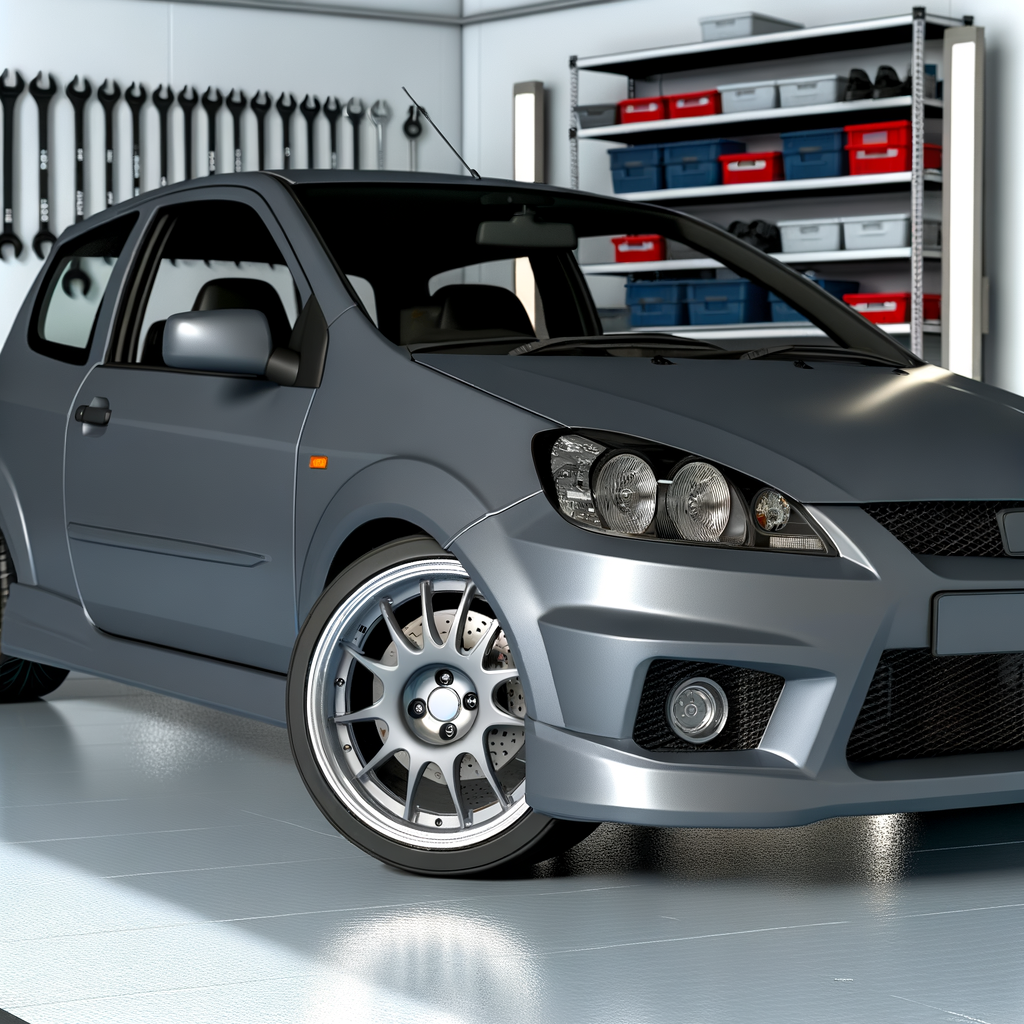
New to car mods and not sure where to start? Most upgrades fall into two big groups: Visual mods and mechanical mods. Visual mods change how the car looks and feels to sit in. Mechanical mods change how the car drives, stops, handles, or makes power. Both can be done well, and both can cause problems if you rush.
What the modification or concept is
Visual mods are changes you can see or touch without changing how the engine, brakes, or suspension works. The goal is style, comfort, or personal taste. Some visual mods are purely cosmetic, and some are “visual-plus” because they can slightly affect driving (like big wheels or a large rear wing). Typical visual mods include:
- Wheels and cosmetic wheel accessories
- Wraps, paint accents, stripes, badges deletes
- Tinted windows and headlight or taillight styling
- Interior trim, shift knobs, seat covers, ambient lighting
- Body kits, lips, diffusers, spoilers
Mechanical mods change how the car performs or how its systems work. These can add speed, improve handling, improve braking, or change sound. Mechanical mods often affect reliability, insurance, and legality more than visual mods. Typical mechanical mods include:
- Suspension parts (springs, coilovers, sway bars, bushings)
- Brake upgrades (pads, rotors, fluid, lines)
- Engine and power mods (intake, exhaust, turbo parts, tuning)
- Cooling upgrades (radiator, intercooler, oil cooler)
- Drivetrain changes (clutch, mounts, differential)
Some mods sit in the middle. Example: Wheels look visual, but wheel size and tire choice can change ride comfort, braking feel, and steering response. Exhaust is also mixed, since sound is a big reason people do it, but it can change backpressure, emissions, and tuning needs.
Why people do it
People choose visual mods when they want the car to feel more personal, cleaner, or sportier without opening up major systems. Visual changes can also make daily driving nicer, like better interior feel or improved organization.
People choose mechanical mods when they want the car to do something better on the road: Corner flatter, brake harder, accelerate faster, or feel more responsive. Mechanical mods can also be done for durability, like better cooling on a car that overheats during hard driving.
Many beginners mix both, but the best results come from deciding what you actually want first. If you want comfort, a loud exhaust and stiff suspension are usually the wrong direction. If you want performance, a huge wing and flashy lights do not fix handling or braking. For a simple way to sort goals, Modding for comfort vs speed helps you pick a clear path.
Things to know before starting
1) Your starting point matters
A newer, stock, well-maintained car reacts better to mods. If the car already has issues, mods can hide or worsen them. Take care of basic maintenance first, especially tires, brakes, and fluids. If the car is older, read Modding older cars essentials so you do not build on a weak base.
2) Visual mods can still affect driving
These are common examples:
- Big wheels with low-profile tires can make the ride harsh and increase the risk of bending wheels on potholes.
- Cheap lowering springs can change alignment and tire wear.
- Dark tint can reduce night visibility.
- Heavy body kits can scrape and crack on driveways.
3) Mechanical mods usually have “extra steps”
Many performance parts need matching changes. If you change one part, you may need to adjust another part to keep the car happy. Examples:
- Power mods may need a tune, better fuel, or better cooling.
- Lowering often needs an alignment and may need adjustable arms or camber parts.
- Brake upgrades work best with good fluid and properly bedded pads.
4) Quality and fit matter more than the part name
A part that fits badly can cause rattles, leaks, warning lights, and wasted time. Before buying anything, use a simple checklist like aftermarket parts basics to focus on proper fitment, correct specs, and realistic expectations.
Step-by-step explanation
Use this basic flow to decide between visual and mechanical mods, and to avoid common beginner problems.
Step 1: Pick one main goal
Choose the top goal for the next 3 to 6 months:
- Looks
- Comfort
- Handling
- Braking
- Sound
- Acceleration
One goal keeps choices simple. You can still do small extras later.
Step 2: Do a quick baseline check
Before adding parts, confirm the car is healthy:
- No warning lights or new strange noises
- Tires have even tread and correct pressure
- Brakes feel solid with no vibration
- No major leaks
Low tire pressure can make a car feel slow, heavy, and unstable, which can trick you into buying the wrong mods. A home tire pressure check makes a real difference and takes minutes.
Step 3: Start with low-risk changes
For beginners, these are usually safer first moves:
- Visual: Interior cleaning, small trim pieces, floor mats, mild tint where legal, simple wheel accessories
- Mechanical: High-quality tires, brake pads and fluid, a fresh alignment, worn suspension maintenance items
If you want mod ideas that stay simple, Budget-friendly car mods can help you compare options without jumping straight into high-risk installs.
Step 4: Understand “system effects” before mechanical mods
Mechanical mods work in systems. Think in groups:
- Handling system: Tires, alignment, springs/coilovers, dampers, sway bars, bushings
- Braking system: Pads, rotors, fluid, lines, tires
- Power system: Intake, exhaust, tune, fuel, cooling, spark parts
Pick one system at a time. This makes it easier to feel the change and troubleshoot problems.
Step 5: Install in a smart order
A simple order that works for many cars:
- Tires and basic maintenance
- Brakes (pads and fluid first)
- Handling (alignment, then springs/coilovers if needed)
- Power (only after the car is healthy and you understand tuning needs)
This order improves control and safety early, before adding speed.
Step 6: Track changes and keep stock parts
Write down what you changed and when. Keep receipts and stock parts when possible. If a new noise or warning light shows up later, your notes save time. Maintaining a modified car is also different, so it helps to follow Modified car maintenance explained as you add parts.
Common mistakes to avoid
- Doing power mods before tires and brakes: More power with weak grip and weak stopping can make the car harder to control.
- Buying parts only for looks: A very low car, very wide wheels, or extreme body parts can rub, scrape, and wear tires fast.
- Ignoring alignment after suspension changes: Bad alignment can ruin tires quickly and make the car pull or feel unstable.
- Mixing random suspension parts: Lowering springs with worn shocks can bounce and ride poorly.
- Chasing problems with mods: If the car runs rough, stumbles, or has a warning light, fix that first. Mod parts do not solve base problems.
- Not thinking about your daily use: A daily driver needs ground clearance, good visibility, and predictable handling in rain.
Safety and legal considerations
Rules change by location, but these areas often matter:
- Lighting: Some colors, brightness levels, and flashing patterns are illegal on public roads.
- Window tint: Front tint limits are common, and very dark tint can be unsafe at night.
- Exhaust and emissions: Removing emissions parts is illegal in many places and can cause inspection failure.
- Ride height and wheel poke: Tires sticking out past the fenders can be illegal and can throw debris.
- Airbags and seats: Some seat and steering wheel changes can affect airbag systems.
Safety also includes basic install quality. Loose wheels, poorly routed wires, and leaking fuel or brake lines are serious hazards. If you are not sure, use a professional for critical systems like brakes, steering, and fuel.
Final practical advice
If you want the simplest beginner path, start with small visual changes inside the car and basic mechanical upgrades that improve control, mainly tires, brakes, and alignment. Keep each change small enough that you can feel what it did. Avoid stacking five upgrades at once.
When you are choosing between visual and mechanical mods, use one question: What problem am I trying to fix? If the problem is “I want it to look different,” pick visual mods that do not reduce visibility or daily comfort. If the problem is “I want it to drive better,” focus on the systems that touch the road first.
Most important, keep the car reliable. A modified car that starts every day, stops well, and drives straight is always the better build.


