


This post may contain affiliate links. Please read our disclosure and privacy policy for more information.
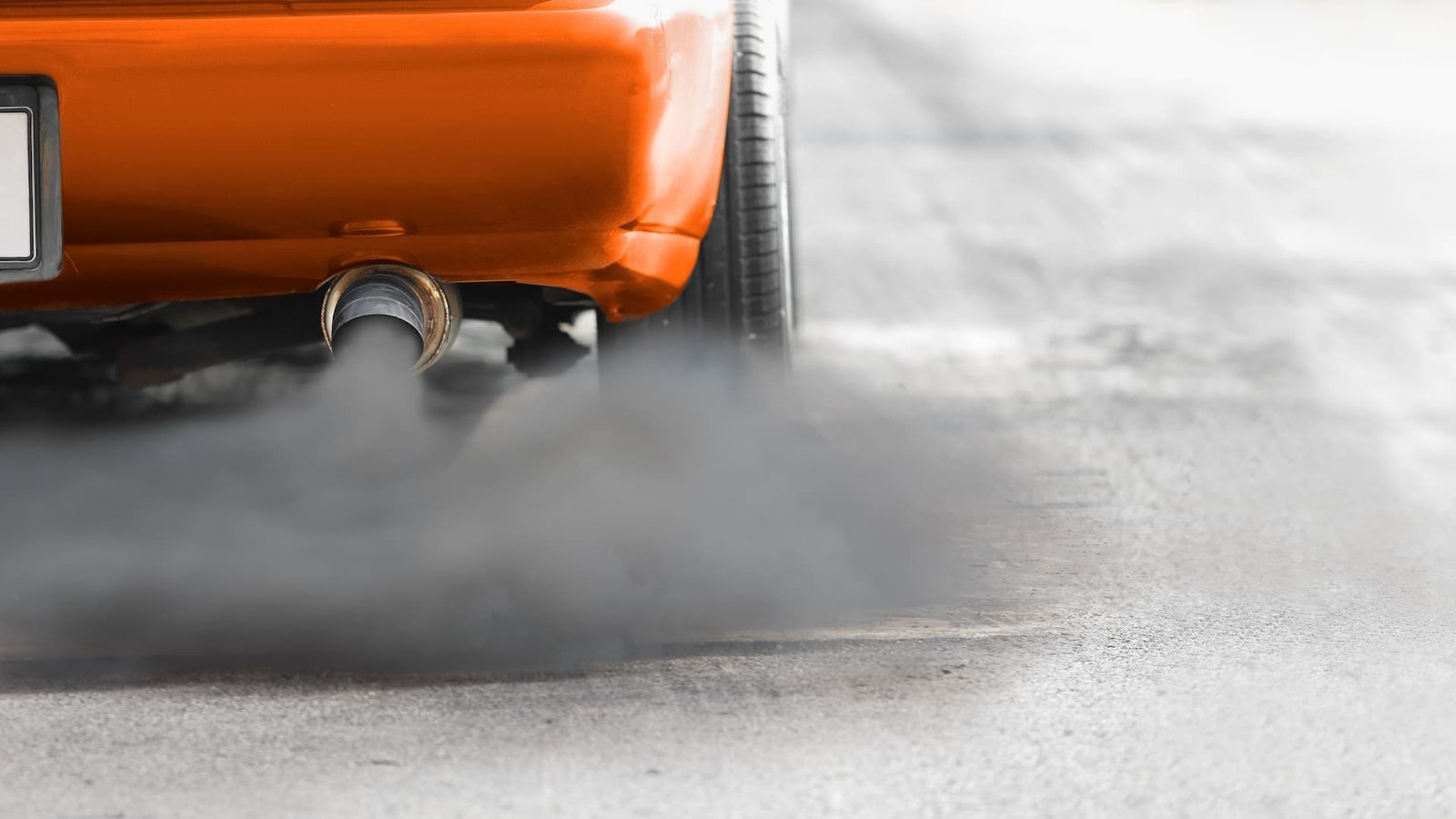
Seeing black smoke from your exhaust pipe can be worrying, especially if it appears suddenly. This usually means your engine is burning too much fuel compared to air. The problem can be small, like a dirty sensor, or serious if ignored for too long. The good news is that most causes are easy to understand and fix if caught early.
What Black Smoke Usually Means
Black smoke is a sign of a rich fuel mixture. This means extra fuel is entering the engine but not burning properly. Instead of clean exhaust gases, unburned fuel turns into dark smoke and comes out of the tailpipe.
Most Common Causes (From Most Likely to Less Common)
1. Dirty or Clogged Air Filter
If your engine is not getting enough air, the fuel does not burn fully.
Why it happens
- Air filter clogged with dust
- Poor airflow to the engine
Fix
- Inspect the air filter
- Replace it DIY if dirty (cheap and quick fix)
2. Faulty Fuel Injectors
Fuel injectors spray fuel into the engine. If they leak or get stuck open, too much fuel enters.
Signs
- Rough idle
- Poor fuel mileage
- Strong fuel smell
Fix
- Injector cleaning
- Injector replacement if damaged
3. Bad Mass Air Flow (MAF) Sensor
The MAF sensor tells the engine how much air is entering. Wrong readings mean wrong fuel delivery.
Symptoms
- Hesitation while accelerating
- The engine feels sluggish
- The check engine light may turn on
Fix
- Clean the MAF sensor with proper cleaner
- Replace if cleaning does not help
4. Faulty Oxygen (O2) Sensor
O2 sensors help balance fuel and air. A bad sensor can cause the engine to inject extra fuel.
Fix
- Scan for error codes
- Replace the faulty sensor
5. Fuel Pressure Regulator Problems
If fuel pressure is too high, extra fuel is pushed into the engine.
Fix
- Fuel pressure test
- Replace the regulator if needed
6. Engine Control Unit (ECU) Issues
In rare cases, ECU software or wiring problems can cause a rich fuel mixture.
Fix
- Professional diagnostic scan
- ECU reprogramming or repair
How to Fix Black Smoke Step by Step
Step 1: Check the Air Filter
This should always be your first step.
Step 2: Scan for Error Codes
Use an OBD2 scanner to check sensor-related faults.
Step 3: Inspect Fuel Injectors
Look for leaks or uneven spraying.
Step 4: Clean Sensors
MAF and throttle body cleaning can fix many issues.
Step 5: Visit a Mechanic if Smoke Persists
If black smoke continues, deeper fuel system testing is needed.
Can You Drive With Black Smoke From the Exhaust?
Short answer: Not recommended
You can drive short distances, but continued driving can:
- Damage spark plugs
- Ruin the catalytic converter
- Reduce engine life
- Increase fuel costs
If the smoke is thick or constant, avoid driving.
When to See a Mechanic Immediately
- Black smoke under normal driving
- Check engine light stays on
- Strong fuel smell inside the car
- The engine misfires or loses power
(Engine Misfiring During Acceleration is a related symptom)
Related Problems You May Notice
- Low Fuel Mileage Suddenly Dropped
- Fuel Smell Inside the Car
- Engine Loses Power on Highway
- Check Engine Light On but Car Runs Fine
Quick Summary
- Black smoke means too much fuel is burning
- Air filter and sensors are common causes
- Driving too long can damage the engine
- Early checks save money and time


