


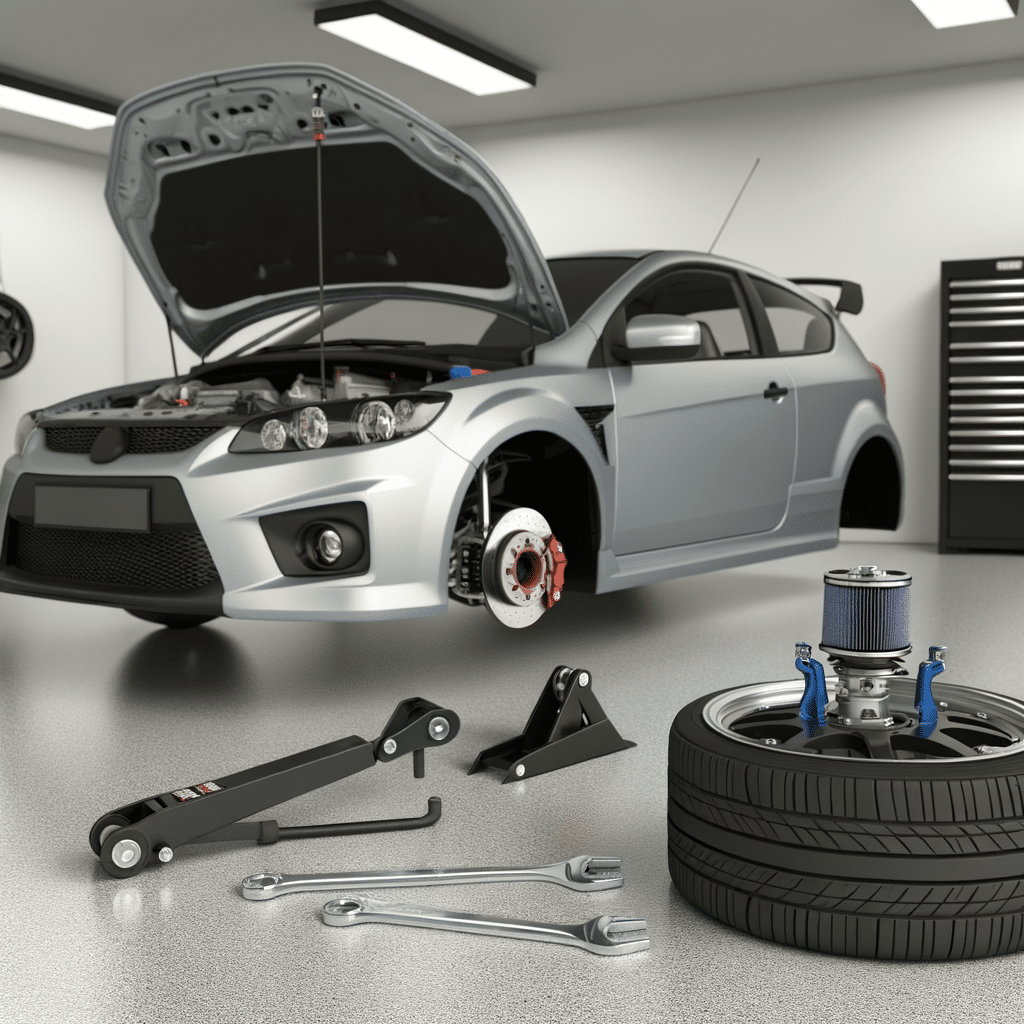
Car mods can make driving more comfortable, safer, or more fun. But the best mods depend on how you actually use your car. A commuter needs different changes than a weekend backroad driver. When mods match your driving style, the car feels better without becoming annoying, unreliable, or hard to live with.
What the modification or concept is
Choosing car mods for your driving style means picking changes that support your normal driving, not just what looks good online. “Driving style” includes where you drive (city, highway, mountains, off-road), how you drive (calm, sporty, heavy loads), and what matters most (comfort, control, sound, safety, tech, or durability).
Mods can be simple and reversible, like better tires or a phone mount. They can also be more involved, like suspension changes or brake upgrades. The key is matching parts to real needs and keeping the car balanced. One big change can create a new weak point somewhere else.
Why people do it
Most people mod for one or more of these reasons:
- Comfort: less road noise, better seating position, smoother ride feel.
- Control: better grip, sharper steering feel, more stable braking.
- Safety: improved visibility, better tires, better lighting, dash cam.
- Practical use: carrying gear, towing, handling rough roads, better storage.
- Tech: modern infotainment, phone integration, charging, camera upgrades.
- Style: appearance changes that still fit daily use.
When people choose mods without thinking about driving style, they often get harsh ride quality, extra noise, poor fuel economy, or parts that wear out faster.
Things to know before starting
Start with the car’s role. Write down how the car is used 80% of the time. That should drive most decisions. For help mapping a basic path, beginner car modification tips lays out common mod types and what they do.
Know your limits. Some mods are easy at home. Others need tools, alignment equipment, or shop experience. If you are new, begin with changes that are low risk and easy to undo.
One change affects others. Example: stickier tires can reveal weak brakes. Lowering a car can change alignment, tire wear, and ride height clearance.
Set a “no-regrets” rule for daily driving. If the car must start every morning, avoid mods that add constant noise, reduce ground clearance too much, or require frequent adjustments.
Think about maintenance. Performance parts can need more checks. Some aftermarket suspension parts wear faster than factory rubber parts. Plan for basic inspections.
Do the boring upgrades first. Tires, brakes, visibility, and basic maintenance usually give the biggest real-world improvement.
Step-by-step explanation
1) Identify your driving style (be specific)
Pick the closest match, or mix two if needed:
- City commuter: lots of stops, potholes, low speeds, tight parking.
- Highway traveler: long cruising, rain exposure, night driving.
- Spirited backroad driver: corners, elevation changes, short hard braking.
- All-weather driver: regular heavy rain, snow, or extreme heat.
- Utility driver: carrying tools, bikes, kids, pets, or towing.
- Light off-road: dirt roads, trailheads, uneven surfaces.
2) Choose your top three priorities
Limit it to three so the build stays focused. Examples:
- Comfort + safety + tech
- Grip + braking + chassis feel
- Durability + clearance + storage
3) Start with “contact and control” mods
These give the most noticeable change without changing the character of the car too much.
- Tires: Match the tire type to your use. Touring tires for quiet commuting. Performance summer tires for warm, dry sporty driving. All-season or winter tires for cold weather and snow. Avoid tires that are too aggressive for your climate.
- Brakes (pads and fluid first): For commuters, quality street pads and fresh fluid can improve pedal feel. For mountain roads or track days, you may need higher-temperature pads, but they can be dusty or noisy in daily use.
- Alignment: A proper alignment can improve stability and tire life. Aggressive alignment settings can wear tires quickly on a daily driver.
4) Pick suspension changes that fit your roads
Suspension is where many beginners go too far.
- City commuter: Focus on ride quality. Mild upgrades like better dampers (OE-style) can help without making the ride harsh. Avoid very stiff coilovers if you deal with potholes.
- Highway traveler: Stability matters. Fresh dampers and good tires can reduce wandering and improve comfort.
- Spirited driver: A mild drop, quality dampers, and sway bar upgrades can reduce body roll. Keep enough travel so the car does not bounce over rough corners.
- Light off-road: Look for moderate lift or slightly taller tires, plus underbody protection. Too much lift can hurt handling and increase wear on joints.
5) Add power only after the car is balanced
More power is fun, but it can stress the drivetrain and reduce reliability if the rest of the car is not ready.
- Daily driver priority: Keep it mild. Focus on smooth throttle response, cooling health, and maintenance.
- Sporty driving priority: Consider supporting mods first (tires, brakes, cooling). Then add mild power if needed.
If you want a good overview of what to do first, Car modding order helps keep upgrades in a sensible sequence.
6) Choose tech and comfort mods that reduce distraction
- Dash cam: Useful for commuters and highway drivers. DIY dash cam install is a common first project.
- Phone integration: If your car is older, adding modern phone features can make daily driving easier. apple carplay add on can be a practical upgrade.
- Lighting: Restore cloudy headlights and aim them correctly. Brighter is not always better if it creates glare for other drivers.
- Sound and vibration: Small sound-deadening changes can help, but adding too much material can add weight and cause trim fitting issues.
7) Re-check daily livability after each change
After every mod, test drive on the same roads you use most. Listen for rubbing, clunks, pulling, or new vibrations. Fix small problems early. If the car becomes tiring to drive, step back and adjust the setup.
It also helps to decide if the car is staying a daily or moving toward a build. The difference between daily driver vs project mods matters a lot when picking aggressive parts.
Common mistakes to avoid
- Buying parts for looks only: Extreme lowering, oversized wheels, or loud exhaust can make daily driving worse fast.
- Changing too many things at once: If something feels wrong, you will not know which mod caused it.
- Going too stiff on suspension: Harsh ride reduces grip on rough roads because the tire cannot stay planted.
- Ignoring tire basics: Wrong tire type for the season, low tread, wrong pressure, or cheap mismatched tires can ruin any build.
- Skipping alignment after suspension work: Poor alignment can cause unsafe handling and fast tire wear.
- Choosing track-focused brake pads for street use: They can squeal, dust heavily, and feel weak when cold.
- Forgetting ground clearance: Scraping becomes a daily problem with steep driveways, speed bumps, and winter roads.
Safety and legal considerations
Lighting rules: Headlights and bulbs must be the correct type and aimed properly. Illegal or poorly aimed lights can blind others and get you stopped.
Noise limits: Many areas have rules for exhaust sound. A loud system can also attract unwanted attention and cause long-trip fatigue.
Tires and wheel fitment: Tires must not rub at full steering lock or during suspension compression. Rubbing can damage tires quickly.
Brake and suspension work: If you are not confident, use a qualified shop. Mistakes here can cause loss of control.
Insurance and inspections: Some mods must be declared to insurance. Some areas have inspection rules for emissions and safety equipment. Check before major changes.
Final practical advice
Match mods to your most common driving, not your once-a-month driving. If you commute Monday to Friday, build for comfort, safety, and reliability first, then add small sporty changes.
Use a simple rule: change one category at a time (tires, then brakes, then suspension, then power, then tech). After each step, drive for a week and confirm the car still fits your routine.
If you want to start with easy wins, choose quality tires for your climate, refresh brakes and fluids, improve visibility, and add a dash cam or phone integration. Those changes usually make the car feel better every single day without creating new problems.


