


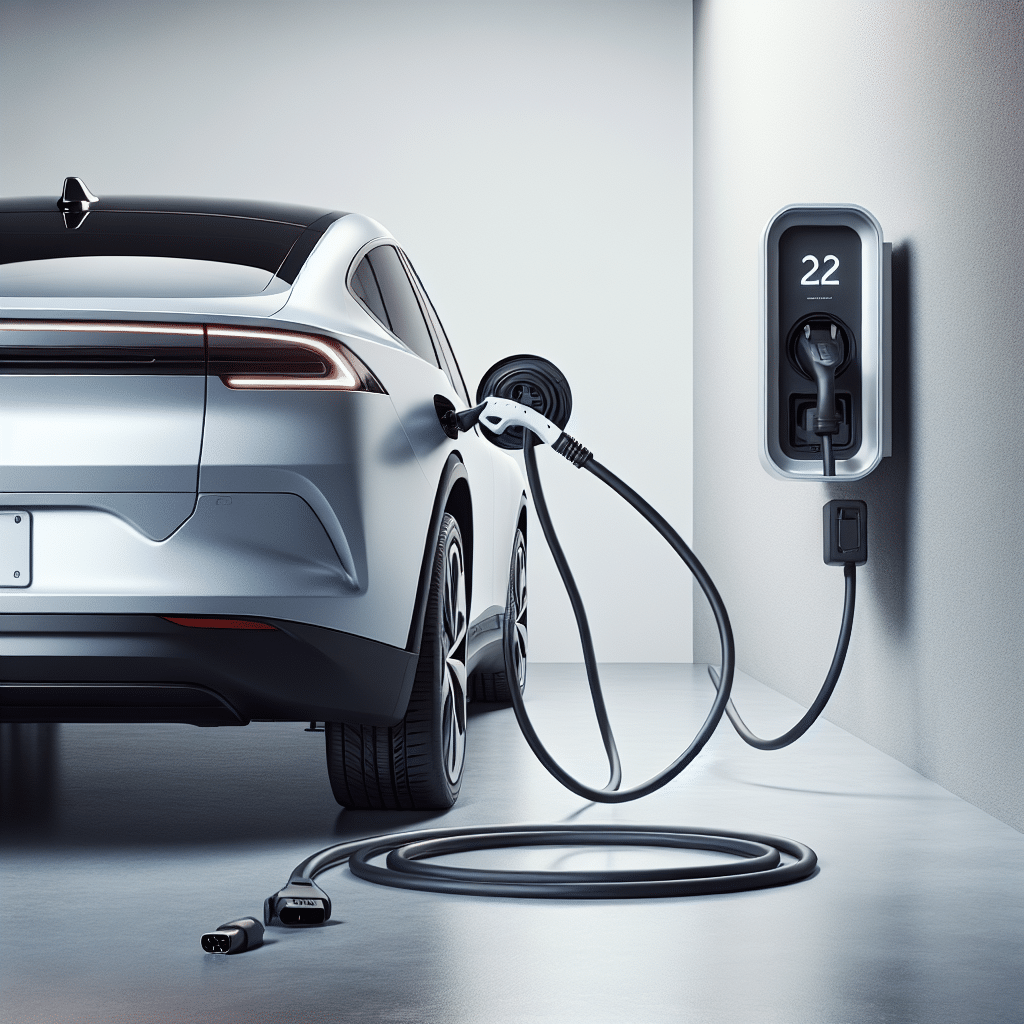
EVs are quiet, smooth, and easy to drive. But daily use can still bring small annoyances like messy charging cables, glare from the sun, a slippery phone, or a hot cabin. The right accessories can make day-to-day driving simpler without changing the car in a major way.
The goal is not to add flashy parts. It is to add helpful items that improve comfort, organization, charging routine, and safety. Most are low effort and easy for beginners to use.
What the modification or concept is
EV daily-driving accessories are add-ons that support how you use an electric car every day. They do not change the motor or battery. They help with:
- Charging setup and cable storage
- Phone mounting and device power
- Cabin comfort and cleanliness
- Visibility and safety
- Storage and organization
Some accessories plug into the car. Others stick on, clip in, or sit in the trunk. Most can be removed later with no permanent change, which fits beginner-friendly beginner car modification tips.
Why people do it
Many EV owners add accessories for simple reasons:
- Faster routine: less time dealing with cables, adapters, and phone setup.
- Cleaner interior: fewer marks, less dust, better protection from wet shoes and cargo.
- More comfort: better cabin temperature control, less sun glare, fewer rattles.
- Better safety: clearer rear view, better visibility, and video evidence if something happens.
- Less wear: protecting screens, seats, and the trunk area from daily damage.
Things to know before starting
Know your EV’s power limits. Some cars have USB ports that are only for data, not fast charging. Others shut off 12V outlets when parked. Check your owner’s manual for power output and what stays on during charging or camping mode.
Avoid blocking airbags and sensors. A phone mount on the wrong spot can block an airbag or a driver-assist camera. Keep mounts off airbag covers and away from camera housings near the mirror.
Heat matters. A dash mount, cable, or adhesive can fail in hot weather. Pick mounts made for high temperatures, and clean the surface before sticking anything on.
Charging gear must match your needs. If you charge at home most of the time, cable management helps most. If you use public chargers, a small kit in the trunk helps more.
Keep it simple. Too many add-ons can create rattles, extra glare, or clutter. Start with the items that fix real daily problems.
Step-by-step explanation
1) Fix your charging routine first
Charging is the most common EV task, so small improvements here save time every week.
- Cable organizer or wall hook (home): Keeps the connector off the ground and reduces dirt and strain on the cable.
- Trunk cable bag (portable): Stops the cable from sliding around and keeps the interior clean.
- Gloves and a small towel: Useful in rain or when public charger handles are dirty.
- Label adapters: If you carry more than one adapter, label them so you grab the right one fast.
Set a fixed place for every charging item. The goal is to grab, plug in, and leave with no searching.
2) Add a stable phone mount and clean charging
Phones are used for navigation, music, and charging apps. A bad mount can shake, fall, or block your view.
- Pick a mount location that does not block the road view or vents you rely on.
- Mount it on a flat, clean surface. Wipe with alcohol and let it dry first.
- Test steering wheel movement and stalk access before final placement.
- Use a short cable to reduce tangles, or use a wireless pad if your phone supports it.
If you want an easier infotainment experience, an apple carplay add on can reduce phone handling while driving.
3) Improve cabin comfort with simple add-ons
EVs can heat and cool quickly, but sunlight and glass areas can still make the cabin uncomfortable.
- Sunshades: A windshield shade lowers cabin heat and helps your AC work less when you return.
- Window tint or removable shades: Helps with glare and heat. Check local rules first.
- Seat gap fillers and small organizers: Stops keys and coins from sliding into hard-to-reach gaps.
- Screen protector: Reduces fingerprints and small scratches on large touchscreens.
Pick comfort items that do not add clutter. If it takes longer to use than the problem it fixes, skip it.
4) Protect high-wear areas for daily mess
Daily driving brings dirt, water, and cargo scrapes. Protection accessories help the car stay clean and reduce wear.
- All-weather floor mats: Helpful for snow, sand, and kids. Look for mats with high edges.
- Trunk liner: Protects from groceries, sports gear, and spills.
- Seat back protectors: Useful if you carry tools, strollers, or pets.
- Charging-port area cleaning kit: A soft brush and microfiber cloth help keep grit away from seals.
5) Add safety and visibility improvements
EVs are quiet, and traffic is busy. Visibility and recording can help in normal driving and parking.
- Dash cam: Helpful for crashes, close calls, and parking damage. If you want to install it cleanly, a DIY dash cam install can help you plan the routing and power choice.
- Blind-spot mirror add-ons: Small convex mirrors can reduce blind spots if set up correctly.
- Brighter reverse lights (if allowed): Makes reversing in dark areas easier, but the bulb type must match the car.
Keep safety items simple. A camera with a clear view and reliable power is better than a complicated setup that fails.
6) Reduce clutter with smart storage
Because EVs often have extra charging items, storage helps a lot.
- Pick one trunk box or organizer for EV gear only.
- Add a smaller pouch for daily items like wipes, a tire gauge, and a flashlight.
- Use a console tray insert to separate keys, cards, and coins.
- Do a quick clean-out once a week so stuff does not pile up.
For more simple improvement ideas that do not feel complex, simple car upgrades you can do can help you choose easy projects.
Common mistakes to avoid
- Mounting on unsafe spots: Do not place a phone mount where it blocks airbags, cameras, or driver view.
- Using cheap adhesive on hot dashboards: It can melt, slide, and leave residue.
- Overloading a 12V socket: High-power inverters and too many devices can blow fuses or create heat.
- Messy cable routing: Loose wires can snag feet or interfere with pedals in some cars.
- Buying gear that does not match charging style: Home-only drivers often do not need a big public charging kit, while road-trippers do.
- Ignoring rattles: Hard plastic organizers can rattle. Add thin foam tape where it touches trim.
Safety and legal considerations
Phone use laws. Many places require hands-free phone use. A stable mount helps keep your hands off the phone.
Window tint rules. Tint darkness limits are different by area. Front window tint is often more restricted than rear.
Dash cam audio and privacy. Some areas limit recording audio without consent. If your camera has a cabin mic, learn your local rules.
Do not block sensors. Some EVs have cameras and sensors near the windshield and bumpers. Do not place stickers, mounts, or plates in sensor zones.
Charging safety. Do not use damaged cables. Keep connectors dry and clean. Never force a connector that does not fit easily.
Final practical advice
Start with one problem you feel every week, like cable mess, phone wobble, or a dirty trunk. Buy one accessory to solve that problem, then test it for a few days. If it works, keep it. If it adds hassle, remove it.
Focus on accessories that save time, reduce clutter, and protect the car. Keep installations simple, keep your view clear, and keep cables secure. Small improvements done well can make an EV feel easier to live with every day.


