


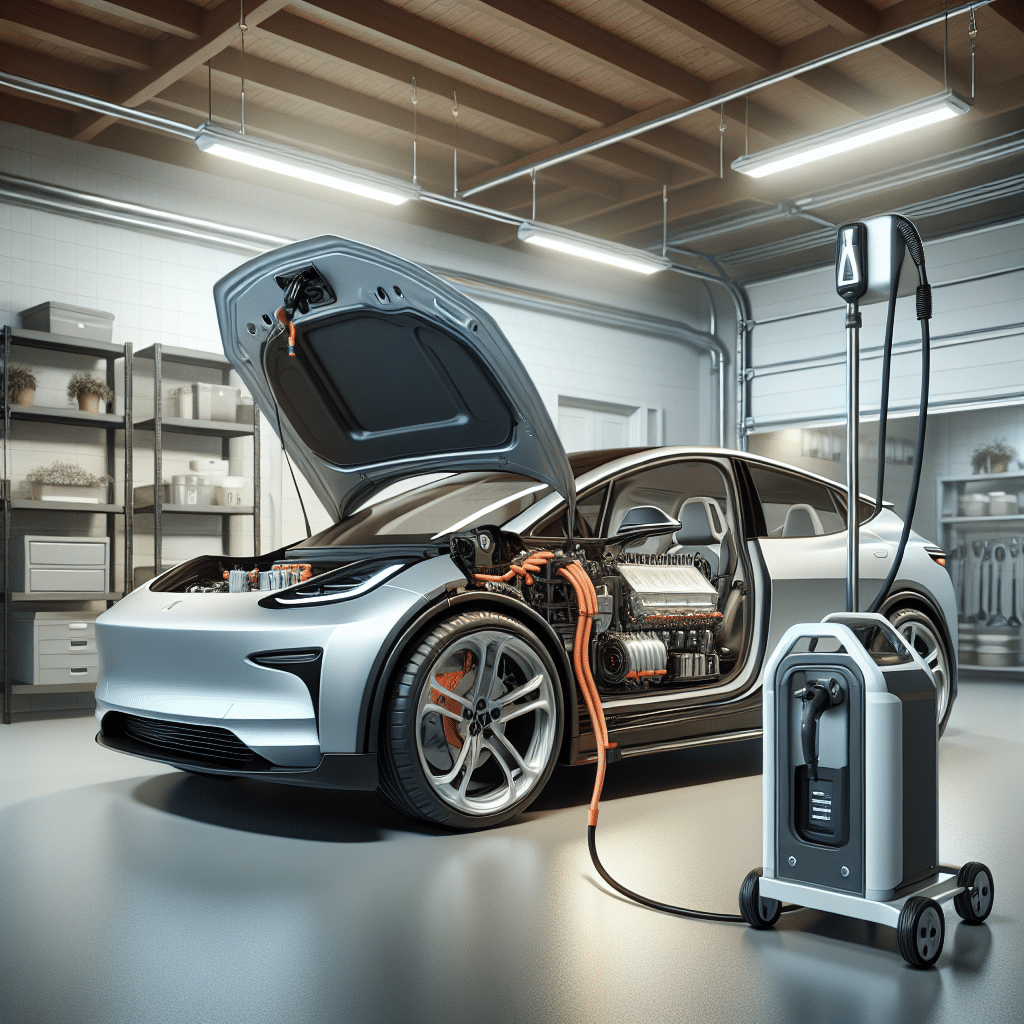
EV Owner’s Guide Basics What You Need to Know
Owning an electric vehicle (EV) feels familiar at first, but the basics are different from driving a gas car. Charging replaces fueling, battery care replaces oil changes, and driving habits can change your range a lot. Once you learn a few simple ideas, EV ownership becomes easy and predictable.
What the concept is
EV owner basics are the key habits and settings that help you charge correctly, plan trips, and take care of the battery and charging equipment. Instead of focusing on engine parts, an EV owner focuses on:
- Charging at home and in public
- Range and energy use
- Battery health over time
- Simple, low-maintenance service needs
Most EVs also have special features like regenerative braking, scheduled charging, and battery preconditioning. Learning these features early makes daily use smoother.
Why people do it
People learn EV basics for practical reasons:
- To avoid charging problems, like slow charging or blocked stations
- To reduce range stress by understanding real-world range
- To keep battery health strong so the car stays useful for years
- To save time by making home charging a routine
- To drive more comfortably with regen braking and better planning
EV basics are not about being “perfect.” They are about making EV driving feel normal and reliable.
Things to know before starting
Charging levels and what they mean
EV charging is usually talked about in “levels.” The names differ by region, but the idea is simple:
- Level 1: Standard wall outlet. Very slow, best for light daily driving.
- Level 2: 240V home or public charger. Good for overnight charging and daily use.
- DC fast charging: High-power public charging for road trips and quick top-ups.
Many new owners think fast charging is the main way to charge. For most people, home Level 1 or Level 2 does most of the work.
Range is not a fixed number
EV range changes with conditions. These factors can lower range:
- High speed driving
- Cold weather
- Strong headwinds and heavy rain
- Big hills or towing
- Low tire pressure
- Heavy use of cabin heat
Short trips in cold weather can be the worst case because the car uses energy to warm the battery and cabin.
Battery percentage habits
Many EVs suggest a daily charge limit (often around 70% to 90%) and a higher limit for longer trips. The goal is simple: avoid sitting at very high charge for long periods, and avoid running very low often. The exact best setting depends on the vehicle, so the owner’s manual matters.
Home setup matters
Before buying accessories or changing wiring, understand what you already have:
- Your parking spot distance to an outlet or panel
- Whether you can use a dedicated circuit
- Whether your charging cable can reach without tension
- How you will keep the cable off walkways
Many owners also like to add simple upgrades for daily comfort, like a dash cam. If you want one, a DIY dash cam install can be a clean weekend project.
Step-by-step explanation
1) Set up daily charging at home
- Pick a charging spot where the cable reaches the port without being stretched or pinched.
- Choose your power level. Use Level 1 if your daily driving is low. Use Level 2 if you need faster overnight charging.
- Set a daily charge limit in the car menu or app. Many drivers choose a middle range rather than 100% every day.
- Use scheduled charging if your utility rates change by time, or if you want charging to happen when the garage is cooler.
- Build a habit: plug in when you park at home. It is easier than waiting until the battery is low.
2) Learn public charging basics
- Know your plug type and what adapters (if any) you can use.
- Start with slower public chargers near home to practice the app or payment method without pressure.
- For road trips, plan stops with buffer. Arrive with extra charge so detours or a busy station will not ruin the trip.
- Fast charge smarter: fast charging is usually quickest from a lower state of charge. Charging from very high percent to 100% often slows down a lot.
3) Use regenerative braking the right way
Regenerative braking (regen) turns some slowing down into electricity for the battery. It can also change how the car feels:
- If your EV has adjustable regen, start at a mild setting until you get used to it.
- Lift off early and slow smoothly. Sharp stops reduce efficiency and comfort.
- In slippery weather, use a gentle setting if the car feels too aggressive when you lift.
Regen is not “free energy.” It just reduces waste compared to friction braking. Smooth driving still matters.
4) Improve real-world range with simple habits
- Drive a bit slower on highways if you need extra range. Speed has a big impact.
- Use seat heaters when possible instead of blasting cabin heat.
- Keep tires at the correct pressure. Low pressure increases rolling resistance.
- Remove unneeded weight from the car.
- Precondition while plugged in if your EV supports it, especially in cold weather.
5) Understand EV maintenance basics
EVs still need care, just in different areas:
- Tire wear can be faster due to vehicle weight and quick torque. Rotate on schedule.
- Brake pads can last longer because regen does much of the slowing, but brakes still need inspection.
- Cabin air filters still need replacement.
- Coolant systems may exist for battery and motors. Follow the service schedule.
For owners who like simple add-ons and small projects, a few DIY car upgrades at home can make daily driving more comfortable without changing the car’s core systems.
Common mistakes to avoid
- Charging to 100% every night when you do not need it. A daily limit is usually better for long-term battery comfort.
- Arriving at fast chargers with a very high battery percent, then wondering why charging is slow.
- Using a worn or overheated wall outlet for Level 1 charging. A loose outlet can get hot.
- Letting the cable hang under tension or closing doors on it. This can damage the connector.
- Ignoring tire pressure. It affects range and handling more than many new owners expect.
- Trusting the range display without context. Weather and speed can change the result quickly.
If you are also new to vehicle changes in general, a basic car modification guide helps separate safe upgrades from risky ones, which matters even more on EVs with high-voltage systems.
Safety and legal considerations
EVs add one major safety topic: high voltage. Most owners never need to touch it, and that is the point.
- Do not open high-voltage covers or orange-cable areas. Leave that to trained technicians.
- Use charging equipment that matches your circuit. If a plug or outlet feels hot, stop using it and have it checked.
- Keep cords dry and protected. Charging gear is weather-rated, but crushed or damaged cables are not safe.
- Follow local electrical rules for home Level 2 installation. Some areas require permits or licensed work.
- After a crash, do not touch damaged cables or parts under the car. Move to a safe area and call for help.
For interior electronics like infotainment add-ons, avoid tapping unknown wires. If you want an easier cabin tech upgrade, an apple carplay add on can be a safer path than modifying factory wiring on your own.
Final practical advice
Set up home charging first, then treat public charging as a backup and road-trip tool. Keep a simple routine: plug in at home, keep a sensible daily charge limit, and start trips with more buffer than you think you need until you learn your car’s real range. Drive smoothly, watch tire pressure, and use cabin heat wisely in winter. When something feels odd, like a hot outlet, a damaged cable, or repeated charging errors, stop and fix the root problem instead of working around it.


