


This post may contain affiliate links. Please read our disclosure and privacy policy for more information.
When people say they want to “mod” a car, they usually mean one of two goals: More comfort for daily driving, or more speed and performance. Beginners often mix parts from both sides and end up with a car that feels worse, costs more to fix, and is not enjoyable. Picking a clear direction early helps you spend time and money on changes that match how you really drive.
What the modification or concept is
Modding for comfort means changing parts to make the car easier to live with: Smoother ride, lower noise, better seats, better visibility, and less stress in traffic. Comfort mods often focus on suspension tuning for ride quality, cabin improvements, and small usability upgrades.
Modding for speed means changing parts to make the car faster or handle harder: More power, more grip, stronger braking, and tighter control. Speed mods often focus on traction, cooling, engine airflow, tuning, and weight control.
The key concept is trade-offs. Many “speed” parts reduce comfort. Many “comfort” parts add weight or reduce sharp handling. There is no perfect setup, only the setup that fits your real driving.
Why people do it
People choose comfort mods because they drive every day and want less fatigue. A rough ride, loud tires, and stiff suspension can make commutes feel longer. Comfort upgrades can also help passengers, especially on longer trips.
People choose speed mods because they want stronger acceleration, better cornering, or better braking feel. Some drivers enjoy track days, canyon roads, or just want a more responsive car. Speed builds also teach a lot about how vehicles work.
Many beginners want both, but the better path is to decide your main goal first, then add a few “supporting” mods from the other side. For daily cars that are lightly modified, it helps to follow Modified Daily Driver Basics so comfort and reliability stay in the plan.
Things to know before starting
Before buying parts, get clear on how you use your car. Ask yourself:
- How many miles do you drive weekly, and on what roads?
- Do you carry passengers often?
- Do you deal with potholes, snow, heavy rain, or rough pavement?
- Do you want quiet cruising, or do you like more road feel and sound?
Next, start from the base condition of the car. Worn suspension bushings, old tires, weak brakes, and overdue maintenance can make any mod feel bad. Fixing basics first often gives a bigger improvement than “upgrade” parts.
Also know that some mods force more changes. Lowering springs can change alignment. Sticky tires can expose weak brakes. More power can strain the clutch or transmission. Beginners do best by changing one system at a time and testing the result.
Finally, learn the difference between “feel” and real performance. A loud exhaust may feel fast but adds little speed. A good tire and correct alignment can improve results in a way you can measure.
Step-by-step explanation
1) Pick your main goal and set your limits
Choose one primary direction:
- Comfort-first: A calm, smooth daily driver with small performance improvements.
- Speed-first: A sharper car that may ride firmer and make more noise.
Set limits for noise, ride stiffness, and maintenance time. If you hate rattles and drone, avoid loud exhausts and extreme wheel and tire setups.
2) Start with tires and alignment
Tires affect comfort and speed more than most beginners think. For comfort, choose touring-oriented tires, smaller wheels, and a taller sidewall. For speed, choose performance-oriented tires with strong grip.
Keep fitment sensible. Extremely wide wheels or very low-profile tires often add noise, harshness, and rubbing issues. If you are unsure, review Car wheel fitment explained before buying wheels.
Then get a proper alignment. For comfort, aim for stable, even tire wear and straight tracking. For speed, you may add a little more negative camber, but keep it reasonable for street use.
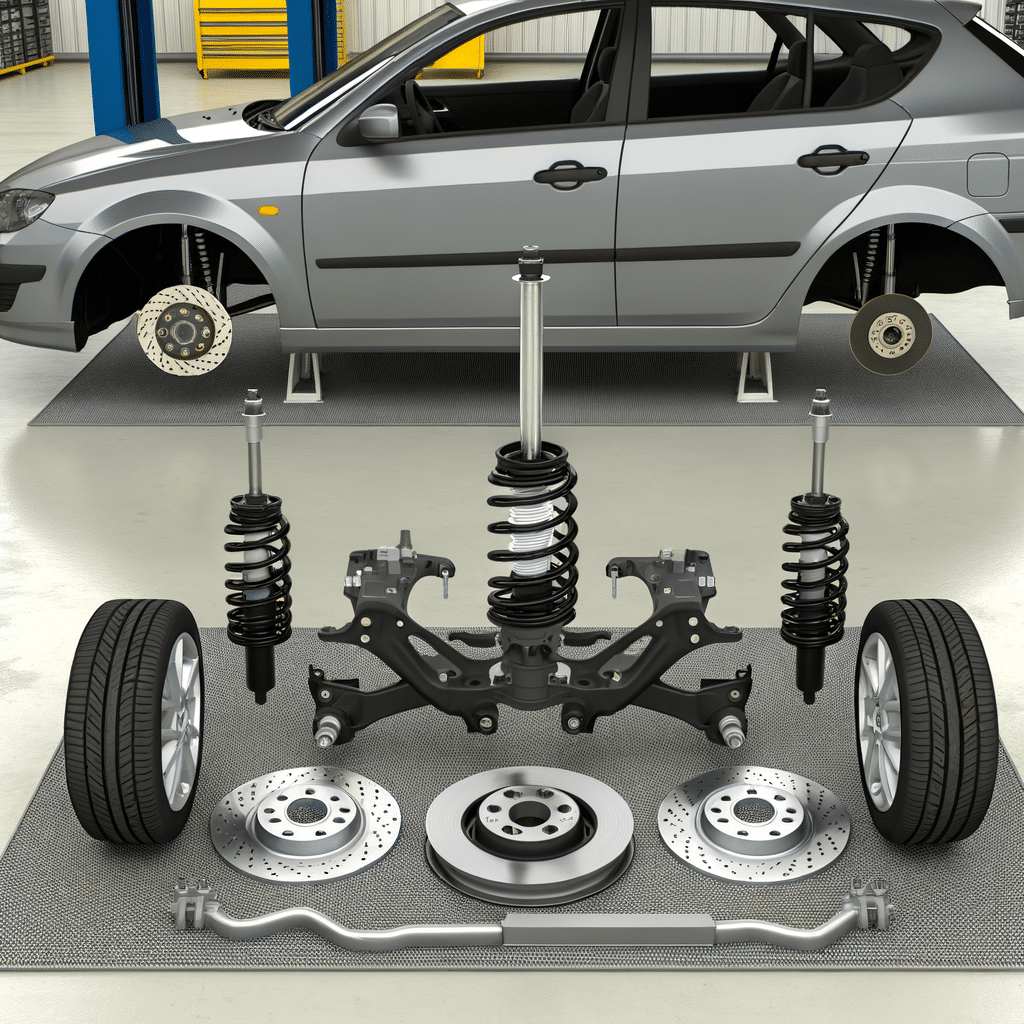
3) Choose suspension parts that match the goal
Comfort-first suspension:
- Quality shocks/struts matched to stock or mild springs
- Fresh rubber bushings if yours are worn
- Mild sway bar changes only if body roll bothers you
Speed-first suspension:
- Performance shocks/struts or coilovers set up correctly
- Better bushings and mounts if the chassis feels loose
- Sway bars and alignment settings tuned for cornering balance
Lower is not always better. Too low can reduce suspension travel, cause bottoming out, and make the car skip over bumps. That hurts real grip and makes the car tiring to drive.
4) Improve braking before adding big power
For comfort, good brakes mean smooth stops and consistent pedal feel. For speed, brakes must handle heat. Many beginners jump to “racing” pads and hate the result. Aggressive pads can squeal, dust heavily, and feel rough when cold.
A beginner-friendly path is: Fresh fluid, good pads for street use, healthy rotors, and good tires. If you hear noise after changes, use brake squeal causes and fixes to track down the real reason instead of guessing.
5) Add power in small, balanced steps
If your main goal is comfort, power mods should stay mild. Focus on smooth response, not peak numbers. If your main goal is speed, add power only after traction, brakes, and cooling are solid.
Common beginner-friendly power steps:
- Fix intake and vacuum leaks first
- Fresh spark plugs and filters where needed
- Exhaust changes only if they support the plan and stay tolerable for daily use
Big power changes can also change reliability and drivability. If you are thinking about larger engine changes, start with What upgrades fit your motor so supporting parts are not missed.
6) Make comfort upgrades that do not hurt the car
Comfort mods can be simple and still make a big difference:
- Seat comfort: Better seat support, correct seating position, and good floor mats
- Noise control: Fix door seals, trim rattles, and loose panels
- Climate comfort: Cabin air filter, working AC, and good defrost
- Cabin cleanliness: A deep clean can reduce smells and make the car feel newer
If the inside feels tired, follow car interior deep clean before buying cosmetic parts. A clean cabin often improves comfort more than small gadgets.
Common mistakes to avoid
- Chasing speed with the wrong parts: Loud exhaust, oversized intakes, or heavy wheels can make the car slower or less pleasant.
- Going too stiff too fast: Very stiff springs and cheap coilovers can reduce grip on real roads and create harsh impacts.
- Ignoring wheel and tire balance: A tire that is too wide, too low-profile, or poorly balanced can cause vibration and noise.
- Mixing goals without a plan: Comfort tires with aggressive alignment, or track pads on a quiet commuter, often feels wrong.
- Skipping maintenance: Old mounts, worn bushings, and bad ball joints can make any upgrade feel sloppy.
- Doing many changes at once: If the car feels worse, you will not know which part caused it.
Safety and legal considerations
Any mod that changes handling, braking, or power can affect safety. After suspension, wheel, or brake work, test in a safe area at low speeds first. Listen for rubbing, clunks, and pulling. If the car starts drifting to one side, diagnose it before driving hard. Problems like alignment or tire issues can show up as car pulls right causes.
For legal concerns, focus on these common areas:
- Exhaust noise: Many places have strict sound limits.
- Emissions equipment: Removing or altering emissions parts can be illegal and can cause inspection failure.
- Lighting and tint: Headlights, underglow, and dark tint rules vary by area.
- Tires and wheel coverage: Tires sticking out past fenders can be illegal in some regions and can throw debris.
If you are not sure, check local regulations before installing parts that change noise, emissions, or lighting.
Final practical advice
For most beginners, a comfort-first build with a few smart performance upgrades works best: Good tires, a quality alignment, fresh suspension parts, and dependable brakes. That setup feels better every day and still drives well when you want to push a little.
If you truly want speed, treat it like a system: Tires, brakes, suspension, and cooling first, then power. Keep notes, change one thing at a time, and test on the same roads so you can feel real differences.
When you feel stuck between comfort and speed, pick the mod that improves control without adding noise or harshness. Small, well-matched changes usually beat extreme parts on a street-driven car.


