


This post may contain affiliate links. Please read our disclosure and privacy policy for more information.
A car that takes too long to start in the morning usually has one core issue: The engine is cranking, but it needs extra time before it finally fires up. This can be intermittent at first, then become an everyday problem if the root cause is not handled.
What This Problem Feels Like
In the morning, you turn the key or press the start button and the engine cranks longer than normal before it starts. Instead of firing within a second or two, it may take 3 to 10 seconds, sometimes more.
Once it starts, it may run a little rough for a few seconds, then smooth out. Many drivers notice it happens most after the car sits overnight, not after a quick stop at a store.
Related signs you might notice (briefly) are a slightly slower cranking sound, dimmer dash lights while cranking, or needing a second try. Those extra signs help point to whether the issue is electrical or fuel-related, but the main symptom stays the same: It cranks too long when cold.
Is It Safe to Drive?
If the car starts and then runs normally, it is usually safe to drive short distances. But it is not something to ignore, because extended cranking can leave you stranded with little warning.
Driving becomes a higher risk if:
- The engine cranks slower each day
- You need multiple attempts to start
- It starts and stalls right away
- You smell fuel strongly after trying to start
If you rely on the car for work or school, treat this as a reliability problem. A “slow start” often turns into a “no start.” If you have ever dealt with a car won’t start after sitting situation, the early stage can feel like this.
Common Causes
These are listed from most common to less common for long morning cranks.
Weak battery or poor battery connections
Cold mornings are hard on batteries. A battery that is aging or partially discharged can still crank the engine, but it cranks slower and longer. The engine computer, injectors, and ignition system also need stable voltage while cranking. If voltage drops too low, the engine may take extra time to catch.
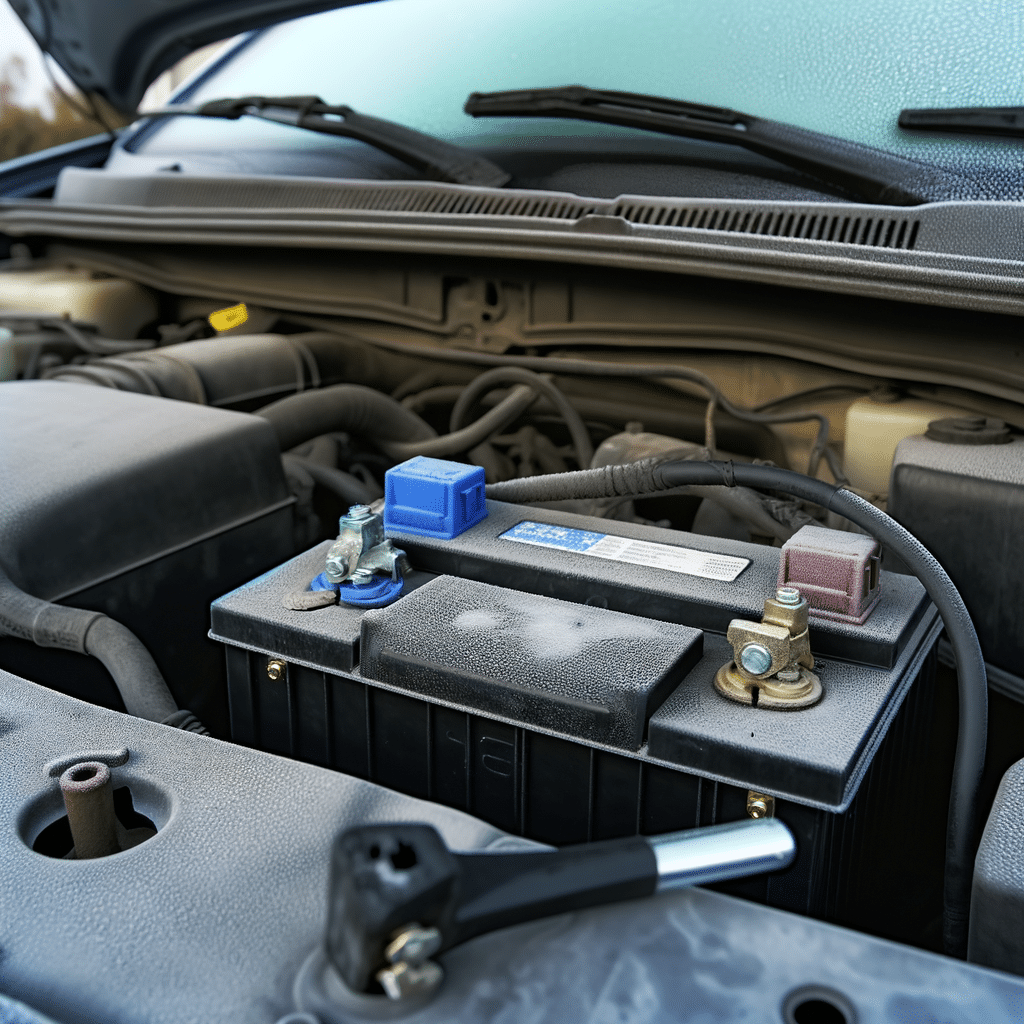
Loose or corroded battery terminals can cause the same problem. The battery may be fine, but the power cannot flow well during the heavy load of starting.
Failing starter motor (slow cranking under load)
A starter can wear internally and draw more power while spinning slower. You may hear a heavier, sluggish crank, especially when the engine is cold. This can look like a battery issue, and sometimes both are weak at the same time.
Fuel pressure bleeding down overnight
If fuel pressure drops while the car sits, the morning start can take longer because the fuel system needs time to build pressure again. After a long crank, the engine finally gets the fuel it needs and starts.
This is commonly caused by a leaking fuel injector, a weak fuel pump check valve, or a pressure regulator issue (depending on the vehicle design). It tends to show up more after the car sits for many hours.
Worn spark plugs or ignition problems that show up cold
Worn spark plugs can make cold starts harder. In the morning, the engine needs strong spark and the right air-fuel mix. If spark is weak, the engine may crank longer before it lights off.
Ignition coils and wires (on older designs) can also have marginal performance that is most noticeable in cold, damp conditions.
Dirty throttle body or carbon buildup affecting airflow at start
Some engines struggle with cold starts if the throttle body is dirty and airflow control at startup is not as stable as it should be. This can cause longer cranking and a brief rough idle right after it starts. You might also notice RPM fluctuates at idle once the engine is warm, but the slow morning start can appear first.
Engine coolant temperature sensor reading wrong
The engine computer uses coolant temperature to decide how much fuel to add at cold start. If the sensor reports the engine is warmer than it really is, the computer may not add enough fuel, and the engine takes longer to start. This can be inconsistent and worse on colder days.
Old fuel or moisture in the tank (less common)
If fuel has been sitting a long time or there is water contamination, starting can be harder, especially in cold weather. This is less common for daily drivers but can happen with vehicles that sit for weeks.
Quick Checks You Can Do at Home
These checks are meant to be safe and basic. If anything feels beyond your comfort level, stop and have it checked professionally.
Listen to the cranking speed
Pay attention to how the engine sounds while cranking:
- Fast and normal cranking but takes long to start: Often points toward fuel pressure bleeding off or an engine management issue.
- Slow, heavy, dragging cranking: More likely battery, terminals, ground cable, or starter.
Check battery terminals for corrosion and tight fit
With the engine off, look at the battery terminals. White or blue-green crust is corrosion. Also check that the clamps are not loose. A loose connection can cause long cranking and random electrical oddities.
If you see damaged cables, frayed wires, or a cracked battery case, do not ignore it. Battery issues can become a safety hazard.
Watch the lights while cranking
Turn the headlights on, then start the car. If the lights dim dramatically during cranking, suspect weak battery, poor connections, or a starter drawing too much current. Some dimming is normal, but it should not look like the lights are about to go out.
Note patterns: Only morning, or any time it sits?
Write down when it happens:
- Only after sitting overnight: Fuel pressure bleed-down and cold-start sensor issues move higher on the list.
- After any short stop too: Battery, starter, or ignition issues become more likely.
Pay attention to fuel smell after cranking
If you smell raw fuel from the exhaust after a long crank, it can mean the engine is getting fuel but not igniting efficiently right away. That can happen with worn plugs, weak ignition, or an overly rich start condition. If the smell is strong, do not keep cranking repeatedly. Let it air out and get it checked.
When This Becomes Serious
Long cranking in the morning becomes serious when it starts to create a real chance of stalling, no-start, or fuel washing the cylinders.
Stop driving and arrange service soon if:
- The crank time is getting longer each week
- The car starts, then dies within a few seconds
- The check engine light starts flashing or the engine runs very rough right after starting
- You hear clicking (possible low voltage) or grinding (possible starter engagement issue)
- You see smoke, smell burning, or notice hot battery cables
If it cranks and you also hear unusual noises from the drivetrain after it starts, treat that as separate and urgent. Do not combine symptoms. For example, a car jerks 1st to 2nd concern is a different problem, even if it shows up around the same time.
How a Mechanic Fixes It
A shop will usually start by separating the problem into two buckets: Cranking speed (electrical) versus fuel/air/spark delivery (engine management).
Battery and starting system testing
A mechanic will load-test the battery, check charging system output, and measure voltage drop across the battery cables and grounds during cranking. Voltage drop testing is important because a battery can test “okay,” but corroded cables can still starve the starter and engine electronics.
If the starter is drawing too much current or turning too slowly, it may be replaced after confirming the battery and cables are healthy.
Fuel pressure and leak-down diagnosis
If the crank speed is normal, the next step is often checking fuel pressure and how well it holds after shutdown. If pressure drops too fast, the mechanic will narrow it down to a pump check valve, regulator issue, or injector leak.
Fixes can include replacing a weak pump, repairing a regulator system (vehicle-dependent), or addressing leaking injectors.
Ignition and sensor checks
If fuel pressure is okay, the shop may inspect spark plugs and check ignition performance during cold start. They may also scan live data to see if the coolant temperature reading makes sense when the engine is cold. A sensor that lies to the computer can cause poor cold fueling and long cranks.
Airflow and intake service when needed
If the throttle body is sticking or dirty enough to affect airflow at start, cleaning and an idle relearn procedure (where required) may be done. This is vehicle-specific and should be handled correctly to avoid creating new idle issues.
Common Mistakes to Avoid
- Ignoring it because it still starts: Long cranking is often the warning stage before a no-start.
- Replacing the battery without checking terminals and grounds: A new battery will not fix a bad connection for long.
- Holding the key too long repeatedly: Extended cranking can overheat the starter and drain the battery quickly.
- Jump-starting daily as a routine: Jumping can mask the real problem and stress the electrical system.
- Throwing aftermarket parts at it: Poor-quality electrical and fuel parts can create new issues. If you do install non-OEM parts, stick to proven sources and good fitment, similar to the mindset in choosing quality parts.
Related Problems to Watch For
These are not the same problem, but they sometimes show up alongside long morning starts:
- Rough idle for the first 10 to 30 seconds: Can point toward ignition wear, fueling balance, or airflow control.
- Random stalling after it finally starts: If that happens, treat it as its own concern, like car stalls when slowing, even if the timing makes it feel connected.
- Battery dying after short trips: Can suggest charging system or battery health issues.
Final Thoughts
If your car takes too long to start in the morning, start by paying attention to crank speed and checking the battery terminals and cables. If cranking sounds strong and normal but it still takes several seconds to fire up, book a diagnosis soon for fuel pressure bleed-down and cold-start sensor data.
Do not wait until it becomes a no-start. Long cranking is one of the clearest early warnings your car gives you, and fixing it early is usually simpler and safer than dealing with a dead car at the worst time.


