




This post may contain affiliate links. Please read our disclosure and privacy policy for more information.
A dash trim kit can make an older interior look fresh. It can also cover scratches, sun fade, and small cracks. The job is not hard, but it rewards patience. If you take your time with cleaning and test fitting, the pieces will sit flat and look factory.
Tools and Items Needed
- Dash trim kit (pre-cut for your vehicle and trim level)
- Microfiber towels (clean and lint-free)
- Interior cleaner (safe for plastics)
- Isopropyl alcohol (70% to 90%)
- Plastic trim removal tools
- Painter’s tape
- Small scissors or a sharp hobby knife (only if the kit allows minor trimming)
- Heat source: Hair dryer or heat gun on low (optional)
- Adhesion promoter (optional, only if the kit maker recommends it)
- Nitrile gloves (optional, keeps oils off adhesive)
Safety or Legal Notes
Do not place trim pieces over airbags, airbag seams, or any panel that needs to break away. If a kit includes pieces near the passenger airbag area, double-check your owner’s manual and the kit instructions. Also avoid covering warning lights, climate sensor grilles, and any buttons that must be easy to reach while driving.
If you plan to remove factory trim panels to wrap or paint them instead, disconnect the battery and follow safe procedures around airbag wiring. For a simple stick-on dash kit, you usually do not need to disconnect the battery.
Numbered Installation Steps
1. Confirm the kit matches your car
Before you peel any backing, lay every piece out on a table. Compare them to the dash areas they will cover. Make sure cutouts match your vents, hazard switch, radio, and climate controls. If your car has different options than the trim kit expects, stop and contact the seller.
If you are new to buying aftermarket interior parts, use a simple checklist like an aftermarket parts guide approach: Correct year, correct trim level, correct audio setup, correct climate control type.
2. Clean the dash like the adhesive depends on it
Most dash kits fail because of bad prep. Dressings, silicone sprays, and oily cleaners leave a film that makes tape lift.
- Clean the area with interior cleaner first. Wipe dry.
- Wipe the same area with isopropyl alcohol on a clean microfiber towel.
- Let it air dry for a few minutes.
Do not rush this step. You want the surface squeaky clean and dry.
3. Do a full dry fit
Hold each piece in place without removing any adhesive backing. Check:
- Edges line up evenly
- No buttons are blocked
- Vents still move freely
- The piece does not hit the shifter or steering wheel when moving
If a piece looks off by even a few millimeters, figure out why now. Some kits are made to sit on top of the factory trim, not inside the opening.
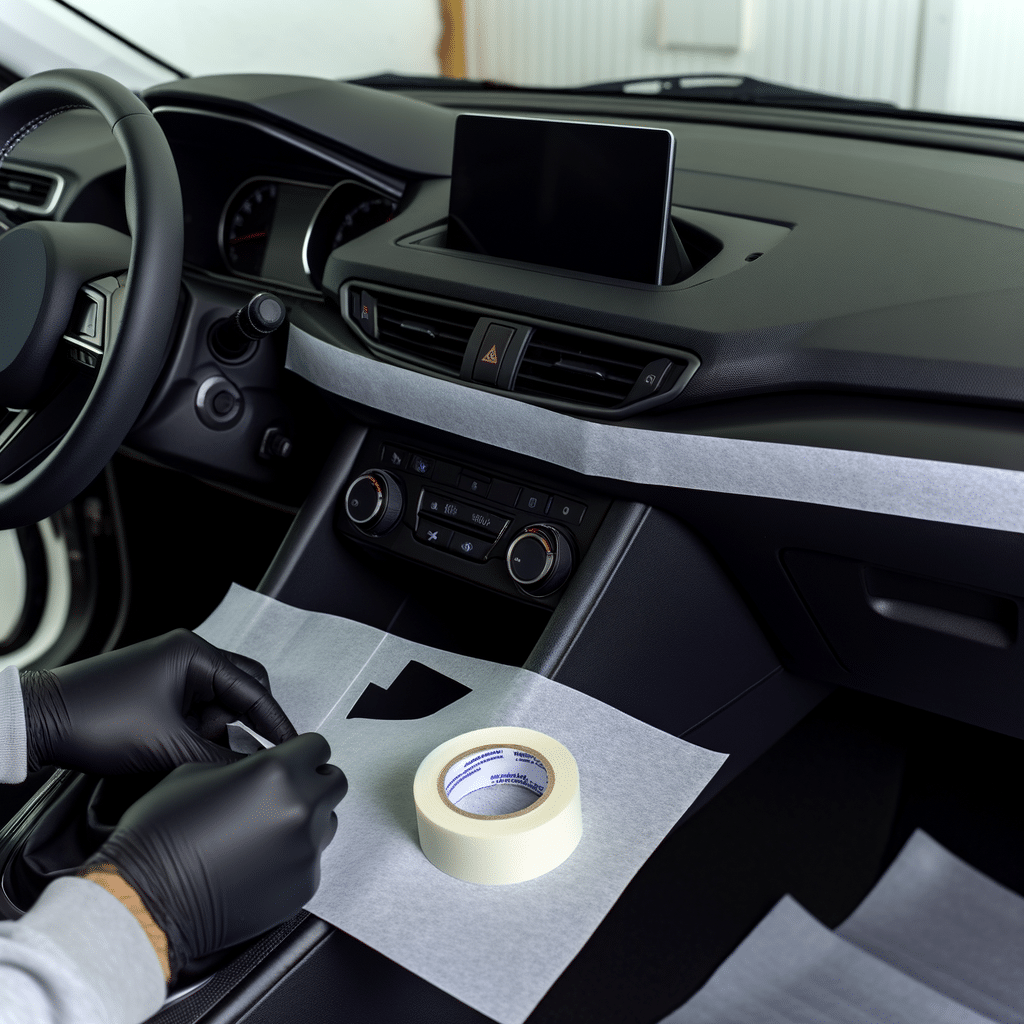
4. Mark alignment points with painter’s tape
Once a piece is in the right spot, place small strips of painter’s tape as guides. Put one strip at a corner and one along a straight edge. These tape “marks” help you land the piece correctly when the adhesive is exposed.
5. Warm the cabin and the trim pieces (optional but helpful)
Adhesive tape sticks better when warm. If it is cold outside, run the heater for a bit. You can also warm each trim piece with a hair dryer. Keep the heat moving and use low heat. The goal is mild warmth, not hot plastic.
6. Peel and stick in a controlled way
Work one piece at a time. Start with the easiest and flattest pieces first. Larger and curved parts are harder, so save them for when you feel comfortable.
- Peel back a small section of the tape liner, not the whole thing.
- Line the piece up using your painter’s tape guides.
- Press the piece lightly to “set” the position.
- Slowly pull the rest of the liner while holding the piece in place.
If the piece is slightly off, do not force it down. Some tapes allow a quick lift and re-place in the first few seconds. After you press hard, re-positioning can bend the trim or stretch the tape.
7. Apply firm pressure, especially on edges
Press firmly across the full piece for 30 to 60 seconds. Focus on:
- Corners
- Thin edges near vents
- Areas with texture under the piece
Use your fingers and a clean microfiber towel. Avoid pushing so hard that you crack a thin piece.
8. Check movement and function
After a few pieces are installed, test the basics:
- Turn knobs and press buttons
- Move vent tabs
- Check that the hazard switch is easy to hit
- Make sure nothing rubs when you shift (if close to the shifter)
If you are doing other interior updates, like Install pedal covers, finish the dash first. Dash pieces are easier to align when you are not stepping in and out of the car for other jobs.
9. Let the adhesive cure
Most trim kit tape needs time to bond. For the next 24 hours:
- Avoid harsh cleaners
- Do not pick at edges
- Try not to park in heavy rain with windows cracked
If it is very hot and sunny, use a shade or park in the garage. Heat can help tape bond, but extreme heat can also soften some plastics while the tape is still settling.
Common Mistakes
- Skipping the alcohol wipe: Interior shine products are the enemy of tape.
- Peeling all the backing at once: The piece grabs too early and lands crooked.
- Touching adhesive with bare fingers: Skin oils reduce stick. Gloves help.
- Installing in cold weather: Tape gets stiff and edges lift later.
- Covering sensors or airbag seams: That is a safety problem. Do not do it.
- Assuming “mod parts fit everything”: Many different dash layouts exist in the same model year. If you want a reality check, skim Car modding myths and you will spot the common traps fast.
Maintenance Tips
Dash trim kits are low maintenance. A few habits keep them looking good:
- Clean with a damp microfiber towel or gentle interior cleaner.
- Avoid oily dressings on the trim edges. They can creep under the tape over time.
- Do not use abrasive pads. They can scratch glossy finishes.
- If a corner starts to lift, warm it slightly and press it down. If it keeps lifting, remove that piece and replace the tape. Do not glue it with super glue.
If your interior needs a bigger reset, do the deep clean first and then install the trim. A full car interior deep clean helps the adhesive stick to a truly clean surface.
Is It Worth It?
For most beginners, yes. A dash trim kit is one of the easiest visual upgrades you can do at home. It is also reversible if you use quality tape and take your time on removal later.
It is worth it if your dash has fading, small scratches, or mismatched panels. It is not worth it if your dash is already peeling, cracked badly, or warped. In that case, the kit may highlight the damage instead of hiding it.
Also be honest about style. Some finishes look great in photos but feel too shiny in real life. If you want a subtle look, pick matte or satin over high-gloss.
Conclusion
Installing a dash trim kit is a simple DIY project that can change how your whole cabin feels. Clean the surface well, dry fit every piece, and stick them down slowly using tape guides. Give the adhesive time to set, and avoid harsh products on the edges. With patience, even a first-timer can get a clean, factory-like result.


