




This post may contain affiliate links. Please read our disclosure and privacy policy for more information.
Dirty fuel injectors can make your car feel weak. You may notice rough idle, slow starts, and worse gas mileage. Fuel injector cleaning at home can help if the problem is light buildup, not a broken injector. This guide shows a simple way beginners can do it, with clear steps and safety notes.
Tools and items needed
- Fuel injector cleaner (a quality bottle made for your fuel type)
- Full tank of the correct fuel (gas or diesel)
- Basic hand tools (screwdriver, small socket set)
- Shop towels or paper towels
- Nitrile gloves and safety glasses
- Flashlight
- OBD2 scan tool (optional, but helpful for checking codes)
- New fuel injector O-rings (only if you remove injectors)
- Small container for bolts and clips
Safety or legal notes
Work on a cool engine. Fuel and fuel vapors can catch fire. Do the job outside or in a well-ventilated area. Keep cigarettes, heaters, and sparks away.
If you plan to unplug injectors or remove the fuel rail, you must relieve fuel pressure first. Some cars hold pressure for a long time after shutdown. If you skip this, fuel can spray.
Also note: Some areas have rules about modified emissions parts. Cleaning is normal maintenance, but if you remove emissions equipment or change tuning, you may break local laws.
Numbered installation steps
Method 1: In-tank cleaner (easiest and safest at home)
This is the best starting point for most people. It will not fix a dead injector, but it can improve spray pattern when deposits are mild.
- Good for: Light hesitation, slightly rough idle, small MPG drop
- Not good for: Misfire codes that keep coming back, leaking injector, electrical injector faults
1. Confirm you are using the right cleaner. Check the label. Some cleaners are for gasoline only. Some are safe for direct injection, some are not. If you are not sure, use a cleaner that states it is safe for your injection type.
2. Start with a low fuel level. Drive until you are close to a quarter tank. This helps the cleaner mix at the right strength.
3. Add the cleaner to the fuel tank. Turn the engine off. Open the fuel door. Pour the cleaner in slowly. Wipe drips right away.
4. Fill up with fuel. Fill the tank right after adding the cleaner. This mixes it well.
5. Drive the car normally, then do a longer drive. Take a 15 to 30 minute drive with steady speed when possible. A highway drive helps. Do not drive aggressively on a cold engine.
6. Watch for changes over the next tank. Many cars feel smoother within 20 to 50 miles. Some take a full tank. If your idle improves and throttle feels cleaner, the injectors likely had mild buildup.
7. If the check engine light is on, scan it. If you have codes like P0300 to P0304, injector cleaning might not be enough. You need diagnosis. If you want a simple first electrical check before deeper work, start with DIY battery terminal cleaning, because low voltage can make many issues look worse.
Method 2: Pressurized rail cleaning (advanced, only if you have the correct kit)
This method feeds cleaner through the fuel rail. It can work better than in-tank cleaner. But it has higher fire risk and more ways to damage parts if done wrong. Only do it if you have a proper injector cleaning kit made for your engine and you can follow the kit instructions.
1. Relieve fuel pressure. Common ways are pulling the fuel pump fuse or relay and cranking the engine, or using the service port if your car has one. Your owner manual or repair manual will show the right method.
2. Disable the fuel pump. Leave the fuse or relay out. The goal is to keep the car from pulling fuel from the tank during the cleaning.
3. Connect the cleaning kit to the fuel rail. Some cars have a test port. Many newer cars do not. If your car has no safe connection point, stop here. Do not force adapters onto plastic lines.
4. Run the engine on the cleaning fluid. Follow the kit pressure specs. Start the engine and let it idle until the fluid is used. Some kits call for light throttle blips. Do not race the engine.
5. Reconnect everything and check for leaks. Reinstall the fuel pump fuse or relay. Start the car. Look and smell for fuel leaks.
Method 3: Removing injectors for cleaning (hard, not ideal for most beginners)
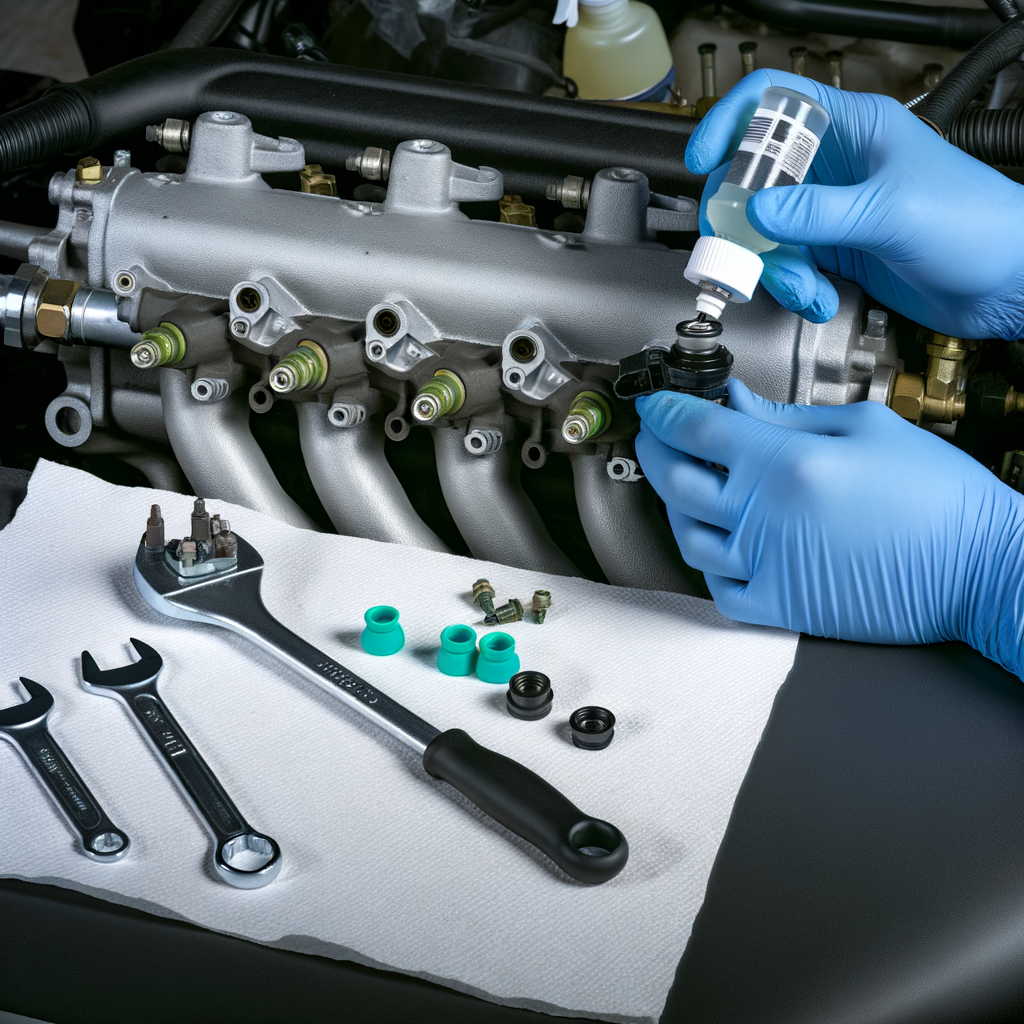
People often ask about removing injectors and spraying cleaner through them. This is risky. You can tear O-rings, crack plastic connectors, or create fuel leaks. Also, true injector testing is done with flow equipment. If you remove injectors, plan on new O-rings and careful reinstall.
1. Disconnect the battery. Remove the negative terminal first.
2. Relieve fuel pressure. Do not skip this step.
3. Remove intake parts blocking access. Take pictures as you go. Label hoses if needed.
4. Unplug injector connectors. Many have small lock tabs. Do not pry hard. If a connector breaks, you may create a misfire later.
5. Remove the fuel rail bolts and pull the rail evenly. Rock gently. Pull straight. Do not bend the rail.
6. Remove injectors and replace O-rings. Lubricate new O-rings with a tiny amount of clean engine oil. Then reinstall.
7. Prime the system and check for leaks. Turn the key to ON for a few seconds, then OFF. Repeat a few times. Then start the car and check around each injector for wet spots.
If you are still learning your way around DIY work, it helps to follow other small projects first. Simple upgrades like a DIY emergency car kit build confidence before you touch fuel parts.
Common mistakes
- Using too much cleaner: More is not better. Follow the bottle directions.
- Cleaning when the real problem is ignition: Bad spark plugs or coils can feel like dirty injectors.
- Ignoring vacuum leaks: A cracked hose can cause rough idle even with clean injectors.
- Skipping fuel pressure relief: This can spray fuel and create a fire risk.
- Reusing old injector O-rings: This can cause leaks and fuel smell after the job.
- Buying the cheapest fuel: Low-quality fuel can bring the problem back faster.
Maintenance tips
Fuel injectors stay cleaner when the rest of the system is healthy. These habits help:
- Use good fuel from busy stations. Old fuel can leave more deposits.
- Do not run the tank very low all the time. Sediment can end up in the fuel system.
- Replace the engine air filter on time. A clogged filter can change how the engine runs.
- Fix check engine lights early. A small issue can cause heavier deposits later.
- Use in-tank injector cleaner only as needed. For many drivers, every 5,000 to 10,000 miles is plenty. If your car runs great, you can do it less often.
If your goal is better drivability, keep expectations realistic. A cleaner injector can smooth the engine, but it will not turn a slow car into a fast one. If you are comparing different types of mods, Performance vs style mods can help you think about where your time and money actually go.
Is it worth it?
Yes, home injector cleaning is worth it when symptoms are mild and the car has normal wear. The in-tank method is cheap, fast, and low risk. You might feel smoother idle, quicker starting, and slightly better throttle response.
No, it is not worth it if you have a hard misfire, injector circuit codes, or fuel leaks. In those cases, cleaning can waste time. You may need proper diagnosis, injector replacement, or professional ultrasonic cleaning with flow testing.
If you want a stronger pedal feel and your engine is already healthy, other options may make a bigger difference than injector cleaner. A DIY throttle response controller changes pedal mapping, which can feel more noticeable than cleaning in some cars.
Conclusion
Cleaning fuel injectors at home can help your engine run smoother and respond better, especially if buildup is light. Start with an in-tank cleaner and a good drive. Move to more advanced cleaning only if you have the right tools and you understand fuel safety. If problems stay after cleaning, stop guessing and diagnose the real cause.


