


This post may contain affiliate links. Please read our disclosure and privacy policy for more information.
That small gap between your seat and center console is a magnet for dropped fries, coins, and keys. Seat gap fillers block that space. They keep your cabin cleaner and save you from digging around near the seat rails.
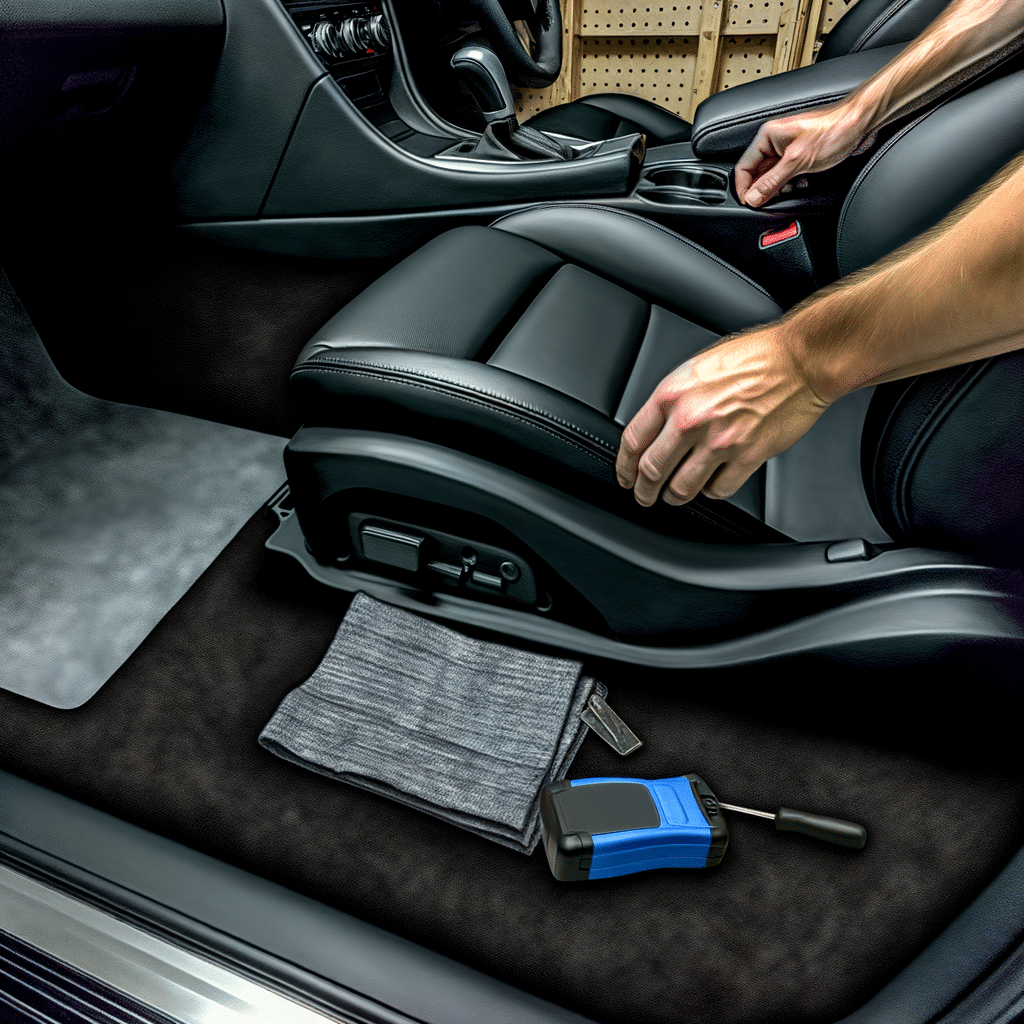
This is a simple at-home install. Most fillers take 10 to 20 minutes. You do not need special skills, but you do need to place them correctly so they do not mess with the seat belt, seat movement, or airbags.
Tools and items needed
- Seat gap fillers (pair for driver and passenger)
- Microfiber towel or soft rag
- Vacuum (hand vac or regular vacuum with a crevice tool)
- Mild interior cleaner (optional)
- Plastic trim tool or old gift card (optional, for tucking edges)
- Flashlight (optional, to see deep in the gap)
If you are also doing other small interior upgrades, Install car phone mount is another quick job you can do in the same afternoon.
Safety or legal notes
Seat gap fillers are usually safe, but only if they do not block anything important.
- Do not block the seat belt buckle. The buckle must move freely and click in straight.
- Do not interfere with seat sliders or power seat wiring. The seat must travel full range without resistance.
- Be careful around airbag areas. Some cars have seat-mounted airbags on the outer seat side, but you still do not want anything pushing on seat trim or wiring.
- If your filler has a strap that loops around the buckle, keep the strap flat and away from the latch mechanism.
If anything feels tight, binds up, or changes how the belt clicks, stop and reposition the filler.
Numbered installation steps
1. Pick the right style for your car
Before you install, confirm the filler matches your layout.
- Foam drop-in blocks: Soft, fast install, good for most cars.
- Leather-style or vinyl fillers: Cleaner look, usually more firm.
- Wide console fillers: Better for big gaps, but must not rub the seat when it moves.
- Fillers with a buckle slot or strap: Helps them stay in place, but the buckle must still work smoothly.
If you are new to simple interior changes, it can help to understand the difference between cosmetic and functional parts. This Visual mods vs mechanical mods guide explains it in plain terms.
2. Move the seat and inspect the gap
Slide the seat all the way back. Then slide it all the way forward. Watch the area between the seat and console.
- Look for seat tracks, wiring, and plastic trim that could snag the filler.
- Check where the seat belt buckle sits at each seat position.
- Note if the gap gets wider or narrower as the seat moves.
This quick check prevents most problems later.
3. Clean the area first
Seat gap fillers work best on a clean surface. Also, once the filler is installed, it will block easy access to the deep gap.
- Vacuum the gap and along the console edge.
- Wipe the side of the seat cushion and the console edge with a microfiber towel.
- If the area is sticky, use a mild interior cleaner, then dry it.
If you already have rattles or loose pieces near the console, fix that first. A filler can hide the sound for a while, but it will not solve it. Use Fix loose interior panels if something is moving or clicking.
4. Test fit the filler without forcing it
Place the filler on top of the gap and line it up from front to back.
- The top edge should sit level with the seat cushion, not above it.
- The filler should touch the console lightly, not press hard into it.
- If there is a notch for the buckle, align it now.
If the filler seems too tall, do not shove it down. A filler that is too big can bend, pop out, or rub the seat every time you get in.
5. Install the filler in the correct direction
Most fillers are tapered. The thicker side usually goes down into the gap.
- Start at the front of the seat, then work toward the rear.
- Press down with your palm in small sections.
- If needed, use a plastic trim tool or old gift card to tuck the edge in. Do not poke deep near wiring.
Take your time here. A straight install looks better and holds better.
6. Deal with the seat belt buckle area
This is the most important part.
- If your filler has a buckle slot: Slide the filler so the buckle sits in the slot without twisting the belt stalk.
- If your filler has a strap: Wrap it around the buckle base only if the instructions say so, and keep the strap away from the latch.
- If your filler has no buckle feature: Leave a small clearance so the buckle can tilt and return normally.
Click the seat belt in and out several times. It should feel exactly the same as before.
7. Check seat movement and clearance
Now do a full function check.
- Slide the seat forward and back through the full range.
- If you have a power seat, run it up, down, tilt, and recline.
- Listen and feel for rubbing, binding, or new squeaks.
If the filler shifts, remove it and try again. Some cars need the filler slightly more toward the console, while others need it more toward the seat.
8. Final tidy-up
Wipe fingerprints off the filler and console edge. Then do a quick look from outside the car. If it looks even and sits flat, you are done.
If you like clean, simple interior changes, an OEM+ style car guide can help you pick upgrades that look factory without going overboard.
Common mistakes
- Blocking the seat belt buckle: If the buckle catches or sits at a weird angle, reposition the filler.
- Forcing a filler that is too large: This can cause rubbing on the seat or console and can make the filler pop out.
- Ignoring seat movement: A filler that fits with the seat back might bind with the seat forward.
- Pushing tools too deep into the gap: You can snag wiring under the seat.
- Installing over crumbs and coins: The filler may not sit flat, and smells can stay trapped.
Maintenance tips
Seat gap fillers do not need much care, but a little maintenance keeps them looking good.
- Vacuum along the top edge when you clean the interior. Dust collects there.
- If the filler is foam, spot clean with mild cleaner on a towel. Do not soak it.
- If the filler is vinyl or leather-style, wipe with a damp cloth and dry it right away.
- Check the fit every few weeks. If it has shifted, reseat it before it starts rubbing.
When you remove them for deep cleaning, take a moment to vacuum under the seats too. That area fills up fast.
Is it worth it?
For most drivers, yes. Seat gap fillers fix a real annoyance. They stop small stuff from falling into hard-to-reach places. They also help keep the seat tracks cleaner, which is nice if you move the seat often.
They are most worth it if you:
- Eat in the car sometimes
- Carry kids or pets
- Drop your phone or keys between the seat and console a lot
- Hate cleaning deep gaps
They may not be worth it if your gap is tiny already, or if your seat belt buckle sits in a way that makes fitment awkward. In that case, a good vacuum routine might be enough.
If you are building a list of small upgrades and want to keep expectations realistic, realistic expectations for car mods is helpful for choosing what is actually useful day to day.
Conclusion
Installing seat gap fillers is a fast DIY job that makes daily driving nicer. Clean the gap first, fit the filler gently, and double-check the seat belt buckle and seat movement. Once they sit right, they quietly do their job and keep your interior cleaner with almost no effort.
Tools Used In This Guide
If you want to install seat gap fillers and clean the area properly before installation, the following tools can make the job quicker and easier.
| Tool | Image | What It Helps With |
|---|---|---|
| Seat Gap Fillers |
|
Blocks the gap between the seat and center console to prevent phones, keys, coins, and other small items from falling through. |
| Microfiber Cleaning Cloth |
|
Useful for wiping dust, crumbs, and dirt from the seat and console area before installation. |
| Handheld Vacuum |
|
Helps remove crumbs, coins, dust, and debris trapped deep inside the seat gap before installing the filler. |
| Detailing Brush Set |
|
Makes it easier to loosen dust and debris from tight spaces around the console, seat rails, and trim pieces. |
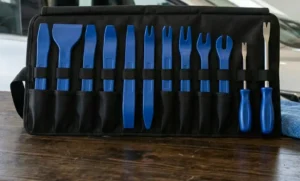
| Trim Removal Tool Kit |
|
Can help tuck filler edges neatly into place without damaging interior trim panels. |


Recommended Setup For Most Beginners
For most people, a seat gap filler pair, handheld vacuum, microfiber cleaning cloth, and detailing brush set are enough to complete this project. A trim tool is optional but can help achieve a cleaner fit around tight interior gaps.
Note: Most drivers can install seat gap fillers in less than 20 minutes with only a few basic cleaning tools.