




This post may contain affiliate links. Please read our disclosure and privacy policy for more information.
Odometer fraud happens when someone makes a used car look like it has fewer miles than it really does. That can make the car seem newer, worth more money, and better cared for. The problem is: Mileage affects wear on the engine, transmission, suspension, and many other parts. Learning the warning signs can help you avoid buying a car with a hidden past.
What the modification or concept is
An odometer is the mileage counter on the dashboard. Odometer fraud (also called “rollback” or “tampering”) is when the displayed mileage is changed to a lower number. On older cars with mechanical odometers, the number wheels could be turned back. On modern cars with digital odometers, the mileage can be changed through the car’s electronic modules using special tools.
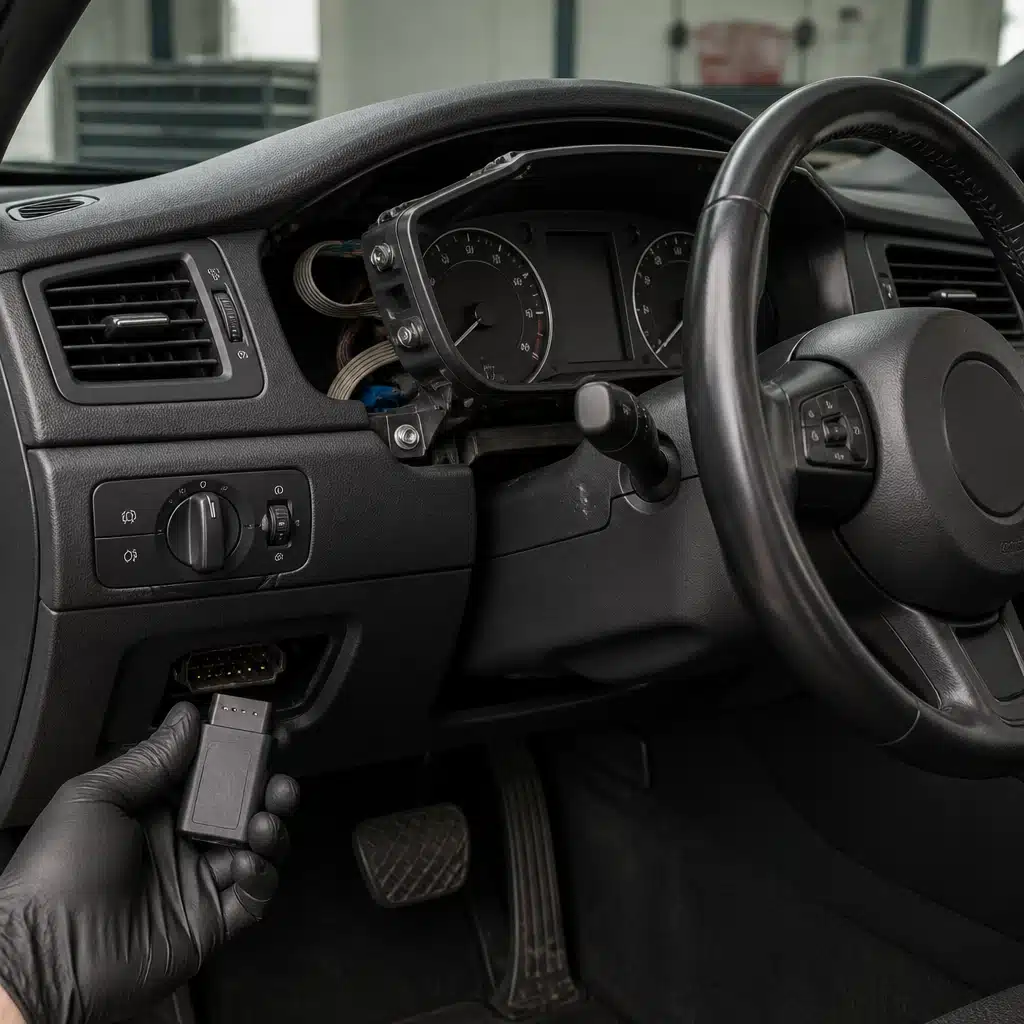
Some vehicles store mileage in more than one place, such as the instrument cluster, engine computer, body module, or key. Fraud can involve replacing the gauge cluster, editing stored data, or swapping parts to make the miles look “right.”
Why people do it
Most of the time, it is done to raise the selling price or make a car easier to sell. Lower miles can make buyers think the car has:
- Less wear and tear
- A longer life left
- Better resale value later
- Less need for repairs soon
Sometimes the seller claims it was a “mistake” after swapping a cluster or after a dead battery. That can happen in rare cases, but you should treat any mileage mismatch as a serious risk until proven otherwise.
Things to know before starting
You do not need special equipment to spot many red flags, but you do need time and a careful mindset. Before you even meet the seller, gather basic info and set expectations.
Know what mileage should look like
A car that is 8 to 10 years old with very low miles is not impossible, but it is less common. Low-mile cars should still have strong proof, like service records that match the mileage over time.
Mileage is only one part of a car’s history
A low-mile vehicle can still be a bad buy if it has accident damage, flood damage, or long gaps in maintenance. If you are doing a full inspection, combine mileage checks with a used car accident check and a look for used car flood damage signs.
Documents matter more than claims
Ads and verbal statements are not proof. What matters is a paper trail: Service invoices, inspection reports, title paperwork, and consistent dates and mileage readings.
Understand where mileage can show up
Mileage can appear in:
- Service stickers in the door jamb or windshield area
- Maintenance records
- Inspection or emissions paperwork
- Some scan tool readings from vehicle modules
- Vehicle history reports, if available
Step-by-step explanation
1. Start with the seller and the paperwork
Ask simple, direct questions:
- How long have you owned it?
- Do you have maintenance records?
- Has the instrument cluster ever been replaced?
- Is the title marked with mileage notes like “not actual” or “exempt”?
Look at the title closely. Many regions have odometer disclosure boxes. If mileage is marked as “not actual,” treat it as unknown miles.
2. Compare the mileage to service records
Check that the mileage increases in a steady pattern over time. Watch for:
- A record from last year that shows higher miles than the car has today
- Big mileage jumps that do not match dates
- Long time periods with no records at all
A missing record is not proof of fraud, but patterns that do not make sense are a strong warning.
3. Check wear points inside the cabin
High miles usually leave clues you can feel and see. Look at:
- Steering wheel: Smooth, shiny, or worn-through spots
- Pedal pads: Worn rubber, rounded edges, or exposed metal
- Driver seat bolsters: Cracks, sagging, or heavy wear on the side
- Buttons and switches: Faded icons or loose feel
Wear should match the mileage. A “30,000-mile” car with heavily worn pedals is suspicious.
4. Look at the instrument cluster itself
Cluster swaps are a common way to hide miles. Inspect the dashboard area:
- Scratched screws or missing trim clips around the cluster
- Gaps, uneven fit, or broken tabs
- Foggy lens that looks newer or older than the rest of the dash
On some cars, a warning light may show if modules do not agree. If the seller says “it always does that,” treat it as a problem to confirm with a professional scan.
5. Check under the hood for mileage clues
Open the hood and look for service labels and pen markings. Oil change shops often write the next service mileage on a sticker. If a sticker says the next oil change is due at 120,000 miles but the odometer shows 72,000, you need an explanation that matches paperwork.
If the car has running issues during a test drive, do not blame mileage alone. Diagnose the symptoms properly, like common check engine light explained issues, because a tampered car may also be poorly maintained.
6. Take a proper test drive and feel for “high-mile” behavior
Mileage and maintenance both affect how a car drives. Pay attention to:
- Loose steering feel or wandering on the road
- Suspension clunks over bumps
- Shakes at speed, which can point to balance, tires, or worn parts like steering wheel shakes
- Harsh shifting or delayed engagement
These signs do not prove rollback, but they can support your concerns if the miles look too low for the condition.
7. Get a pre-purchase inspection and ask for mileage verification
A professional inspection is one of the best steps you can take. Ask the shop to:
- Scan for stored mileage in available modules (if the vehicle supports it)
- Check for cluster replacement signs
- Review maintenance clues, leaks, and overall wear
If the seller refuses an inspection, treat that as a major red flag.
Common mistakes to avoid
- Trusting low miles without proof: The odometer number is only a claim unless it matches records.
- Ignoring mismatched wear: Pedals, seat, and steering wear often tell the real story.
- Rushing the deal: Fraud works best when the buyer feels pressured.
- Only checking the dashboard number: You need documents, inspection info, and condition checks.
- Assuming a clean-looking car is honest: Detailing can hide age and neglect, not mileage history.
Safety and legal considerations
Odometer tampering is illegal in many places, and selling a rolled-back car can lead to serious penalties. For buyers, the main risk is paying too much and missing major maintenance that should have been done at higher miles, like timing belt service or transmission fluid changes.
If you find strong evidence of odometer fraud, do not move forward until you have solid written proof of the real mileage. If the mileage cannot be verified, treat the car as “unknown miles” and consider walking away.
Final practical advice
Focus on consistency. Miles, dates, wear, and records should all match the same story. If even one part does not fit, slow down and verify before you pay anything.
Bring a checklist, take photos of the odometer, the title, and service stickers, and compare them calmly. A good used car will still be there after a careful review. A suspicious deal often disappears when you ask for proof.


