




This post may contain affiliate links. Please read our disclosure and privacy policy for more information.
Buying a used car is mostly paperwork. The car can look clean and drive fine, but missing or wrong documents can bring big problems later. A simple document check helps you avoid stolen cars, hidden loans, fake mileage, and registration headaches.
What the modification or concept is
A used car documents checklist is a set of papers and details you verify before you pay. It covers ownership, registration, lien status, vehicle identity, inspection, and service history. The goal is simple: Match the car, the seller, and the paperwork so nothing conflicts.
Think of it like confirming three things line up: The VIN on the car, the VIN on the documents, and the name on the documents matching the person selling it.
Why people do it
People verify documents to avoid:
- Buying a car with a loan still attached (a lien)
- Buying a stolen car or a car with a “washed” title
- Odometer rollback and mileage disputes
- Problems registering the car in their name
- Surprise issues like salvage, flood, or major accident history
Document checks also help you negotiate in a fair way when service records are missing or when title status reduces the car’s value.
Things to know before starting
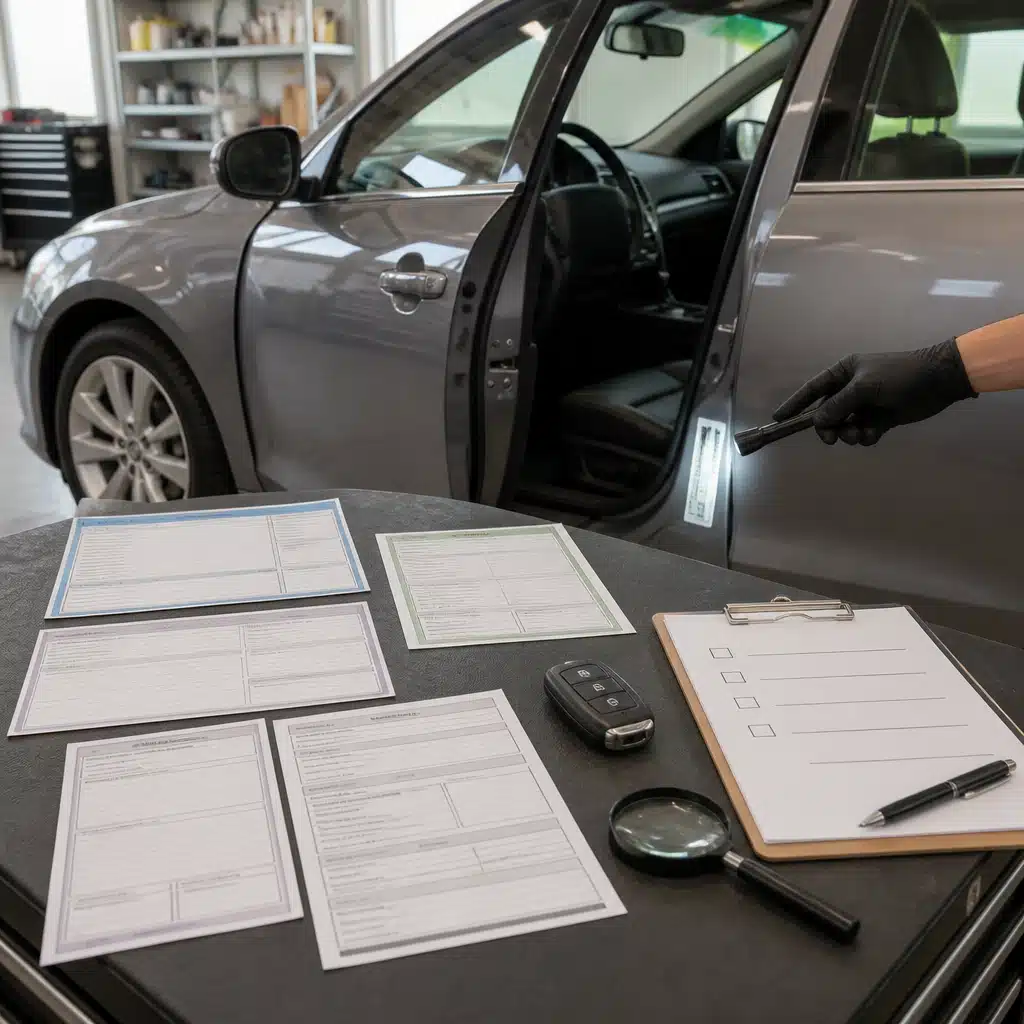
Before you meet the seller, bring a flashlight and your phone. You will use them to read the VIN plate and take clear photos of paperwork (with the seller’s permission).
Also know the common document types:
- Title: Proof of ownership. Some states use an electronic title.
- Registration: Shows the car is currently registered, plus plate and expiry details.
- Bill of sale: A simple record of the transaction and price.
- Lien release: Proof a loan was paid off.
- Maintenance records: Receipts or a service booklet showing what work was done and when.
If the seller says, “I don’t have the title yet,” treat that as a stop sign. In most cases, you should not pay until the title situation is clear and legal in your state.
Step-by-step explanation
1) Confirm the seller is the real owner
Ask to see a government ID and compare the name to the title. The title name should match the seller. If it does not match, the seller may be “title jumping” (selling a car without registering it in their name). That can create tax and registration problems for you.
If the seller is selling for a family member, ask for written permission and verify details carefully. If it feels messy, walk away.
2) Check the VIN in multiple places
Match the VIN on the title to the VIN on the car. Common VIN locations:
- Dashboard VIN plate at the base of the windshield (driver side)
- Driver door jamb label
- Engine bay VIN stamp or sticker (varies by car)
All VINs should match exactly, including letters and numbers. If any plate looks tampered with (scratches, odd rivets, crooked label), stop the deal until you can verify the car’s identity.
3) Review the title details line by line
Look for:
- Title brand: Clean, salvage, rebuilt, flood, lemon, or other branded status
- Odometer section: “Actual,” “Not actual,” or “Exempt” depending on age and state
- Owner count or transfer record: Some titles show this, some do not
- Errors: Cross-outs, white-out, missing signatures, or missing dates
If you want a deeper look at mileage scams, use Spot used car odometer fraud as a reference point for what to watch for in documents and patterns.
4) Verify there is no lien (or get a proper lien release)
On many titles, a lienholder is printed on the front. If a bank or finance company is listed, the car may still have a loan attached.
What you need in that case:
- A signed lien release document from the lender, or
- A title that shows the lien is released (varies by state)
If the seller says the loan is paid but cannot show proof, do not hand over money. A lien can follow the car, not the owner, and that can become your problem.
5) Compare mileage across documents and records
Check the odometer reading on the dash and compare it to:
- The title’s odometer statement (if present)
- Inspection reports or emissions paperwork
- Service receipts (oil changes, tires, brake work)
Mileage should rise in a normal pattern over time. Big drops or large gaps need an explanation you can verify.
6) Ask for service and repair records
Maintenance records are not required, but they help you understand how the car was treated. Useful items include:
- Oil change receipts with dates and mileage
- Timing belt or chain service notes (if the car uses a belt)
- Transmission fluid service records
- Brake service paperwork
If records are missing, focus more on inspection and warning signs. A quick scan of Used car warning signs can help you spot patterns that match poor maintenance.
7) Look for accident, flood, and salvage clues in paperwork
Paperwork can hint at major past damage even before a full history report.
- Title brands like “salvage” or “rebuilt”
- State inspection forms tied to rebuilt vehicles (some states require them)
- Multiple recent ownership transfers with little time in between
If you want a clear physical inspection route, keep check used car accident history in mind for what to verify on the vehicle itself, not just the paperwork.
Flood cars are also a special risk because water damage can cause electrical problems months later. If anything looks suspicious, compare what you see to signs of a flood-damaged car.
8) Confirm registration, plates, and inspection status
Ask to see the current registration card. Check:
- VIN matches the title and the car
- Plate number matches the registration (if plates stay with the car in your state)
- Expiration date
- Owner name and address (may vary by state privacy rules)
If your area requires emissions or safety inspections, ask for the most recent proof. A car that cannot pass inspection can become an expensive surprise right after purchase.
9) Use a clean bill of sale and complete it correctly
A bill of sale protects both sides. It should include:
- Buyer and seller full names
- Date of sale
- VIN, year, make, model
- Sale price
- Odometer reading at sale time (if required)
- Signatures
Write clearly. Avoid blanks. If a line does not apply, write “N/A.” Keep a copy.
10) Confirm the handoff items you should receive
Before you pay, confirm you will receive:
- Signed title (and any required extra title forms)
- Lien release, if needed
- Bill of sale
- All keys and key fobs
- Any security codes or wheel lock key if the car has one
- Service records and manuals (if available)
Common mistakes to avoid
- Paying a deposit before seeing the title and seller ID
- Not matching the VIN on the car to the VIN on the title
- Accepting “title in the mail” without a clear, legal path to transfer
- Ignoring a lienholder listed on the title
- Trusting verbal claims about mileage without document support
- Signing papers with blanks or unclear numbers
Safety and legal considerations
Meet in a safe public place, ideally during daylight. Some police stations offer safe exchange areas. Bring another adult if possible.
For legal safety, only buy a used car when the ownership chain is clear. Title jumping, altered VIN plates, and fake lien releases can expose you to loss of the car and possible legal trouble. If anything feels off, pause the deal and verify with your local DMV rules for your state.
Final practical advice
Do the document check before any long test drive or inspection booking. If the paperwork fails, the car is not worth your time. If the paperwork looks clean, take photos for your records and then move on to a mechanical inspection.
One simple habit helps the most: Compare the VIN, the seller name, and the lien status first. If those three items match and look clean, the rest of the process becomes much easier.


