


This post may contain affiliate links. Please read our disclosure and privacy policy for more information.
Upgrading your car with a body kit is one of the fastest ways to change how your ride looks. Whether you want a clean street style, an aggressive widebody shape, or something made for performance, the right kit transforms your car instantly. Many beginners jump into body kits without knowing how materials, fitment, and installation work. This guide will help you choose the best option for your car while avoiding common mistakes.
Adding a body kit also connects with other mods in your build plan. For example, new bumpers often look better with lowered suspension.
Now let’s go step by step and find out which body kit makes the most sense for your style, budget, and car model.
What Is a Body Kit?
A body kit is a set of exterior parts that changes the design of a car. It usually includes:
- Front bumper
- Rear bumper
- Side skirts
- Spoilers or lips
- Diffusers
- Sometimes fender flares
Some kits are made for looks. Others affect aerodynamics and performance. Choosing the right one depends on how you use your car.
Types of Body Kits
1. Lip Kits
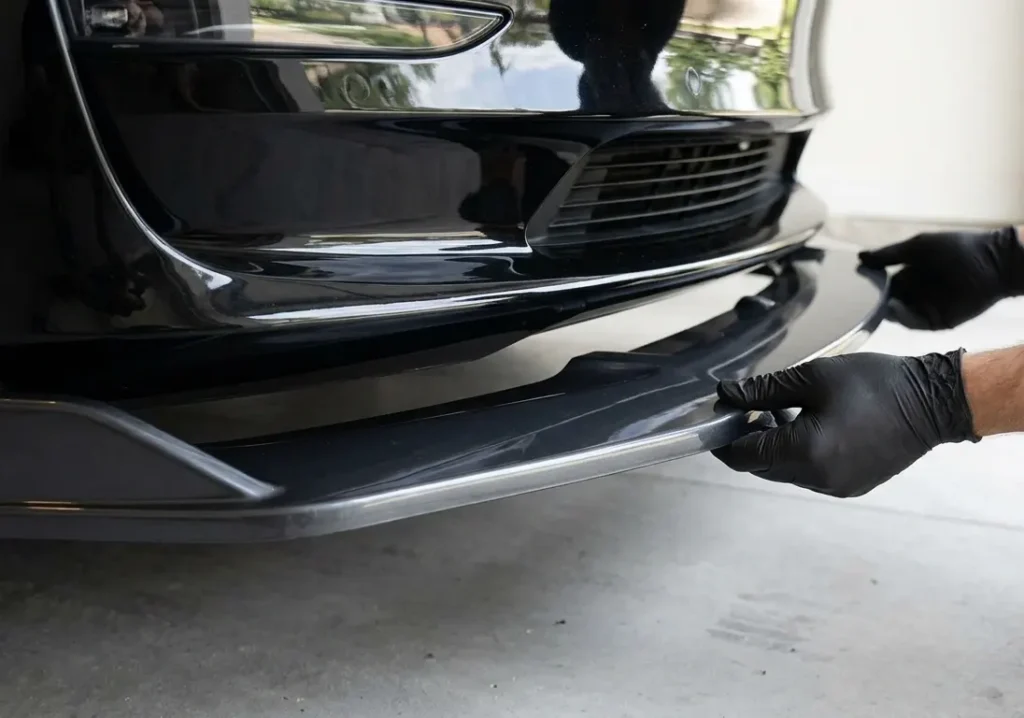
Lip kits are the simplest and most beginner-friendly. Many first-time modders start with a universal lip such as EZ Lip Front Splitter because it adds a sportier look without requiring bumper replacement or professional installation.
Why choose lip kits?
- Affordable
- Easy to install
- No major change to the car shape
- Great for daily drivers
2. Full Body Kits
A full kit replaces major panels like bumpers and side skirts. This changes the entire look of your car.
Good for:
- Show builds
- Drift or track look
- Standout street styling
Full kits need proper fitment and sometimes small adjustments during installation. If you want a big visual change, this is the best choice.

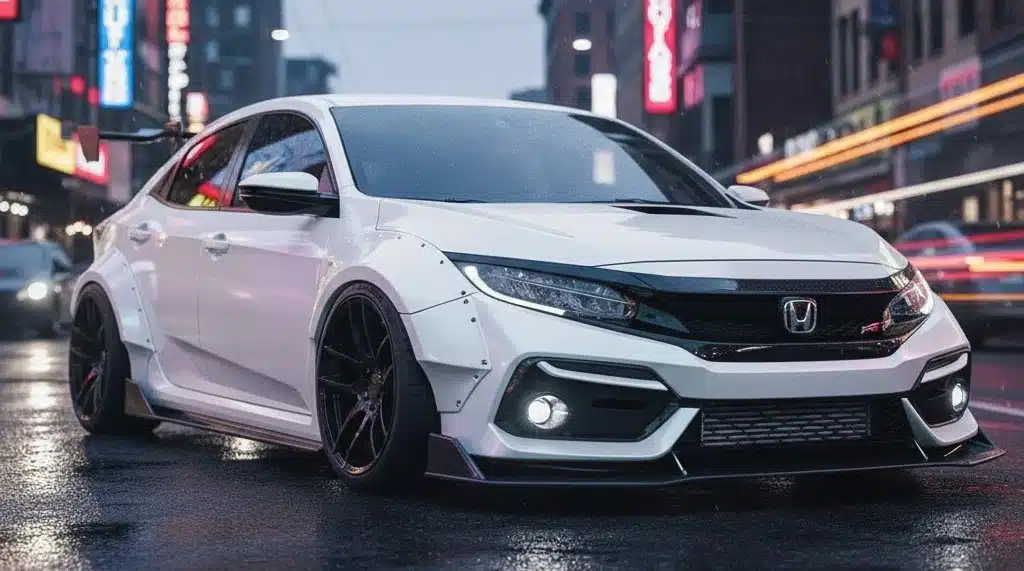
3. Widebody Kits
Widebody kits add extra width to your car. These include overfenders, new bumpers, and large side skirts.
Why do people choose widebody kits?
- Aggressive looks
- Fit wider wheels
- Great for track setups
But a widebody kit needs cutting, drilling, and professional work. It also needs perfect wheel fitment, so expect extra costs.

4. Aero Kits
These kits focus on airflow and stability. They can help with downforce and reduce drag.
They usually include:
- Splitters
- Diffusers
- Vents
- Wings
Aero kits are common in track cars. If you are building a beginner track setup, this connects well with that upgrade path.
Body Kit Materials: Which One Is Best?
1. ABS Plastic
ABS is the most common material for body kits. It is flexible, light, and easy to install.
Pros:
- Good durability
- Affordable
- Strong fitment
2. Polyurethane
This material is flexible and harder to crack compared to ABS.
Pros:
- Very durable
- Resists heat and bumps
Cons:
- Slightly heavier
- More expensive
People choose polyurethane when they want a clean fit with less risk of damage.
3. Fiberglass
Fiberglass is great for custom shapes and aggressive designs.
Pros:
- Easy to repair
- Low cost
- Allows creative shapes
Cons:
- Can crack on impact
- Needs professional installation
If you are building a show car, fiberglass kits can offer dramatic results.
4. Carbon Fiber
Carbon fiber is the premium material for body kits. It combines beauty and performance.
Pros:
- Strong and light
- Perfect for performance cars
- High visual appeal
Cons:
- Very expensive
- Scratches easily
- Not beginner friendly
Carbon fiber fits perfectly in luxury builds or high-performance projects.
How to Choose the Right Body Kit for Your Car
1. Know Your Car’s Shape and Line Style
Some cars look better with sharp kits while others match smooth flowing designs. Honda Civics and Miatas often suit clean lines. Mustangs and Supras look great with aggressive bumpers.
2. Decide Your Build Type
Ask yourself:
Do you want a street build, show build, or track build?
- Street build: Lip kits and mild body kits
- Show build: Full kits, fiberglass, carbon fiber
- Track build: Aero kits, lightweight materials
- Aggressive build: Widebody setups
Choosing your build style makes the decision easier.
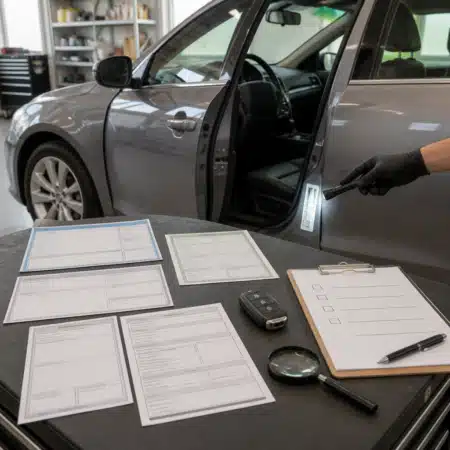
3. Check Fitment and Quality
Fitment is everything in body kits. A cheap kit with a poor fit will cause gaps, rattles, and a bad final look.
Look for kits with:
- Pre-drilled holes
- High customer reviews
- Good reputation in the modding community
4. Plan the Install
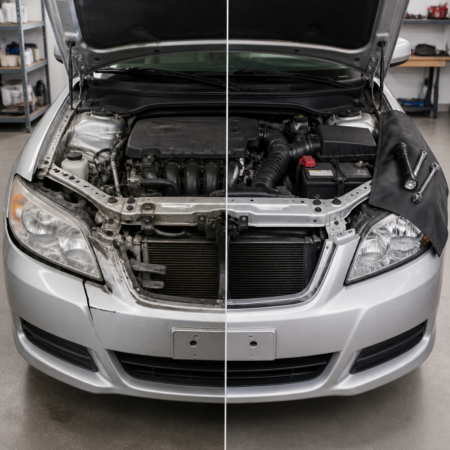
Before starting the installation, many body kits require removing factory trim pieces, bumper sections, and plastic fasteners. Using a quality trim removal tool kit can make the job easier and help reduce the risk of scratched panels or damaged clips during removal. Body kits need the right installation method:
- Lip kits: beginners can install these
- Full kits: Body Shop recommended
- Widebody: must be done by a professional
- Carbon fiber: paint protection recommended
Also, check if your area has rules about bumper sizes and width. If you want help with legal modding, we covered that topic separately.
Best Body Kit Styles Right Now
Clean Street Style
This look keeps your car smooth with lip kits and mild bumpers. Works well with lowered cars and nice wheels.
Aggressive Track Style
Includes splitters, diffusers, canards, and wings. This is built for grip and airflow.
Show Car Style
Full fiberglass kits, big diffusers, custom paint, and creative designs. Very popular at events like SEMA.
Widebody Style
Thick overfenders, wide wheels, and a bold stance. Perfect for people who want a dramatic transformation.

Common Mistakes to Avoid
Many first-time installers remove factory bumpers only to discover that several plastic retainers break during the process. Keeping a small assortment of replacement retainer clips on hand can save time and help avoid loose panels after the installation is finished.
- Buying the cheapest kit you find
- Skipping professional installation
- Ignoring paint prep
- Choosing a style that does not match the car
- Not planning wheel fitment for widebody builds
Final Thoughts
A body kit is one of the most powerful upgrades you can do to change the look of your ride. Pick a material that suits your budget, a style that matches your car, and an installer who can give you a clean finish. Whether you want a simple lip or a full widebody, the right choice will make your car stand out everywhere you go.