


This post may contain affiliate links. Please read our disclosure and privacy policy for more information.
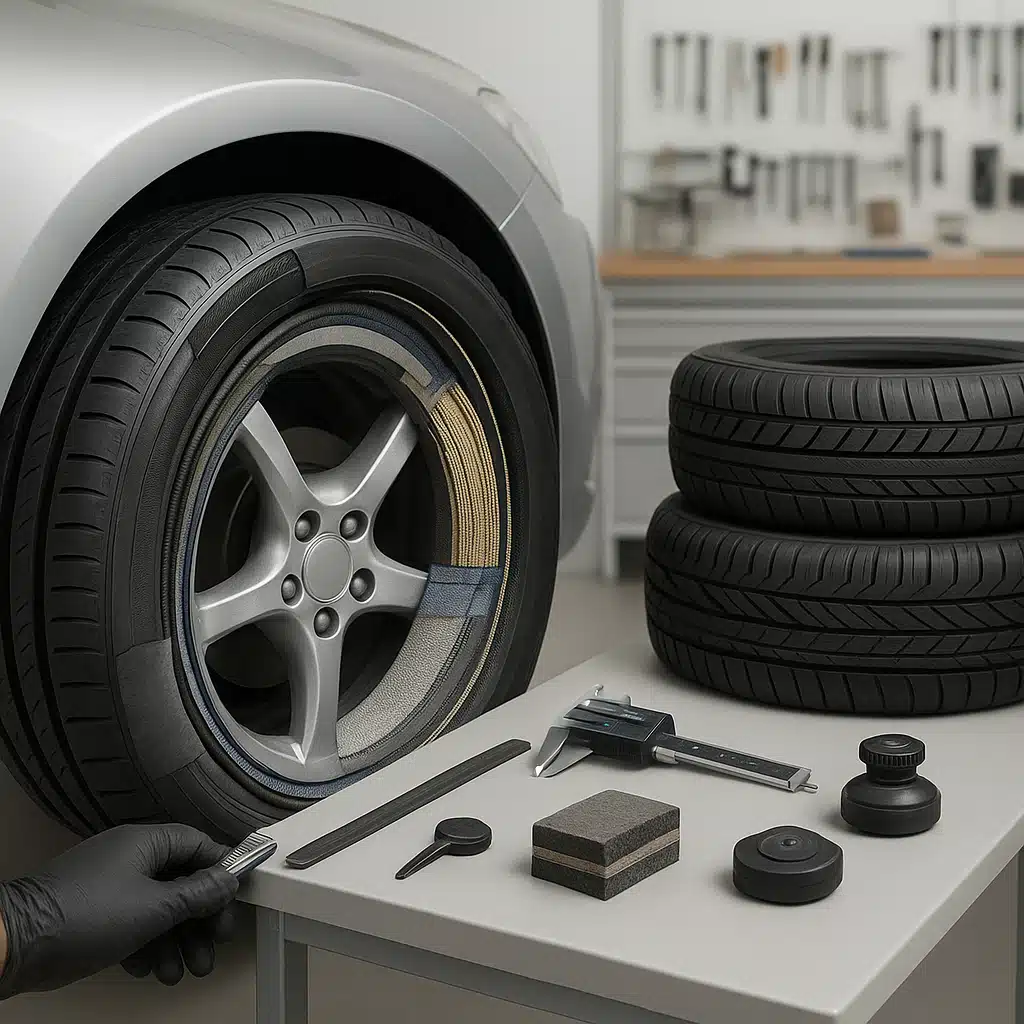
Tires can feel shockingly expensive because they are not just “rubber rings.” A modern tire is a safety part, a comfort part, and a performance part all at the same time. It has to carry the full weight of the car, hold air under pressure, handle heat, grip in rain, and stay stable at highway speed. The more a tire can do, the more it usually costs.
What the concept is
Tire cost is the total of the tire’s materials, design, testing, and manufacturing, plus shipping, storage, and the way tires are sold. Two tires that look similar from far away can be built very differently inside.
A tire is made from a mix of:
- Natural and synthetic rubber
- Steel belts and bead wires
- Fabric plies (like polyester, nylon, or other cords)
- Chemicals that control grip, wear, and heat
On top of that, the tread pattern, sidewall strength, internal belt layout, and rubber compounds change based on the job the tire must do. That is why tire prices vary so much, even in the same size.
Why people do it
Most people buy tires only when they have to. But there are common reasons someone pays more for a tire:
- Better grip: Especially in rain or cold, where cheap tires can slip sooner.
- Longer life: Some tires are built to wear slower, which can lower cost over time.
- Less noise and better comfort: Some designs reduce road noise and harshness.
- Higher speed and load ability: Bigger, heavier, or faster cars need tires rated for that.
- Specific use: Winter, off-road, track, towing, or long highway miles.
Even if you are not modifying your car, tires are one of the most important “upgrades” because they change braking, turning, and ride quality right away.
Things to know before starting
Before shopping, it helps to know what actually makes tires expensive. Here are the main cost drivers.
1) Materials and complex construction
Good tires use more advanced compounds and stronger internal parts. That can mean more silica for wet traction, stronger steel belts, or extra reinforcement in the sidewall. These parts cost more, and they also add manufacturing steps.
2) Testing, development, and certifications
New tread designs and rubber compounds take years of testing. Tires are tested for:
- Wet and dry grip
- Heat resistance at speed
- Tread wear
- High-load durability
- Noise and rolling resistance
That research and testing cost is built into the price. Tires also need to meet safety standards for the markets where they are sold.
3) Size and special ratings
Larger tires usually cost more because they use more material and often need stronger construction. Also, many modern vehicles need tires with specific ratings:
- Load index: How much weight each tire can carry
- Speed rating: Heat and stability at higher speeds
- Extra load (XL) or reinforced: Stronger casing for heavier cars
- Run-flat: Can drive a short distance with no air, but has a stiffer build
These features add cost. Run-flats in particular are often more expensive and can ride harsher.
4) Environmental rules and production limits
Rubber and chemical supply can change with weather, global demand, and factory output. Tires also have storage and shipping costs because they are bulky. If a tire size is less common, it may be made in smaller batches, which often raises the price.
5) Modern cars are heavier and more powerful
Many newer cars weigh more due to safety structure, AWD systems, and batteries in hybrids and EVs. More weight and torque can wear tires faster, and the tire itself needs to be stronger. If you drive AWD, tire replacement can be more strict because mismatched tread depth can stress the drivetrain. If you want a simple overview, see AWD or FWD explained.
6) Wheel fitment choices can raise tire cost
If your car has larger wheels, low-profile tires, or uncommon sizes, you have fewer budget options. Fitment changes like different wheel width, offset, or spacers can push you into sizes that cost more. If you are unsure about wheel measurements, Wheel offset explained can help you understand why certain setups limit tire choices.
Step-by-step explanation
Use these steps to understand pricing and pick a tire that makes sense for your car and driving.
1) Start with the exact factory tire size and ratings
Look at the driver door jamb sticker or your owner’s manual. Write down:
- Tire size (example: 225/45R17)
- Load index and speed rating
- Recommended tire pressure
Shopping with the correct rating matters because a lower load or speed rating can be unsafe even if the tire “fits.”
2) Decide what you actually need the tire to do
Pick the main priority based on your driving:
- Daily commuting with long tread life
- Strong wet grip for rainy areas
- Winter driving with snow and ice
- Sporty response for back roads
- Highway comfort and low noise
One tire cannot be best at everything. For example, very grippy tires often wear faster. Quiet tires may cost more because the tread design is more complex.
3) Learn the basic tire types and why the prices differ
- All-season: Balanced and common. Prices vary a lot based on wet grip and tread life.
- Summer: Strong dry and wet grip in warm weather. Often costs more and wears faster.
- Winter: Built for cold rubber flexibility and biting edges. Often costs more due to compounds and sipes.
- All-terrain and mud-terrain: Heavier, stronger, and louder. Often costs more due to strong casings and deep tread.
4) Compare tires using practical specs, not just the price
Look at:
- Treadwear warranty: A rough idea of expected life for normal driving
- UTQG ratings: Helpful as a general reference, but not perfect across brands
- Weight: Heavier tires can reduce fuel economy and feel slower to react
- Noise notes: Some patterns are known to get louder as they wear
If you want help choosing the right type without overthinking it, how to choose car tires gives a simple path.
5) Budget for the full tire job, not just the tire
Tires are only part of the total cost. You may also pay for:
- Mounting and balancing
- Valve stems or TPMS service
- Alignment (often needed if old tires wore unevenly)
- Disposal fees
If your old tires wore on one edge, do not ignore it. A new set can wear fast if the alignment or suspension has a problem. For a basic overview of how the car’s ride and alignment-related parts work together, see Car suspension explained.
Common mistakes to avoid
- Buying the cheapest tire only: The lowest price can come with longer stopping distance, poor wet grip, and faster wear.
- Choosing the wrong load or speed rating: This can cause overheating and failure, especially on the highway.
- Mixing very different tires on the same axle: Handling and braking can become unpredictable.
- Ignoring tire age: Tires can age even if tread looks fine. Check the DOT date code and avoid very old stock.
- Skipping alignment after uneven wear: New tires will not fix a pull, shake, or edge wear problem.
- Oversizing wheels without a plan: Bigger wheels usually mean lower-profile tires, fewer choices, and higher prices.
Safety and legal considerations
Tires are a safety item, and there are basic rules that matter everywhere:
- Minimum tread depth: Worn tread increases hydroplaning risk and is illegal in many places.
- No cords showing, no sidewall bubbles: These need immediate replacement.
- Correct inflation: Underinflation creates heat and can lead to a blowout. Overinflation reduces grip and can wear the center fast.
- Matching tires on AWD: Some AWD systems need similar tread depth on all four tires to prevent drivetrain stress.
Also consider your insurance and inspection rules if you change tire size a lot, especially if the tires rub the body or stick out past the fenders.
Final practical advice
To control tire costs without sacrificing safety, focus on fit, ratings, and real needs. Stay close to the factory size unless you understand the trade-offs. Buy the right tire type for your climate, not just the season you are in right now. Keep tire pressure correct, rotate on schedule, and fix alignment issues early. That is how you get the most miles for the money and avoid paying for another set too soon.


