




This post may contain affiliate links. Please read our disclosure and privacy policy for more information.
Car mods can make a car look better, sound different, or drive in a new way. But beginner mistakes can waste money, cause problems, or even make the car unsafe. A smart start is about picking the right parts, installing them correctly, and keeping the car reliable for daily use.
What the modification or concept is
Car modding means changing a car from factory form. Mods can be cosmetic (wheels, tint, body parts), functional (brakes, suspension), performance (intake, exhaust, tune), or comfort and tech (audio, backup camera, phone integration).
Beginner mistakes often happen when parts do not match the car, the install is rushed, or the owner overlooks how one change affects other systems. A mod is rarely “just one part.” A better tire can change handling. A louder exhaust can break noise rules. Lowering springs can change alignment and tire wear.
Why people do it
People mod cars for simple reasons:
- Personal style (stance, color theme, cleaner look)
- Better driving feel (braking, cornering, ride control)
- More performance (quicker acceleration, stronger response)
- Daily comfort (better lights, modern infotainment, useful tech)
- Learning and hobby (hands-on skills and problem solving)
Problems start when the goal is not clear. A daily driver needs reliability and comfort. A weekend car can be louder or stiffer. If you want help thinking through that difference, daily driver vs project mods can help you pick the right direction.
Things to know before starting
Know your goal and your limits
Pick one main goal first: looks, handling, sound, comfort, or speed. Trying to do everything at once usually leads to mismatched parts and repeat work. Also be honest about your skill level. Some installs are simple. Others need special tools and experience.
Start with maintenance first
Mods do not fix worn parts. Old tires, weak brakes, leaking shocks, or a bad battery can ruin the results of any upgrade. Handle basics first: fluids, brakes, tires, suspension wear, engine health, and any warning lights.
Research fitment and compatibility
Always confirm part numbers, trim level, engine type, and model year. Small differences matter. A wheel that fits one trim may rub on another. An exhaust for one engine may not bolt up to a different engine.
Think in systems, not single parts
- Wheels and tires: size changes can affect speedometer, rubbing, and handling.
- Suspension: lowering changes alignment and can shorten shock life.
- Power mods: more power can need better cooling, better tires, and sometimes better brakes.
- Electrical: added devices need safe power, fuses, and clean wiring.
A simple overview of smart starting points is covered in beginner car modification tips.
Step-by-step explanation
Use this flow to reduce mistakes and avoid repeat work.
1) Pick one clear first mod category
Choose one: safety/handling, comfort/tech, or style. For many beginners, tires and brakes give a big improvement with low risk. Comfort mods like phone integration can also be a safe first step.
2) Check your car’s baseline condition
- Scan for trouble codes if a warning light is on.
- Check tire age, tread, and pressure.
- Inspect brakes for pad thickness and rotor condition.
- Look for leaks and worn bushings.
- Confirm the battery and charging system are healthy for electronics.
3) Choose parts that match the goal and the car
Read the product details and confirm fitment. Avoid random “universal” parts for critical areas like brakes and suspension. For wheels and tires, confirm:
- Bolt pattern
- Center bore (or proper hub rings)
- Offset and width
- Tire size that will not rub at full lock and full suspension travel
4) Plan the install and tools
Before you touch the car, confirm you have the right tools. Common needs include a torque wrench, jack stands, trim tools, and the right sockets. For electrical mods, you need proper crimpers, fuses, and safe routing.
For beginner-friendly installs, simple car upgrades you can do can help you pick realistic projects.
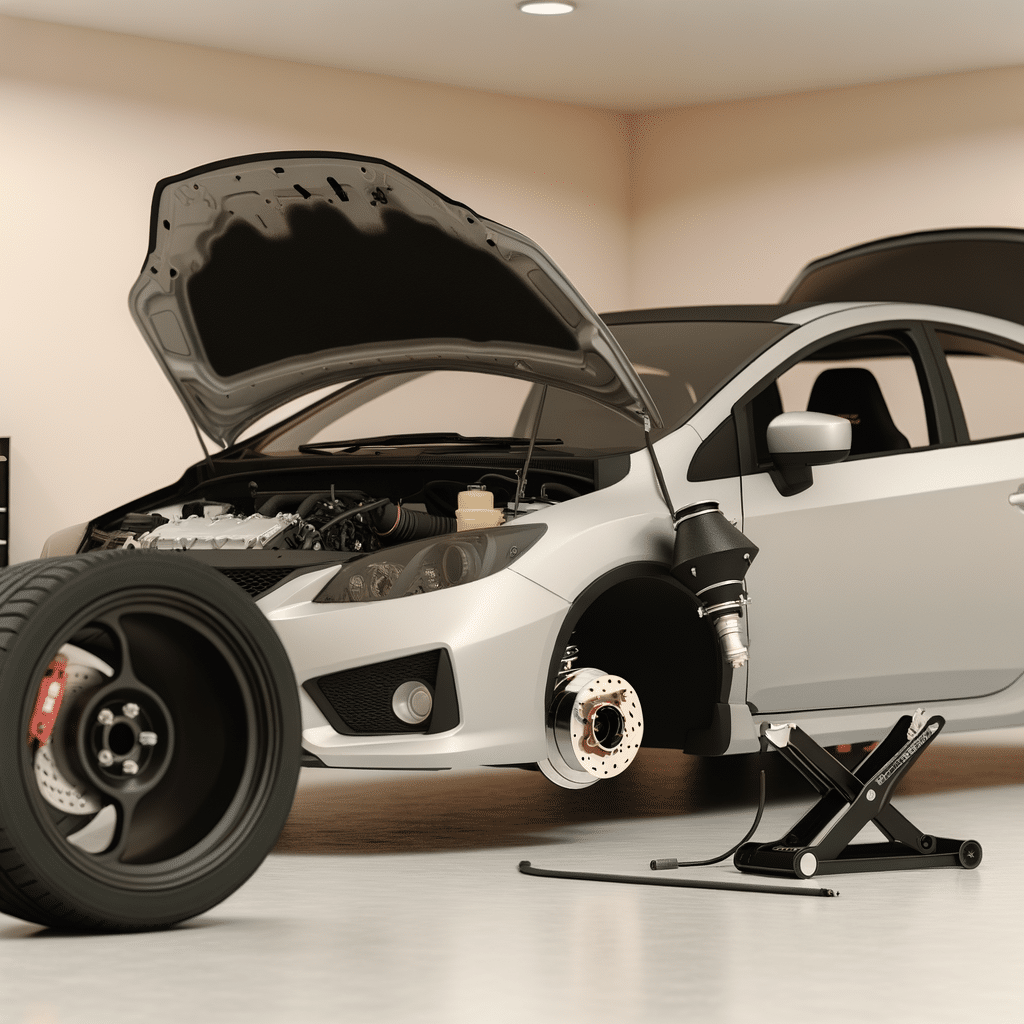
5) Install carefully and use correct torque
- Work on a flat surface.
- Support the car with jack stands, not only a jack.
- Follow the install steps in order.
- Torque bolts to spec, especially wheels, suspension, and brake parts.
- Route wires away from heat, sharp edges, and moving parts.
6) Test, then recheck
After the install:
- Do a short, slow test drive first.
- Listen for rubbing, clunks, or vibration.
- Recheck torque on wheel lugs after a short drive.
- For suspension or steering changes, schedule an alignment.
Common mistakes to avoid
Skipping the “boring” parts first
Upgrading a car with worn tires, weak brakes, or tired suspension makes the car feel worse. Fix wear items first so the mod can actually work.
Buying parts for looks only without thinking about function
Extreme wheel sizes, very low suspension, or loud exhaust setups can hurt daily driving. Rubbing tires, scraping, and headaches from interior drone are common results.
Wrong wheel and tire fitment
Common beginner errors include buying wheels with the wrong offset, tires that are too tall or too wide, and ignoring load rating. Bad fitment can cause rubbing, poor handling, or wheel bearing stress.
Lowering without supporting mods
Lowering springs on worn shocks can cause bouncing and poor control. Too-low setups can reduce suspension travel and cause bottoming out. After lowering, an alignment is not optional.
Modding for power before traction and braking
Extra power is fun, but it can make the car harder to control. Good tires and healthy brakes should come before most power upgrades. On many cars, a small power gain is not worth the reliability risk if the basics are ignored.
Electrical mods with messy wiring
Loose wires, poor grounds, and wrong fuse choices can cause dead batteries or shorts. Always use a fuse close to the power source and route wiring safely. If you are adding a camera, a beginner-friendly dash cam setup shows clean power and routing habits that apply to many small electrical mods.
Overtightening bolts or guessing torque
Overtightened bolts can strip threads or crack parts. Undertightened bolts can loosen while driving. A torque wrench matters most on wheels, brakes, and suspension.
Ignoring alignment and tire wear signs
If the steering wheel is off-center, the car pulls, or the tires wear unevenly, stop and fix it. Driving like that can ruin tires fast and can feel unstable in rain.
Doing too many changes at once
When everything changes at the same time, it is hard to find the cause of a new noise or problem. Change one major thing at a time, then test and confirm it works.
Safety and legal considerations
Some mods can break local rules or fail inspections. Common problem areas include:
- Window tint: front tint limits vary by area.
- Exhaust noise: loud systems and removed mufflers can be illegal.
- Emissions equipment: removing emissions parts can be illegal and may trigger a check engine light.
- Headlights: wrong bulbs in housings can glare and may be unsafe.
- Ride height: very low cars can be unsafe and may not meet minimum height rules.
Safety always comes first. If a mod affects steering, braking, or suspension, double-check all fasteners and get a professional inspection if you are not fully confident.
Final practical advice
Start small and build good habits. Keep a simple list of what is already changed and what parts were used. Save receipts and part numbers for future maintenance.
Pick mods that match how you drive and where you drive. A comfortable daily car needs different choices than a weekend project. If you want a simple structure for your next upgrades, Car modding order helps you avoid doing the same work twice.
When in doubt, focus on tires, brakes, basic suspension health, and clean installs. A car that drives well and stays reliable is the best base for every future mod.


