




This post may contain affiliate links. Please read our disclosure and privacy policy for more information.
The Honda Civic is one of the easiest cars to modify. Parts are common, information is easy to find, and most trims have strong aftermarket support. But the Civic also has many generations and engine options, so the smart path depends on what you drive and what you want from it.
This beginner guide breaks down the most common Civic mods, why people do them, what to check first, and a simple step-by-step order that helps you avoid expensive mistakes.
What the modification or concept is
“Honda Civic mods” simply means changing parts from stock to improve one or more of these areas:
- Handling: Suspension, tires, wheels, alignment, chassis parts
- Braking: Pads, fluid, rotors, lines, cooling
- Power: Intake, exhaust, tuning, intercooler (turbo), engine parts
- Reliability: Cooling, fluids, mounts, maintenance upgrades
- Look and comfort: Exterior, lighting, interior, audio
Some mods add performance. Others only change sound or looks. Many “bolt-on” parts still affect drivability, fitment, and long-term wear, especially if you change ride height or wheel size.
If you are new, it helps to learn the language first, like what “offset,” “coilovers,” and “cat-back” mean. A quick refresher is car modification terminology basics.
Why people do it
Civic owners usually mod for one clear goal. Knowing yours prevents random purchases.
- Better daily driving: Tires, brakes, and mild suspension changes can make the car feel more controlled without making it harsh.
- Sportier handling: Lowering, stiffer dampers, sway bars, and proper alignment improve cornering.
- More power: Turbo Civics can gain power with tuning and supporting parts. Non-turbo Civics often gain less from simple bolt-ons.
- Sound: Exhaust changes can add a deeper tone, but can also add drone on the highway.
- Style: Wheel fitment, ride height, and clean OEM+ touches change the whole look.
It also helps to decide early if you want performance-focused parts or style-focused parts. A simple way to split it is Performance vs style mods.
Things to know before starting
Know your Civic details
Write down your generation, trim, engine, and transmission. A 2008 Civic Si, a 2016 Civic 1.5T, and a 2022 Civic 2.0 all respond differently to the same mod. Parts may not fit across trims, even within the same year.
Start with baseline maintenance
Mods do not fix weak brakes, old tires, worn suspension, or engine issues. Before changing parts, check:
- Tire tread depth and tire age
- Brake pad life and brake fluid condition
- Oil leaks, coolant level, and any check engine light
- Suspension clunks, torn bushings, and uneven tire wear
Set a clear goal and order
Beginners do best with a basic “feel and control” order: Tires and brakes first, then suspension, then power. If you do power first, you often create traction problems and extra wear.
Fitment matters
Wheel width, diameter, offset, and tire size all work together. Bad fitment can cause rubbing, vibration, or poor steering feel. If you are new to this topic, Beginner guide to fitment explains the basics in plain terms.
Tuning is not optional for many power mods
On many turbo Civics, changing airflow or boost control without proper calibration can cause poor fueling, knock, or limp mode. On naturally aspirated Civics, bolt-ons without tuning can add noise with little real gain.
Step-by-step explanation (use numbered steps where logical)
1) Decide your “type” of build
Pick one primary use:
- Daily driver with better feel
- Street handling focus
- Track days (rare for beginners, but possible)
- Style and stance focus
This choice affects ride height, tire choice, brake choice, and how loud the car should be.
2) Upgrade tires first
Tires are the only part that touches the road. A better tire improves acceleration, braking, and cornering at the same time. Keep the overall tire diameter close to stock to protect speedometer accuracy and gearing feel.
If you need help picking a tire type for your driving, use how to choose car tires.
3) Improve braking in a simple, safe way
For a street Civic, the best starting combo is usually:
- Quality street brake pads
- Fresh brake fluid (correct spec for your car)
- Rotors only if yours are worn, cracked, or warped
Avoid jumping to oversized brakes without a reason. Big brake kits can cost more, change wheel clearance needs, and may not improve real stopping distance on the street if tires are the limiting factor.
4) Choose a mild suspension path
Most beginners want a lower stance and better handling, but not a rough ride. You have two common directions:
- Lowering springs on good shocks: Simpler setup, limited adjustment
- Coilovers: Adjustable height and sometimes damping, more setup work
Coilovers can ride well if set up correctly, but bad settings can make the car bouncy and reduce grip. If you want a clearer view of what coilovers change, Coilovers explained for beginners is a helpful starting point.
After any suspension change, get a proper alignment. It protects tires and keeps the steering stable.
5) Pick wheels only after suspension plans are clear
Wheel choice is easier once you know your ride height and camber range. When you change ride height, rubbing points change. For most daily Civics, a modest wheel size with a practical tire sidewall rides better and protects the wheel from potholes.
If you want a more aggressive look, be careful with spacers. They can be fine when used correctly, but bad spacer choices can cause vibration and extra bearing load. If you are thinking about spacers, use are wheel spacers safe as a reference for basics.
6) Add power the right way (if you still want it)
Power mods depend heavily on whether your Civic is turbocharged.
- Turbo Civic (like many 1.5T models): A tune with the right supporting parts can add noticeable torque. Supporting parts may include better intercooling, intake piping, or exhaust changes depending on the goal.
- Non-turbo Civic: Intake and exhaust changes often add sound more than speed. Real gains usually require more involved work.
Before chasing power, confirm your cooling system is healthy, your oil changes are on schedule, and you are using the correct fuel for your setup. If you are not ready for tuning and troubleshooting, stay with handling and braking mods first.
7) Add interior and simple cosmetic mods last
Small comfort and appearance changes are best at the end because they do not affect reliability. Common beginner-friendly choices include better lighting, cleaner trim choices, and small storage fixes. They help you enjoy the car without creating new problems.
Common mistakes to avoid
- Buying parts without checking fitment: Wrong offset, wrong brake clearance, rubbing tires, or parts that do not match your trim.
- Lowering too much: Extreme drops can cause poor suspension travel, bad alignment range, axle issues on some models, and constant scraping.
- Modding power before grip: Extra torque on weak tires often means wheelspin and worse real-world speed.
- Skipping alignment: After springs, coilovers, or camber parts, skipping alignment can ruin tires quickly.
- Mixing random suspension parts: Stiff springs with worn shocks can bounce. Cheap parts can squeak, leak, or lose adjustment.
- Chasing loud exhaust setups: Drone and cabin noise can make daily driving tiring, and some systems trigger legal issues.
- Ignoring warning lights: A check engine light should be diagnosed before and after mods, not “accepted.”
Safety and legal considerations
Some Civic mods can cause safety or legal problems if done carelessly.
- Emissions rules: Removing or changing emissions equipment can be illegal in many areas and can fail inspections.
- Noise laws: Exhaust volume limits vary. What sounds fine to you may still violate local rules.
- Headlights and tint: Incorrect bulb types in housings can glare and reduce visibility. Tint limits are also commonly enforced.
- Wheel and tire clearance: Tires rubbing on fenders or suspension parts is a safety issue. It can cut a tire.
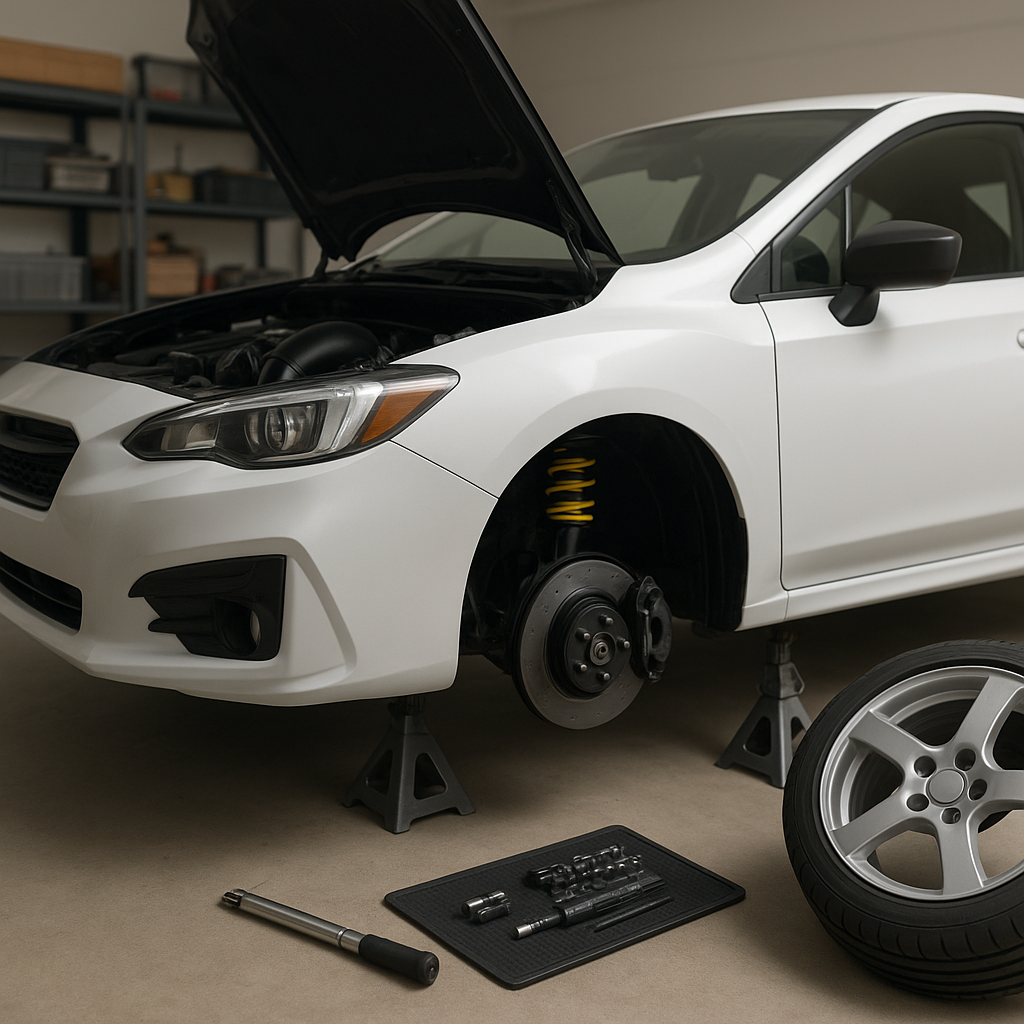
- Jack stands and torque: If you work at home, use proper jack points, quality stands, and correct lug torque. Re-check lug torque after a short drive.
Final practical advice
Keep your Civic mods simple at first: Tires, brakes, and a mild suspension setup give the biggest real change in how the car drives. Write down your current part numbers and measurements, and change one main thing at a time so you can feel the difference and spot problems fast.
If you want your Civic to stay reliable, avoid extreme ride height, avoid loud choices that make you hate highway driving, and do not mix power parts without a clear tuning plan. Small, well-matched upgrades almost always work better than a pile of random parts.


