




This post may contain affiliate links. Please read our disclosure and privacy policy for more information.
Car suspension is the part of your car that manages bumps, supports the vehicle’s weight, and keeps the tires in contact with the road. When it works well, the car feels stable, turns predictably, and stays comfortable. When it is worn or set up wrong, the car can feel bouncy, harsh, or loose, even if the engine and tires are fine.
What the concept is
The suspension is a group of parts between the car body and the wheels. It controls how the wheels move up and down and how the body moves during braking, turning, and acceleration.
Most suspensions include:
- Springs: Hold the car up and absorb big impacts. Common types are coil springs and leaf springs.
- Shocks or struts: Control spring movement so the car does not keep bouncing.
- Control arms and links: Connect the wheel assembly to the body and guide wheel movement.
- Bushings: Rubber or polyurethane parts that reduce vibration and noise between metal parts.
- Sway bar (anti-roll bar): Reduces body roll by linking the left and right suspension.
- Alignment angles: Settings like camber, caster, and toe that affect tire contact and straight-line stability.
Suspension also works closely with tires and wheels. Tire sidewall height, wheel width, and fitment can change ride feel and handling a lot.
Why people do it
Many owners focus on suspension because it changes how the car drives more than most basic mods. Common reasons include:
- Better handling: Less body roll, quicker response, and more grip during cornering.
- Better ride control: Less bouncing and less floating at highway speed.
- Lower or higher ride height: Lowering can improve appearance and reduce body roll. Raising can help for rough roads.
- Fixing wear: New shocks, bushings, or ball joints can make an older car feel tight again.
- Supporting other changes: Wider tires or different wheels may need alignment and suspension adjustments.
If you are deciding between looks and performance goals, it helps to understand Performance vs style mods so your suspension choices match what you want the car to do.
Things to know before starting
Before changing anything, it helps to know what “good” means for your car. Suspension is always a balance between comfort, grip, and durability. A setup that feels great on smooth roads can feel rough on broken pavement.
Key points to understand first:
- Your current suspension type: Many cars use MacPherson struts in front. Rear setups vary, like multi-link, torsion beam, or solid axle.
- What is worn: A worn shock can feel like a bad spring. Loose bushings can feel like bad alignment.
- Lowering changes geometry: When you lower a car, control arm angles change. That can increase bump steer, change camber, and reduce suspension travel.
- Alignment is not optional: Any major change that affects height or arms needs a professional alignment soon after.
- Fitment matters: Wheel offset and width can cause rubbing and change steering feel. For deeper basics, Wheel offset explained helps connect wheel choices to suspension clearance.
If your goal is a very low stance, learn the tradeoffs first. A low look can be done safely, but it needs planning in parts choice and alignment. The basics in slammed car essentials can help you understand what changes as the car gets lower.
Step-by-step explanation
1) Understand the two main jobs: Support and control
Springs support the car and absorb big hits. Shocks or struts control the spring speed. If the spring is too soft, the car rolls and dives more. If the shock is too weak, the car bounces. If the shock is too stiff for the spring, the ride can feel sharp and nervous.
2) Know the difference: Shocks vs struts
A shock absorber only damps movement. A strut is also a structural part of the suspension. Many front suspensions use struts, and that means changing them can affect more parts, like top mounts and steering geometry.
3) Learn what changes when you lower the car
Lowering usually reduces suspension travel. That means the car hits the bump stops sooner. If travel is too short, the ride becomes harsh and grip can drop on rough roads.
Lowering also changes alignment angles:
- Camber: Often becomes more negative. This can help cornering grip but can wear inner tire edges if extreme.
- Toe: Can shift as arms move. Wrong toe can destroy tires quickly.
- Caster: Usually changes less on many cars, but it depends on the design.
4) Pick a setup type that matches your goal
Most beginner-friendly upgrade paths fit into these options:
- Stock replacement: Restores factory ride and control. Best choice when parts are worn.
- Lowering springs with matched shocks: Mild drop with better control. Works well when spring drop is not extreme and shocks are designed for it.
- Coilovers: Adjustable ride height and sometimes adjustable damping. Useful when you want control over height and corner balance, but setup mistakes are common. If you are new to them, Coilovers explained for beginners breaks down what the adjustments do.
- Sway bars: Reduce body roll without changing ride height. Can improve steering feel, but too stiff can reduce grip on uneven roads.
- Bushings and mounts: Tighten response. Harder bushings can add noise and vibration.
5) Set ride height with suspension travel in mind
When adjusting height, focus on function:
- Keep enough clearance for full steering lock and bumps.
- Avoid riding on bump stops during normal driving.
- Keep left and right ride height equal if the car is a daily driver.
6) Get an alignment and re-check after settling
After suspension work, the car needs proper alignment. New springs can settle a little after some driving. After they settle, it is smart to re-check alignment if the steering feels off or tires start wearing unevenly.
Common mistakes to avoid
- Mixing random springs and shocks: Springs and dampers must work as a pair. Bad matching causes bounce, harshness, or poor grip.
- Going too low too fast: A big drop can create rubbing, poor alignment range, and constant bottoming out.
- Ignoring tire side effects: Suspension changes often change tire wear patterns. Toe problems can ruin tires quickly. Picking the right tire also matters. A simple refresher like how to choose car tires helps you match grip and comfort goals.
- Overtightening suspension bolts with the wheels hanging: Many bushings should be tightened at normal ride height. If tightened at full droop, bushings can preload and wear out early.
- Not checking torque and hardware: Missing washers, loose top hats, or incorrect torque can cause clunks and unsafe handling.
- Chasing stiffness: Stiffer is not always better on real roads. Too stiff can reduce grip on bumps because the tire skips.
Safety and legal considerations
Suspension work affects steering and braking control, so safety matters more than appearance.
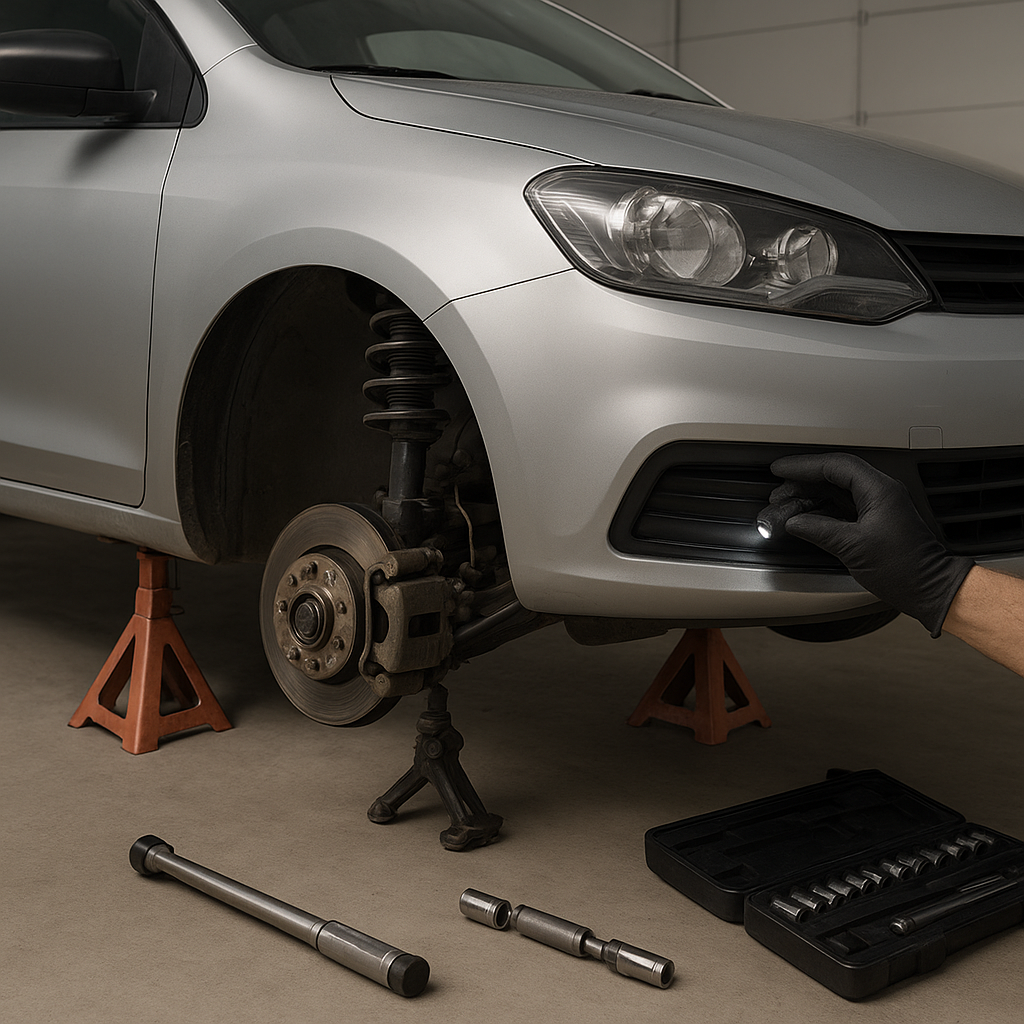
- Use safe lifting points: Support the car with quality jack stands on solid ground. Never rely on a jack alone.
- Respect spring energy: Coil springs store a lot of force. Use the correct spring compressor and follow tool instructions.
- Check clearance: After changes, check tire-to-fender, tire-to-strut, and brake line clearance at full lock and full compression if possible.
- Watch headlight aim: Changing ride height can aim headlights too high or too low.
- Know local rules: Some areas have limits on vehicle height, tire coverage, fender coverage, and suspension modifications. Some inspections fail cars that rub, sit too low, or have unsafe parts.
Final practical advice
Start by making the car healthy before making it lower or stiffer. If you feel bouncing, knocking, pulling, or uneven tire wear, fix the worn parts first. Then make one change at a time so you can feel what helped and what did not.
For a beginner, a smart order is: Inspect and replace worn shocks, mounts, and bushings, then choose tires that match your needs, then adjust handling with mild spring changes or sway bars, and finish with a proper alignment. If you want height adjustment, choose parts that keep enough travel for real roads and set ride height based on clearance and control, not just looks.


