


This post may contain affiliate links. Please read our disclosure and privacy policy for more information.
Window rain guards, also called window visors or deflectors, let you crack the windows a little during rain. They can also cut wind noise when the window is slightly open. The good news: Most sets install with tape and basic hand tools. You can do it at home in under an hour.
Tools and items needed
- Window rain guards made for your exact car (year, make, model, and body style)
- Alcohol wipes or isopropyl alcohol (70% or higher) and a clean microfiber towel
- Car wash soap and water (optional, but helpful)
- Painter’s tape or masking tape
- Plastic trim tool or an old gift card (for gentle pressing)
- Scissors (only if your kit includes extra tape strips)
- Latex or nitrile gloves (optional, keeps oils off the adhesive)
Safety or legal notes
Rain guards are usually legal, but rules can vary by area. If your guards stick out too far or block your view at the A-pillar, they can be a problem. Install them straight and keep them tight to the window frame.
Adhesive needs good conditions. Do the install in dry weather, out of direct wind and dust. Best temperature is around 60°F to 85°F. If it is cold, warm the car and the guards in a garage first.
If your kit is the in-channel style (clips inside the window channel), be gentle. Some cars have auto-up windows with pinch protection. A bad fit can make the window bounce back down.
Numbered installation steps
1. Confirm the parts before you peel anything
Lay all four guards on a clean surface. Match them to each door. Most are labeled front left, front right, and so on. The front pieces are usually longer and more curved.
Hold each guard up to the car without removing the backing. Check that the shape follows the upper window frame. If something looks off, stop and re-check the part number.
2. Wash the area (quickly) and dry it fully
You do not need a full wash, but the top window frame should be clean. Dirt and wax ruin tape grip.
Wash the door top area with soap and water, then dry it. If you do not have time, at least wipe away visible dust first. If your car is already clean, stick with a careful wipe.
3. Degrease the mounting surface
Use alcohol wipes or alcohol on a microfiber towel. Wipe the exact area where the tape will touch. This is usually the painted door frame above the window, not the glass.
Do not touch that area with your fingers after cleaning. Skin oils can weaken the bond.
4. Do a full test fit and mark the position
Hold the guard in place and step back. Look from the front and side to see if it sits level.
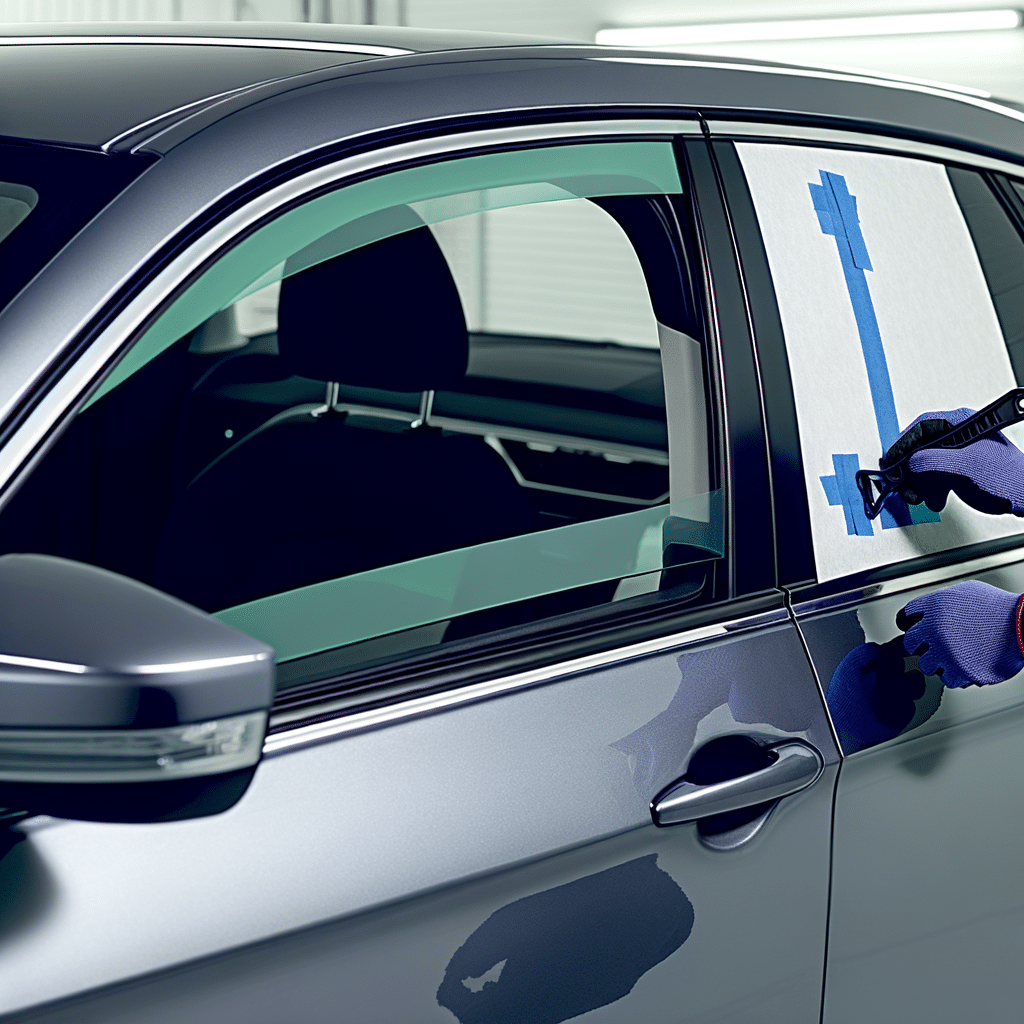
When it looks right, place small bits of painter’s tape as reference marks at the ends. This makes the final install less stressful.
5. Prep the adhesive backing the right way
Most stick-on rain guards use pre-applied double-sided tape. Do not remove all the backing at once.
- Peel one to two inches of backing at each end.
- Fold those ends outward so you can grab them later.
This lets you position the guard first, then pull the backing while it is already aligned.
6. Set the guard in place, then pull the backing slowly
Line up the guard using your painter’s tape marks. Lightly press it to hold position. Now pull the backing strips out, one section at a time, while you press the guard into the frame.
Work from one end to the other. Keep steady pressure and do not let the guard “snap” into place. Slow is better here.
7. Apply firm pressure along the full length
Once the backing is out, press along the tape line for at least 30 to 60 seconds per door. Use your thumb, a trim tool, or an old card wrapped in a microfiber towel. Focus on the ends and any curves.
This step matters more than people think. Tape bonds best with pressure.
8. Repeat for the other doors
Do one door at a time. Clean, test fit, stick, and press. Do not rush just because the first one went well.
9. Let the adhesive cure
Most tape needs time to bond. Avoid washing the car for 24 to 48 hours. Try not to drive at highway speed right away if the weather is cold or wet.
If you need to clean your windows during curing, keep it gentle. For simple habits that help your car stay clean without overdoing it, follow daily car cleaning basics.
10. Final check: Look for gaps and listen for wind noise
After a short drive, check the edges. If you see a small corner lifting, press it again. If it keeps lifting, the surface was likely oily or the temperature was too low during install.
Common mistakes
- Skipping the alcohol wipe: Tape can stick to dirt, but it will not stay stuck for long.
- Installing on a cold door: Cold paint and cold tape do not bond well. Warm the area first.
- Peeling all the backing at once: This causes bad alignment and fingerprints on the adhesive.
- Mounting too high or too low: A crooked visor can look odd and may catch more wind.
- Not pressing long enough: Quick light taps are not enough. Use firm, even pressure.
- Car wash too soon: Water and soap can weaken fresh adhesive before it cures.
If you like simple upgrades that improve day-to-day use, rain guards fit well with other practical ideas in a Car upgrade order.
Maintenance tips
Rain guards do not need much care, but a little attention keeps them looking good and staying tight.
- Clean by hand: Use car wash soap and a soft sponge. Avoid harsh cleaners that can haze plastic.
- Be careful with pressure washers: Do not blast the edges up close. Aim the spray away from the guard’s seam.
- Check the ends every few months: If an edge starts to lift, clean the spot and press it back down. Small lifts get worse over time.
Good wipers also matter when you drive in rain. If yours streak or chatter, Replace wiper blades at home and you will notice the difference right away.
Is it worth it?
For most drivers, yes. Rain guards are a simple weekend-friendly install. They help with ventilation in light rain. They can reduce window fog on humid days when you crack the window slightly. Some people also like the cleaner look.
The main downside is adhesive quality and fit. Cheap, universal sets can peel or sit wrong. A vehicle-specific set costs more, but it usually fits better and lasts longer.
If you are building confidence with easy, low-risk upgrades, this is a good one to start with. It pairs well with other small projects from a beginner car mods guide.
Conclusion
Installing window rain guards at home is simple if you take your time with cleaning, test fitting, and pressing the tape. Work one door at a time, install in warm dry conditions, and let the adhesive cure before washing the car. Done right, rain guards stay put and make rainy-day driving more comfortable.


