




This post may contain affiliate links. Please read our disclosure and privacy policy for more information.
Faded black plastic trim can make a clean car look older than it is. Bumpers, mirror caps, cowl panels, and door moldings often turn gray from sun and weather. The good news: You can bring most of that color back at home with simple tools and patience.
This guide focuses on safe, beginner-friendly trim restoration for exterior plastic parts. It is not paint. It is a clean-and-restore job that can look great when done right.
Tools and items needed
- Car wash soap and water
- Microfiber towels (at least 4)
- Soft detailing brush or old toothbrush
- Isopropyl alcohol (IPA) 50% to 70% or a wax and grease remover
- Painter’s tape (blue or green)
- Nitrile gloves
- Trim restorer (water-based gel or coating-style product)
- Foam or microfiber applicator pads
- Optional: Plastic razor blade for stuck-on wax
- Optional: Heat gun or hair dryer (only for the heat method)
If you like DIY refresh projects, Restore car dashboard at home is another good weekend job that uses similar cleaning habits.
Safety or legal notes
- Work in a shaded spot. Hot plastic makes products flash-dry and streak.
- Wear gloves. Most restorers are safe, but they can irritate skin.
- Use good airflow if you use alcohol or solvent cleaners.
- Do not use a heat gun near fuel vapors, oily rags, or dry leaves.
- Keep products off brake rotors, pedals, steering wheels, and tire tread.
Numbered installation steps
1) Wash the trim like you mean it
Start with a normal wash. Use car shampoo, not dish soap. Rinse well. Dry the trim and the nearby paint.
Then scrub the trim again using a brush and soapy water. Pay attention to texture and edges. Dirt in the grain will ruin the final look.
2) Remove old wax and oily residue
This step is where most “my trim restorer failed” stories begin. Many trims look faded because they are coated with wax, polish, or road film. Restorer cannot bond to that.
Wipe the plastic with isopropyl alcohol on a clean microfiber. Use light pressure. Swap towels as they get dirty. If you see white chalky residue coming off, keep going.
If there is heavy wax stuck in the texture, lightly use a plastic razor blade or a soft brush with alcohol. Do not scrape paint.
3) Mask the paint and glass around the trim
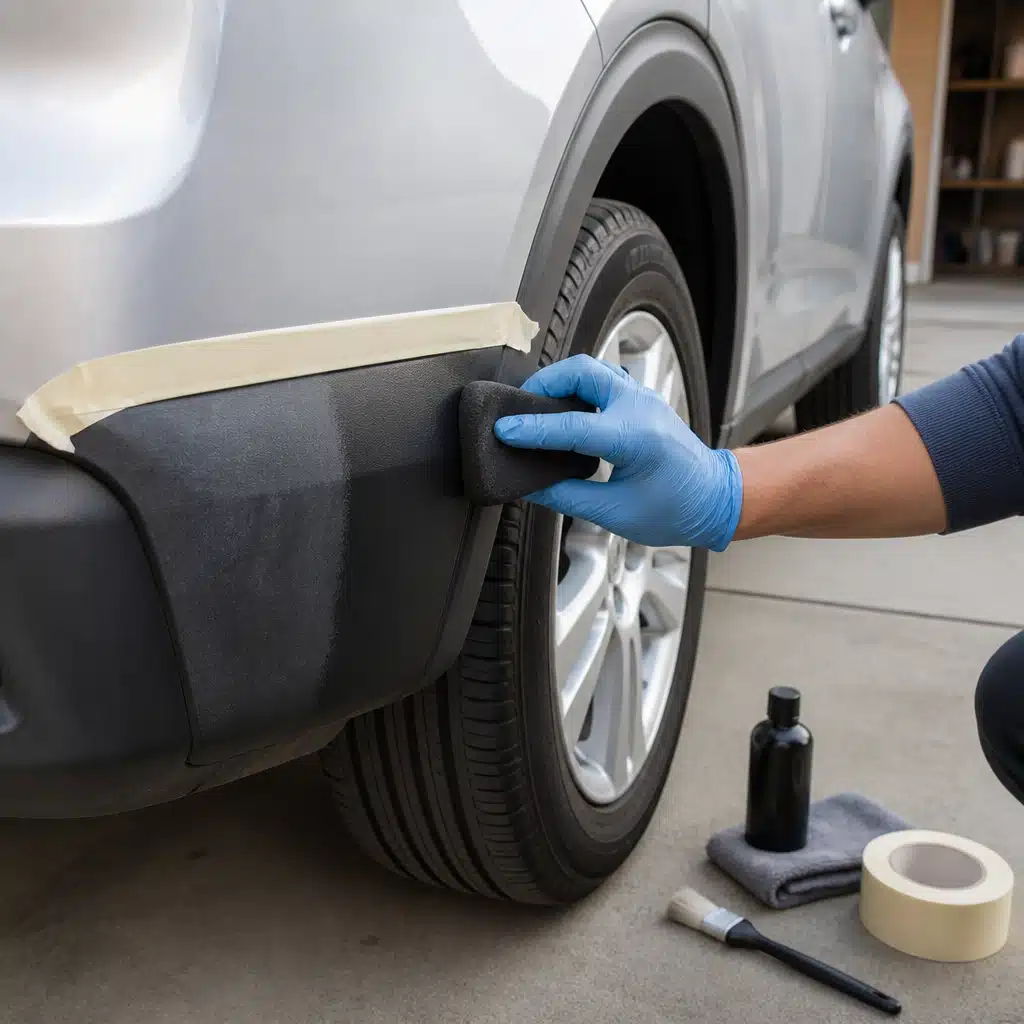
Use painter’s tape along the edges where trim meets paint. This keeps product off clear coat and makes your work cleaner.
Also tape near rubber seals if the product you picked is known to stain them. Many trims are close to weatherstripping.
4) Decide your method: Restorer or heat
For most people, a trim restorer is the best option. It lasts longer than heat alone and looks more even.
- Trim restorer method: Best for long-lasting results and a darker, more natural finish.
- Heat method: Can darken plastic fast, but it is easier to damage trim if you overheat it.
If you are restoring other areas of the car lately, you may like seeing DIY vs pro customization costs to compare what these small fixes save you over time.
5) Apply trim restorer (main method)
Put a small amount of product on your applicator pad. Start with less than you think. You can always add more.
- Work one small section at a time. Think: Half a mirror cap, or 12 inches of molding.
- Rub it in with slow, overlapping passes.
- Push product into textured grain, not just across the top.
- Wait the time on the label. Many gels need 1 to 5 minutes before a wipe.
- Buff lightly with a clean microfiber until it looks even.
Most trims look best with two thin coats instead of one thick coat. If the trim still looks patchy, wait 10 to 15 minutes and apply a second light layer.
6) Optional: Use the heat method carefully (only if needed)
This is a separate method, not something you always do after restorer. Heat can bring oils to the surface and darken plastic, but it can also warp trim. If you try it, do it on an older, cheaper piece first.
- Use a heat gun on low or a hair dryer on high.
- Keep the tool moving. Never stop in one spot.
- Stay several inches away from the plastic.
- Watch the color change. The moment it darkens, move on.
After heating, let the trim cool. You can apply a trim protectant later, but do not pile heavy products on hot plastic.
7) Final wipe and tape removal
After the product sets, do a final light wipe with a fresh microfiber. Then remove the tape slowly. Pull it back over itself to avoid lifting wax or leaving glue.
If you got product on paint, wipe it right away with a clean towel and a mild detail spray or alcohol. Do not let it dry on the clear coat.
Common mistakes
- Skipping the alcohol wipe: Dressings will streak if the trim is still oily or waxy.
- Using tire shine on plastic trim: It looks shiny for a day, then it runs, attracts dust, and stains paint.
- Applying too much product: Thick coats stay greasy and can wash off in the first rain.
- Working in direct sun: Product dries too fast and leaves dark blotches.
- Not buffing the excess: Any extra on the surface becomes streaks and drip marks.
- Heating too close: The heat method can turn trim glossy, warped, or permanently discolored.
If you are doing multiple DIY jobs, it helps to know what tools people actually keep at home. DIY home garage tools
Maintenance tips
- Wash trim with normal car soap. Avoid strong degreasers unless you are redoing the restoration.
- After washes, dry the trim. Water spots can make restored plastic look uneven.
- Use a mild plastic protectant every few weeks if you park outside.
- Avoid automatic car washes with harsh chemicals if your restoration is fresh.
- If the trim looks slightly dull after a month, one light refresher coat is usually enough.
Also keep an eye on small issues that can trigger warning lights after you clean or detail, like a Loose gas cap issue
Is it worth it?
Yes, if the plastic is only faded and not peeling or cracked. Restoring trim is one of the fastest ways to make an older car look cared for. It also helps resale photos, because gray trim stands out in pictures.
It may not be worth it if the trim is badly oxidized, chalky all the way through, or physically damaged. In that case, replacement or paint made for exterior plastics can be the better long-term fix.
Conclusion
Black trim restoration is mostly about prep. Clean the plastic well, strip off old wax, and apply thin coats with a careful wipe-off. Take your time on the first section, then repeat the same steps across the car. With basic supplies and a calm approach, faded plastic can look dark and even again without leaving your driveway.


